Start With the Building Equipment Inventory
Give each contractor the same equipment list. Record the asset identifier, location, manufacturer, model, quantity and available service history. Identify equipment that has not yet been inspected or whose nameplate could not be read.
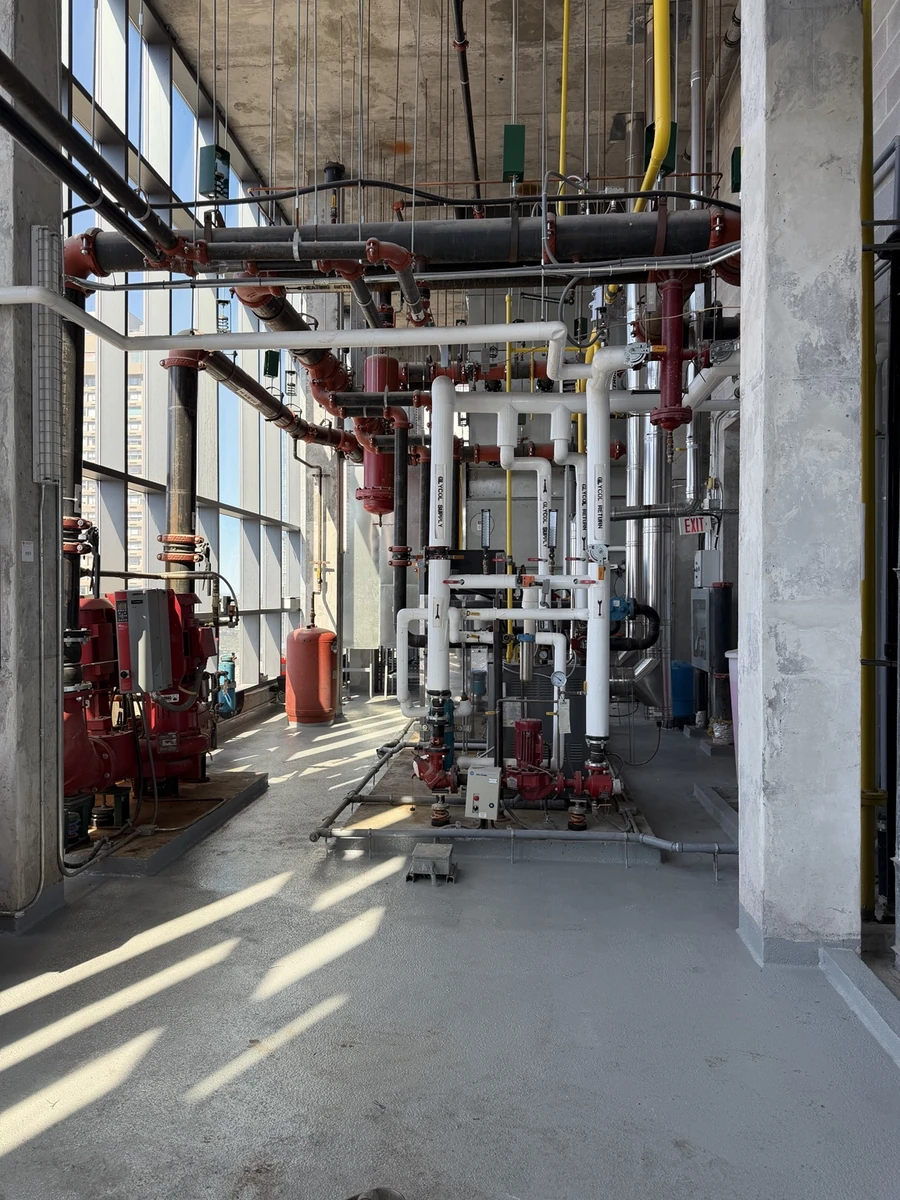
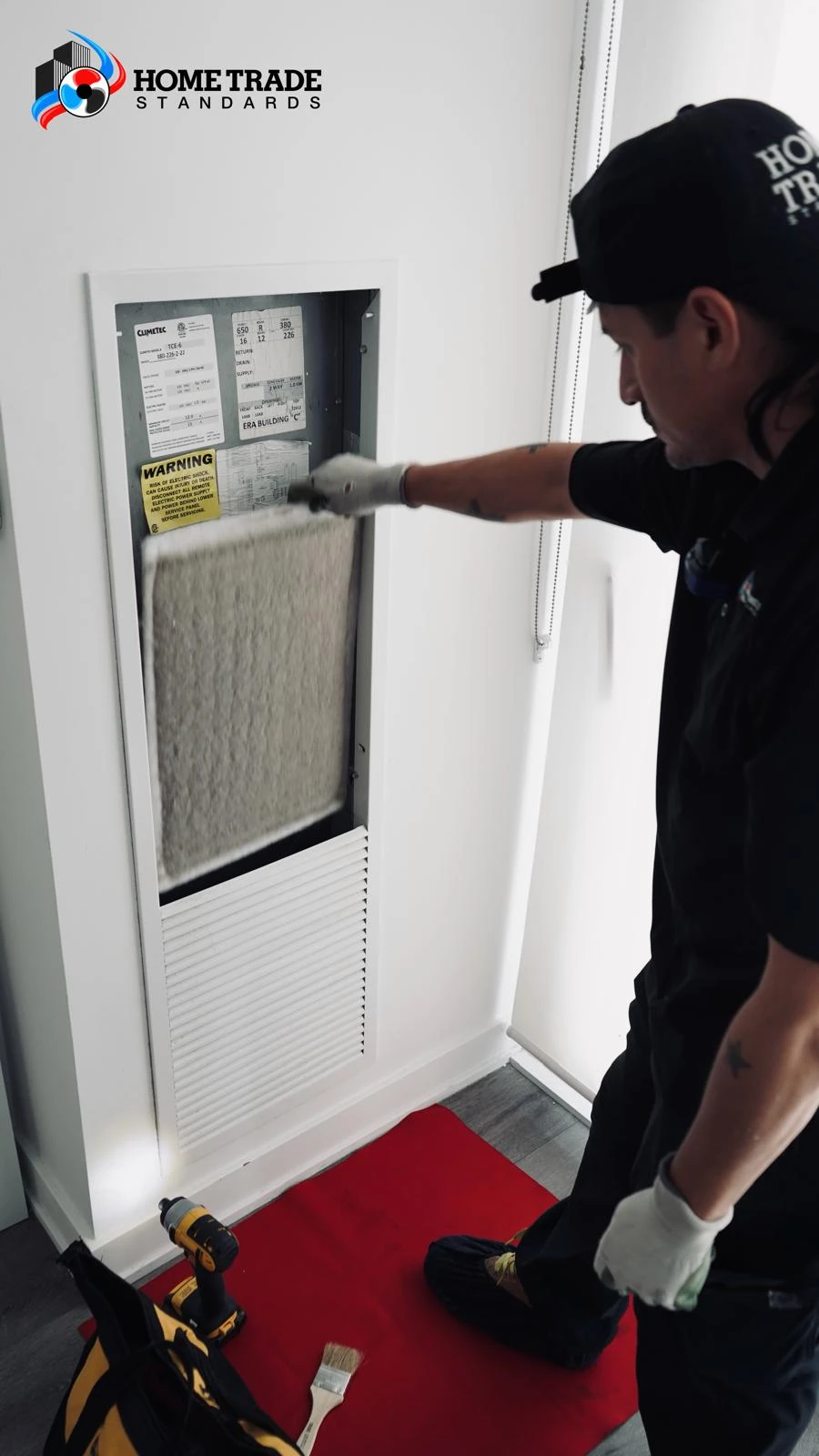
Separate the in-suite program from shared mechanical equipment. Fan coils, water-source heat pumps and ERVs have different maintenance requirements from boilers, circulation pumps, chillers, cooling towers and make-up air units. A contract should state which groups it covers.
What Should a Condo Mechanical Maintenance Contract Cover?
The matrix below is a framework for defining the scope. Final tasks and frequencies should reflect the installed equipment, manufacturer instructions, condition, operating hours and the agreed program.
| Equipment group | Scope to define | Schedule to confirm |
|---|---|---|
| Boilers and heating equipment | Operating checks, manufacturer-required service, controls observations and deficiencies | Routine and seasonal tasks for the installed equipment |
| Circulation, sump and booster pumps | Leaks, alarms, abnormal noise, operation and relevant readings | Tasks and intervals appropriate to each pump system |
| Chillers and cooling towers | Seasonal preparation, operating checks, cleaning and water-treatment coordination | Operating-season checks and planned seasonal work |
| Make-up air equipment | Filters, belts where fitted, fans, dampers, heating and cooling sections | Visit tasks, filter schedule and seasonal checks |
| Water-side components | Accessible strainers, valves, heat exchangers and signs of restriction | Inspection and separately defined cleaning or investigation |
| Controls and sensors | Observed alarms, schedules and suspect readings | Included checks versus separately contracted BAS work |
Define Routine Visits and Seasonal Work
A monthly visit does not mean every maintenance task is completed every month. The schedule should identify routine inspections, seasonal startup and shutdown work, and activities that require specialist attendance or planned equipment downtime.
Filter and belt work should have a defined inspection or replacement schedule suited to the equipment and conditions. Water treatment, coil or heat-exchanger cleaning, and work on refrigeration circuits need equally clear scope boundaries. Do not assume that a general reference to maintenance includes every specialist task.
Separate Included Maintenance From Additional Work
Ask the proposal to identify whether filters, belts, water treatment, repair labour, replacement parts, emergency attendance, controls support and access equipment are included or priced separately. Confirm how additional work is quoted and who can authorize it.
For multi-circuit or staged equipment, the report should identify which stages were checked and any operating limitations. An untested stage should remain an open item for follow-up; it should not be recorded as satisfactory because another stage operated.
What Should Management Receive After Each Visit?
A useful service record identifies the equipment attended, work completed, meaningful readings, defects, photographs where relevant and the next step. It should distinguish completed work from recommended repairs and checks that could not be performed.
Track open deficiencies with a responsible person and a clear status, such as investigation required, awaiting approval, scheduled, or completed with verification. Keep the original finding and closeout evidence together so that a later visit can build on the earlier work.
Connect Suite Complaints With Building Records
Record when and where recurring complaints occur. Similar problems across several suites can help guide an investigation, but they do not by themselves prove that the common system is responsible.
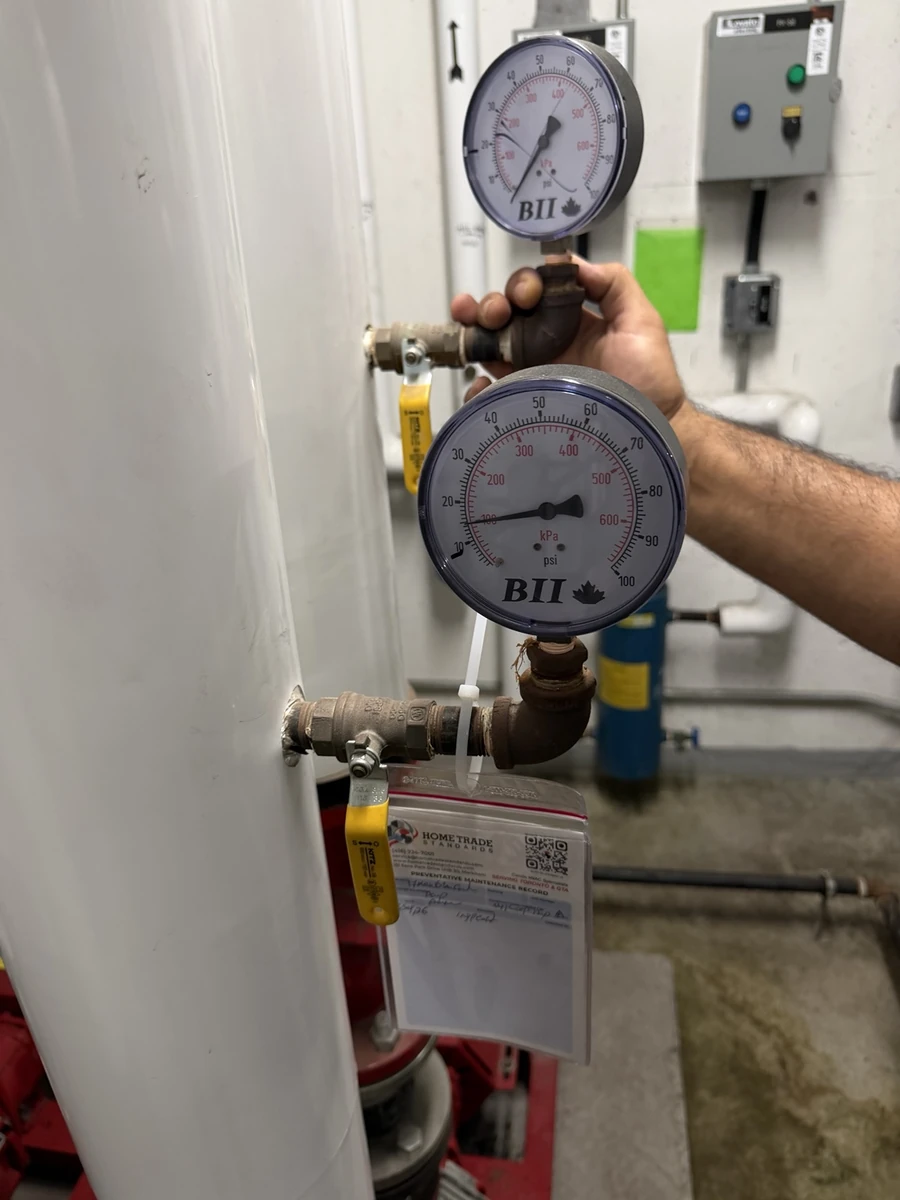
In water-source heat-pump buildings, a useful investigation may need both suite-equipment findings and building-loop records. Local restrictions, equipment faults and common-system conditions should be distinguished before a repair or replacement is recommended.
What Changes the Cost of a Maintenance Agreement?
Equipment quantity and type, service frequency, access, seasonal work, consumables, reporting and specialist services all affect the proposed scope and price. In-suite attendance also depends on resident access and the approach to missed or inaccessible suites.
Compare annual totals only after checking that the equipment, tasks and exclusions are comparable. Ask how additional assets, repeat visits and separately approved repairs are priced. A building-specific proposal is more useful than a single per-suite figure applied to all mechanical equipment.
Frequently Asked Questions
| Question | Answer |
|---|---|
| Are repairs included in a maintenance contract? | Only when the agreement explicitly includes them. Confirm the treatment of labour, parts, specialist attendance and emergency calls. |
| Is monthly maintenance the same as comprehensive maintenance? | No. Frequency describes attendance; the equipment list and task schedule define the work included. |
| Should in-suite and base-building work be priced separately? | Separate scope and subtotals make the program easier to compare, even when both are delivered under one agreement. |
| What happens when more equipment is discovered? | Update the inventory and agree on the additional tasks and price before treating the equipment as covered. |
| What should happen to an unresolved deficiency? | Keep it open with the recommended next step and responsible person until completed work and its verification are recorded. |
Build a Maintenance Program Around Your Property
Send Home Trade Standards your building equipment list, current maintenance scope, preferred service frequency and outstanding concerns. We can use those details to define the next inspection and proposal steps.
Review our boiler and pump maintenance, chiller and cooling-tower services and make-up air services, or request a building maintenance proposal.