Supply & Return Risers
Shared heating or cooling water piping serving fan coils, water-source heat pumps or other connected equipment.
Condo HVAC and plumbing riser service in Toronto and the GTA. Investigate leaks or drainage restrictions and coordinate access, isolation and repair with management.
Hydronic supply and return risers carry water between building equipment and suites. Condensate risers carry drainage from cooling equipment. They have different functions, and a problem in one needs a different investigation and service method from a problem in the other.
HTS supports property managers with riser assessments, valve replacement programs, local HVAC plumbing and condensate drainage work. We review the installed connections, isolation condition and access before confirming the corrective scope.
View the credentials and industry organizations displayed for Home Trade Standards.





Identify the condo risers, valves & drainage equipment and connections included in the assessment, including the shared systems that influence operation.
Shared heating or cooling water piping serving fan coils, water-source heat pumps or other connected equipment.
Valves and associated connections that allow equipment isolation or regulate the installed system.
Drain pans and accessible suite-side piping connecting cooling equipment to the drainage system.
Vertical drainage serving multiple floors, with access and cleaning methods specific to the installed arrangement.
Boilers, chillers or loop equipment establish the system conditions.
Pumps and piping deliver water to connected floors and suites.
Valves and branch piping connect each served unit.
Return piping completes the hydronic circulation path.
Condensate leaves cooling equipment through a different drainage route.
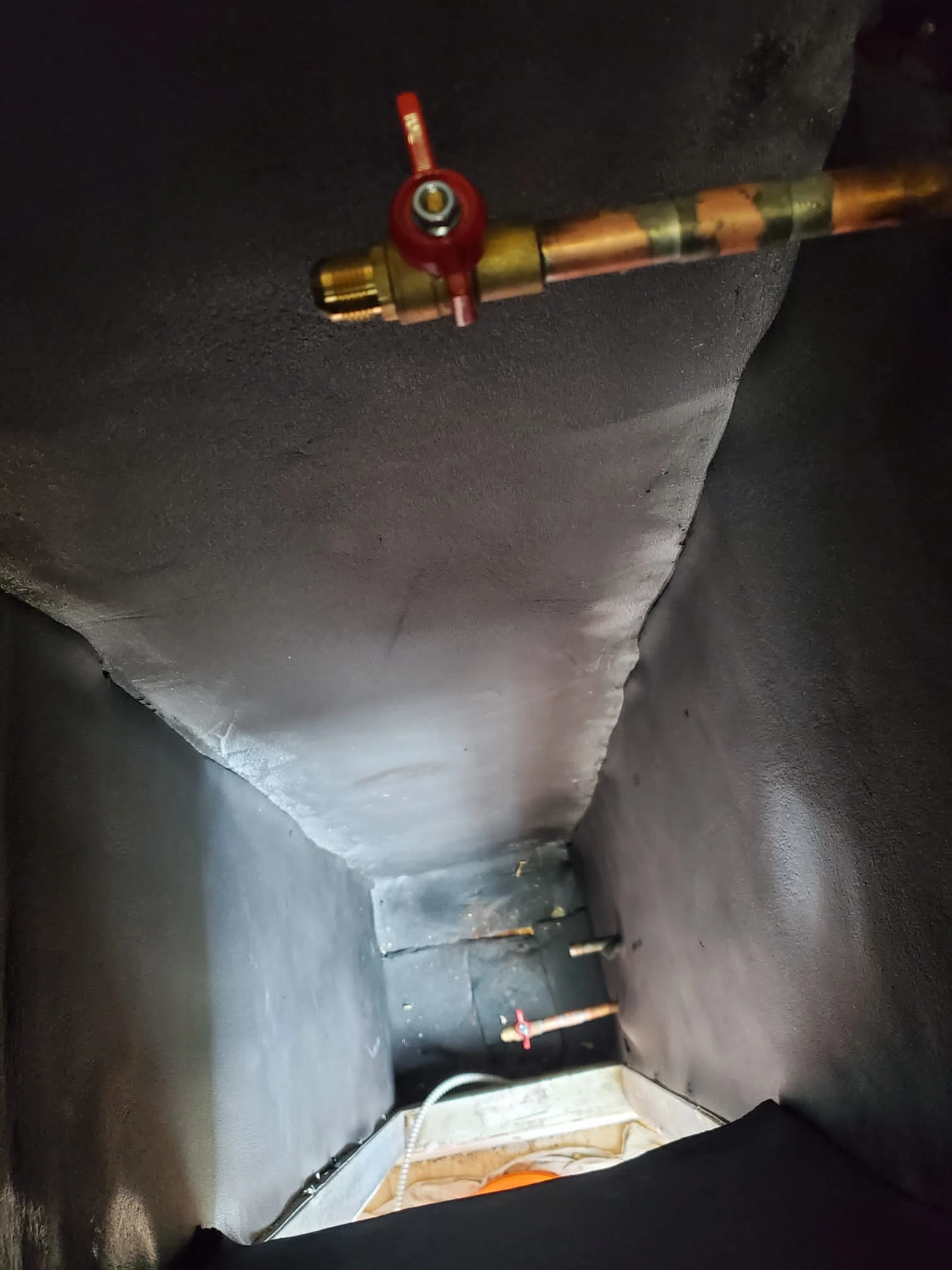
An accessible valve is only one part of the isolation plan. Its condition, the connected pipework and the route back to the shared riser determine how the equipment can be serviced. Hydronic connections and condensate drainage must be assessed separately.
Use the reported symptoms and operating history to guide diagnosis of the condo risers, valves & drainage system before defining a repair.
Identify whether the water comes from the pan, local drain, a pressurized connection or another source.
Review the location, timing and shared drainage path. A clear local drain does not establish that the common stack is clear.
Assess the valve and connection arrangement before planning equipment removal or service that requires isolation.
Review the accessible piping, valves and observed flow conditions. Building-side causes may require investigation beyond the individual unit.
Separate routine care from corrective work when defining the condo risers, valves & drainage service scope and follow-up priorities.
| System Area | Scope To Confirm |
|---|---|
| Initial Investigation | Review leak or flow history, affected floors, available drawings, equipment connections and the observations needed to define the work. |
| Isolation Planning | Confirm which valves isolate the circuit and whether a riser or wider system shutdown is required. Coordinate draining and restoration with the building team. |
| Valve & Connection Work | Define the valve type, accessible pipework, connections and any equipment removal needed for the approved installation. |
| Condensate Stack Cleaning | Review the route and available openings, then specify access points and an appropriate mechanical cleaning or flushing method. Confirm equipment protection and collection of residue. |
| Local Drainage & Protection | Inspect accessible pan and drain conditions and test overflow protection where included. A sensor does not clean a restriction or repair a damaged pan. |
| Restoration & Records | Coordinate refill or drainage checks, operating observations, leak checks and documentation within the approved scope; identify remaining limitations. |
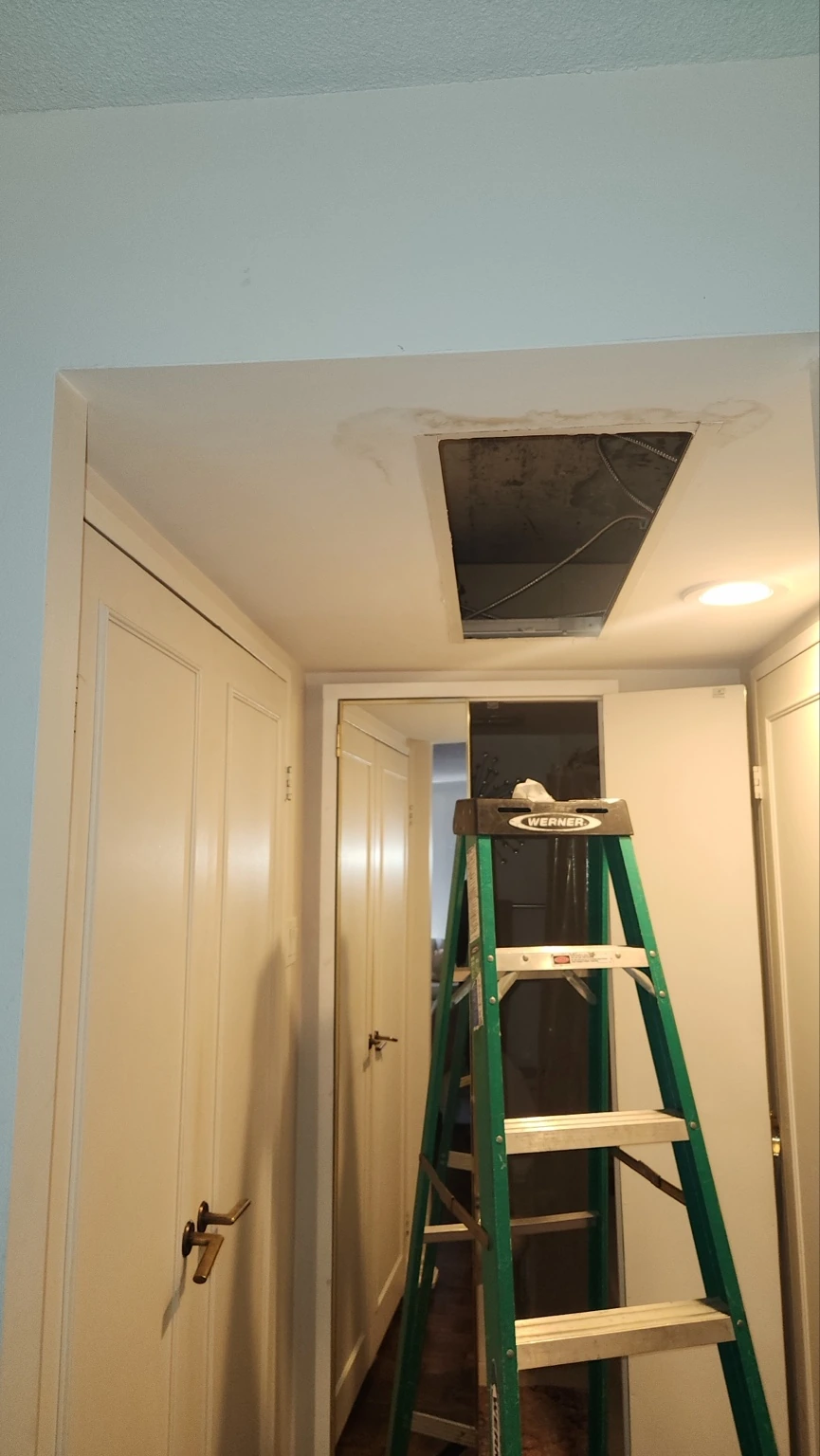
Ceiling access, equipment clearance and resident coordination belong in the scope before work begins. We identify the access required and agree on isolation, protection and restoration responsibilities with the building team.
Review suite access, equipment clearances, ceiling or wall openings and the condition of the valves before work is scheduled. Resident notices should explain the affected service, access window and coordination process.
Draining, refilling and restoring a shared circuit require coordination with the building team. Concealed pipe conditions, common-stack restrictions and inaccessible sections should be distinguished from the local work that can be inspected and completed.
Create a defined scope for repeat valve work across suites or risers, with equipment removal, pipe connections, access and restoration responsibilities identified.
Review pipe condition, route, isolation and access. Coordinate engineering, building approvals, openings and restoration where the project requires them.
Connect recurring leak findings to pan condition, local drains, common-stack maintenance and suitable overflow protection. Keep each proposed measure distinct so its purpose is clear.
Bring the equipment and valve model details, riser drawings where available, prior reports and photographs of the existing installation. The scope follows the actual piping and access conditions.
Industry associations, public programs and resources for the communities we serve.
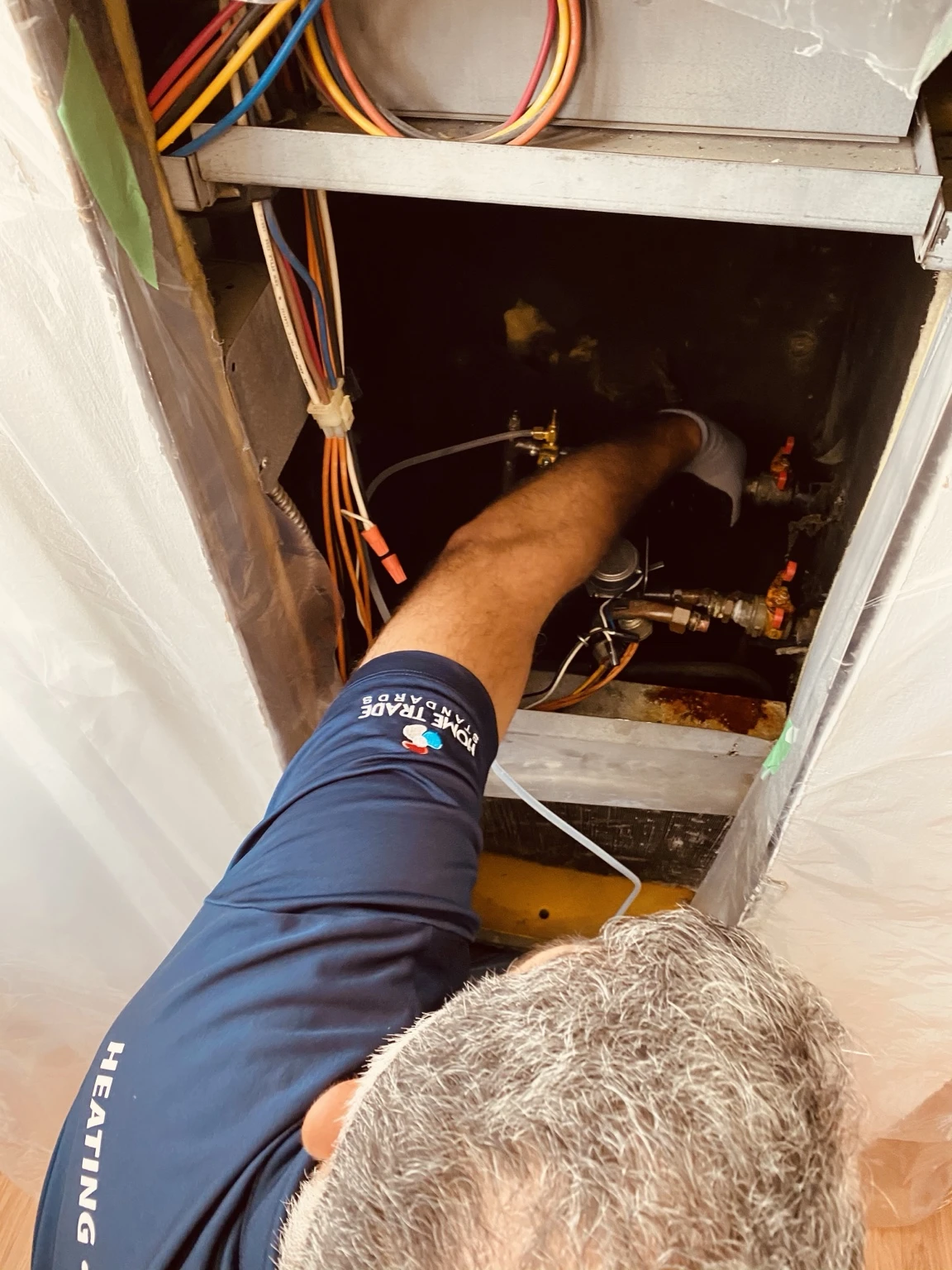
A cabinet inspection helps establish which valves, branches and drain connections are accessible. Those findings inform the next step: local repair, a coordinated isolation-valve program or further investigation of the building riser.
Frequently Asked Questions
Explore the questions below. Select a question to open its full answer, or keep several answers open to compare.
No. Hydronic supply and return risers circulate system water. Condensate stacks carry drainage produced during cooling. Their service methods and isolation requirements differ.
Not necessarily. A local connection can be clear while a restriction remains farther along the common drainage path. Repeated or multi-suite symptoms can justify a broader investigation.
It depends on the installed isolation arrangement and valve condition. Some work can be isolated locally; other work requires a coordinated riser or system shutdown.
No. The access method depends on the installed drainage route and available openings. The proposal should state the selected approach and any alterations required.
No. Properly selected and functioning protection can respond to rising condensate levels, but it does not repair a damaged pan, clear a drain or prevent leaks from pressurized piping.
Send the affected areas, leak or performance history, available drawings, prior service reports and equipment photos. Include known access limitations and any planned shutdown windows.
No Matching Questions
Try another word or clear the filters to see all answers.
Tell us where the water appears, when it started and whether other suites are affected. Notify property management about an active leak. HTS can assess the accessible equipment and drainage path, with shared-riser work coordinated separately where needed.
Review ageing valves, building shutdowns, specialist freezing considerations and service access in our fan coil isolation-valve planning guide.