Condo heating repair in Toronto and the GTA. Identify the system, check the reported fault and distinguish suite repairs from conditions needing building-level attention.
Heating complaints can involve a thermostat, fan, valve, heat pump or packaged unit. In hydronic buildings, supply-water temperature and circulation also matter. We review the equipment and symptoms to define the next step.
Condo Heating Systems Services
Identify the heating equipment and reported symptoms to distinguish suite repairs from conditions requiring building coordination.
In-Suite Diagnosis
Assess controls, airflow and accessible heating components.
Heat Pump Service
Investigate operating faults and loop-related conditions.
Fan Coil Support
Check local equipment alongside the building’s seasonal heating supply.
Building Coordination
Identify findings that need management or mechanical-room follow-up.
Condo Heating Systems Assessment & Service Planning
For a building-wide loss of heat, management should coordinate investigation of shared systems. For an isolated suite issue, provide the unit number, model if known, thermostat settings and when the problem began. These details help the service team prepare.
Request Condo Heating Systems Service
Contact Home Trade Standards with your building address, suite number if applicable, equipment model and a description of the issue. Photos of the nameplate and installation help us prepare. We’ll confirm the assessment and explain the proposed scope before approved work proceeds.
Your Equipment. Explained.
Condo Heating Systems Technical Service Details
Use the details below to review the equipment, diagnostic checks, access needs and work to include in your service request.
On This Page 6 Topics
Condo Heating Systems In Apartment & High Rise In Toronto & GTA
Heating service begins with identifying the suite equipment and the building systems it depends on, followed by investigation of the reported fault.
HVAC Systems Low Rise Apartments & High Rise Condo Buildings
Home Trade Standards is a Heating, Air Conditioning & Ventilation Service Provider for all major Condo Heating Systems in Toronto & GTA. Our specialists are certified to work on any heating system found in condo units in Toronto!
If you are looking for repair, replacement, or maintenance services for your condo heating unit, you have come to the right place!
Our Services Are Used by Condo Boards, Property Managers, Superintendents, Landlords & Tenants. Our HVAC Experts Provide The Following HVAC Services in High Rise & Low Rise Buildings:
Emergency HVAC Repair
HVAC Replacement & Installation
Annual HVAC Maintenance
HVAC Retrofit & Remediation Services
The 6 Most Common HVAC Systems In Condos
If you live in a low rise or high rise condo in Toronto & GTA, you may be using one of the following Heating or Air Conditioning Systems:
1. Condo Fan Coil Unit
Fan coils use building-supplied hot or chilled water. Two-pipe systems share one supply and return and usually depend on seasonal changeover; four-pipe systems have separate circuits. Cabinet orientation and controls vary. See fan coil service for equipment-specific checks.
Some Fan Coils are designed with 4 pipes. These types of fan coil systems are able to supply heating and cooling all year round because they can bypass cold or hot at any time. Energy consumption is higher for these types of fan coil units.
2. Condo Heat Pump System
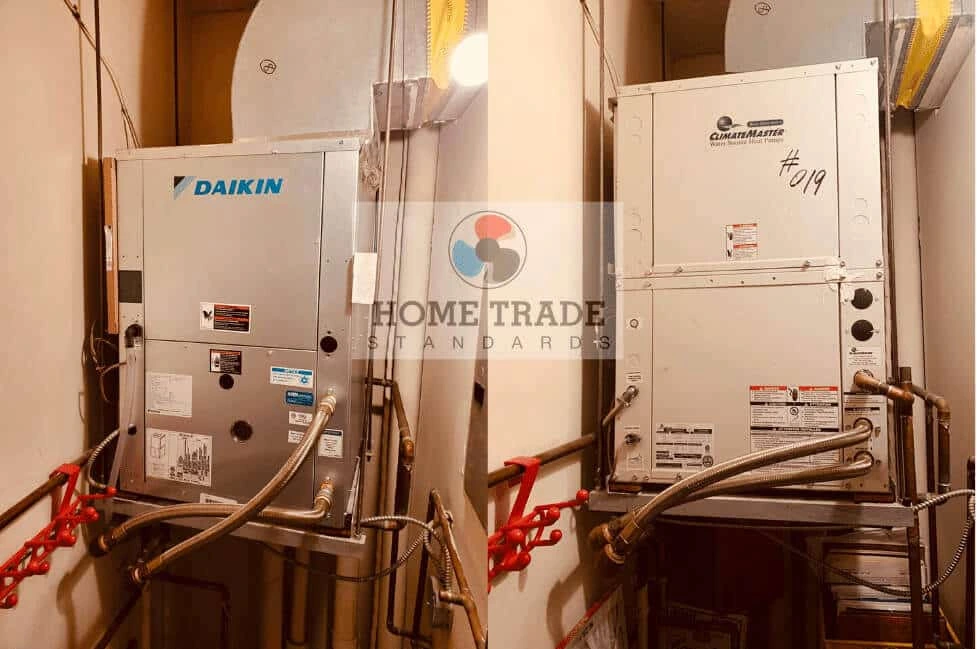
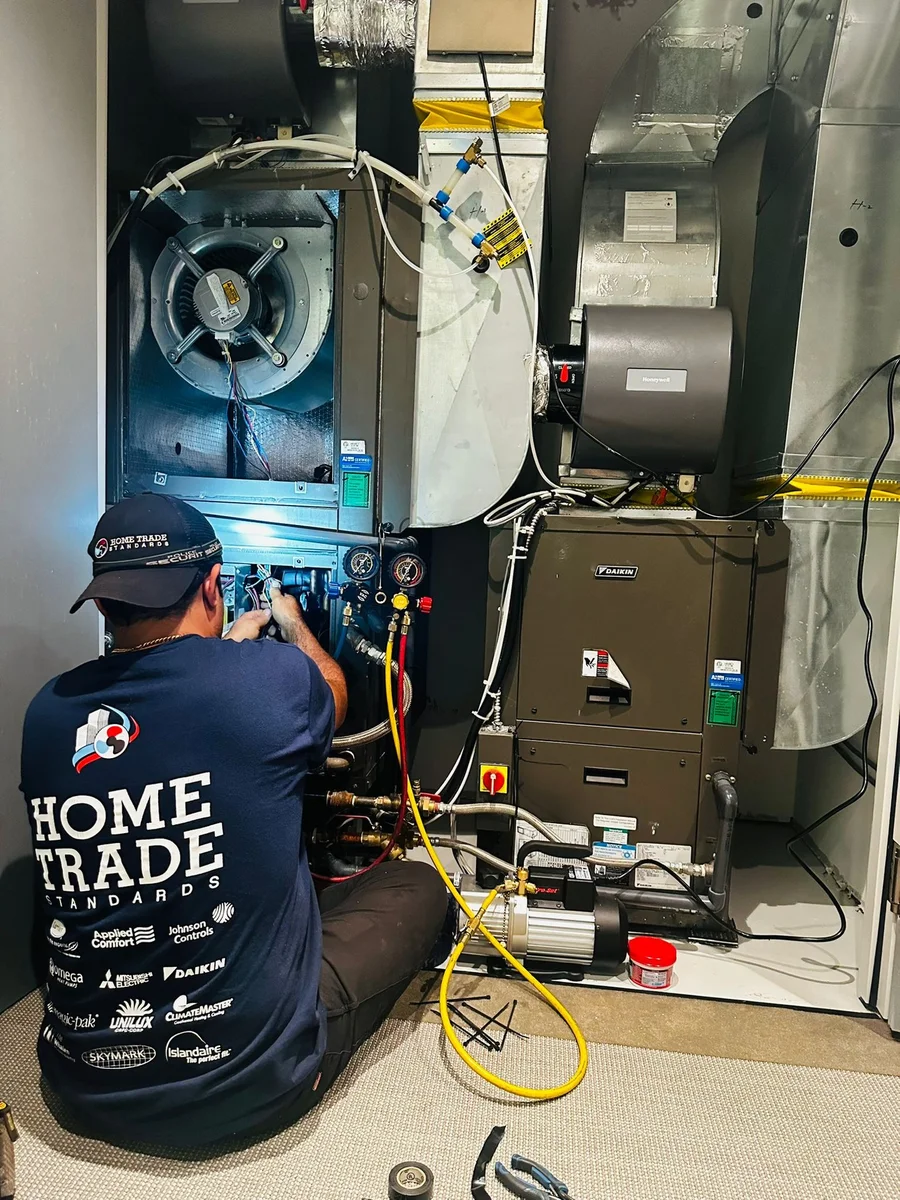
Water-source heat pumps use a refrigerant circuit connected to a shared building loop. They can offer individual heating or cooling when loop conditions and controls permit. Vertical or horizontal construction affects access and replacement fit. See condo heat pump service.
3. Condo Magic Pak
Magic-Pak and similar packaged systems combine heating and cooling in a suite-level installation. Gas and electric configurations have different service requirements. Confirm the model, utilities, venting and building approval before comparing packaged-unit replacement options.
4. Packaged Terminal Air Conditioning Or PTAC
PTAC Units, or Hotel Style Air Conditioning Systems, are also package units that provide heating and air conditioning options all year round. These systems mostly use the auxiliary electric system for heating and heat pumps for air conditioning. In addition, some PTAC units in Toronto Condominium use natural gas for heating. They are independent system from the rest of the building.
5. High-Velocity Air Handler Systems
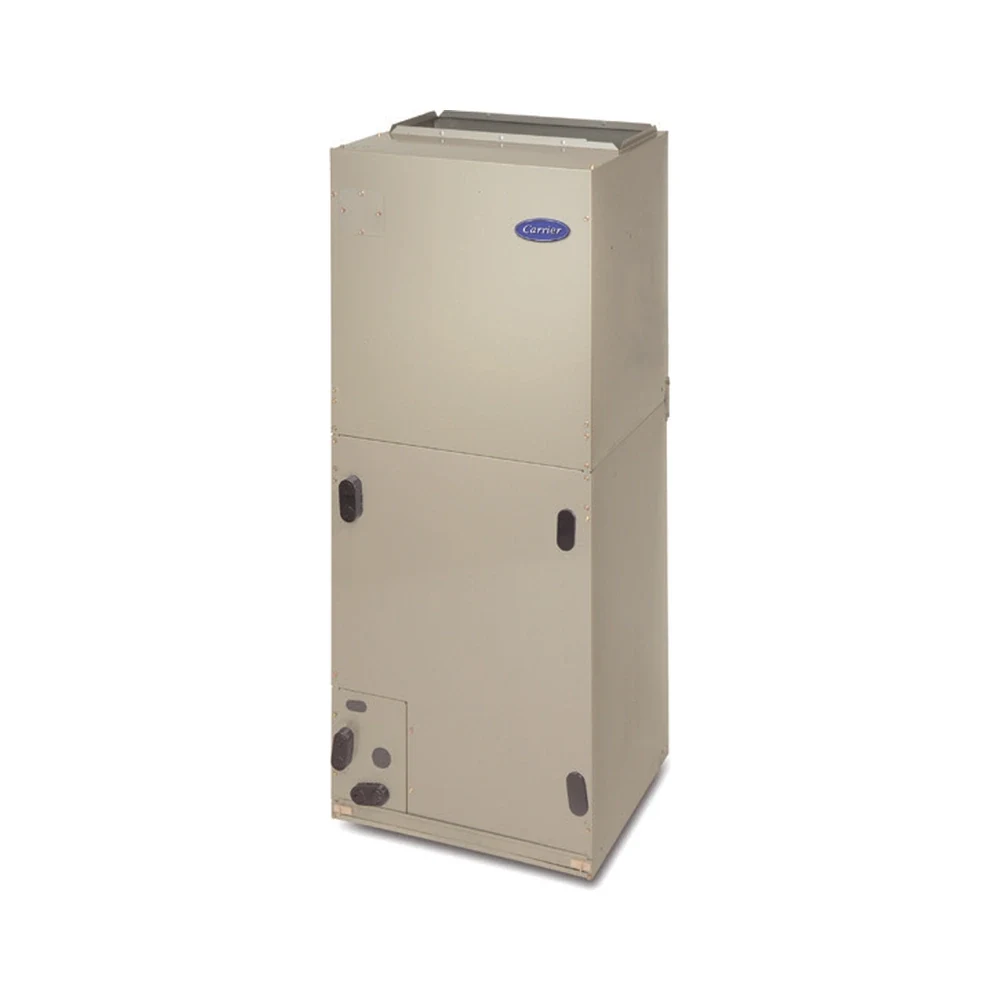
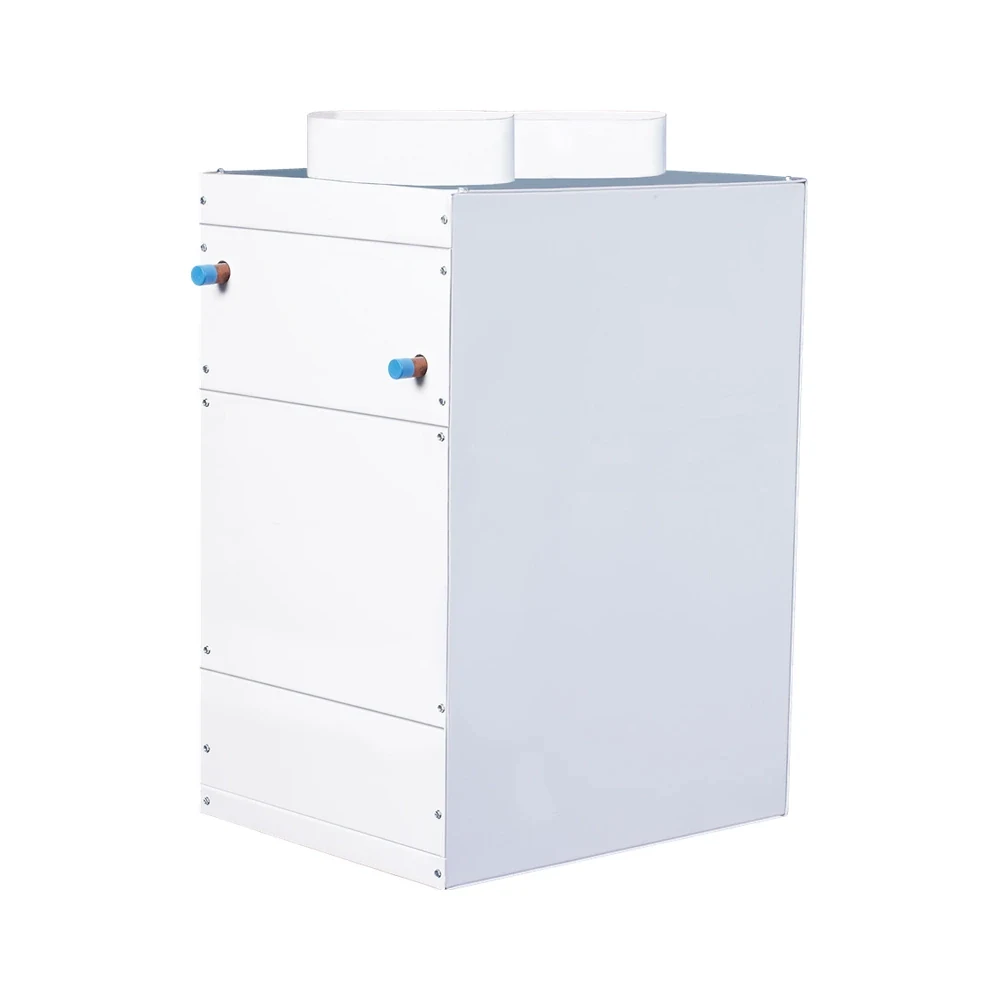
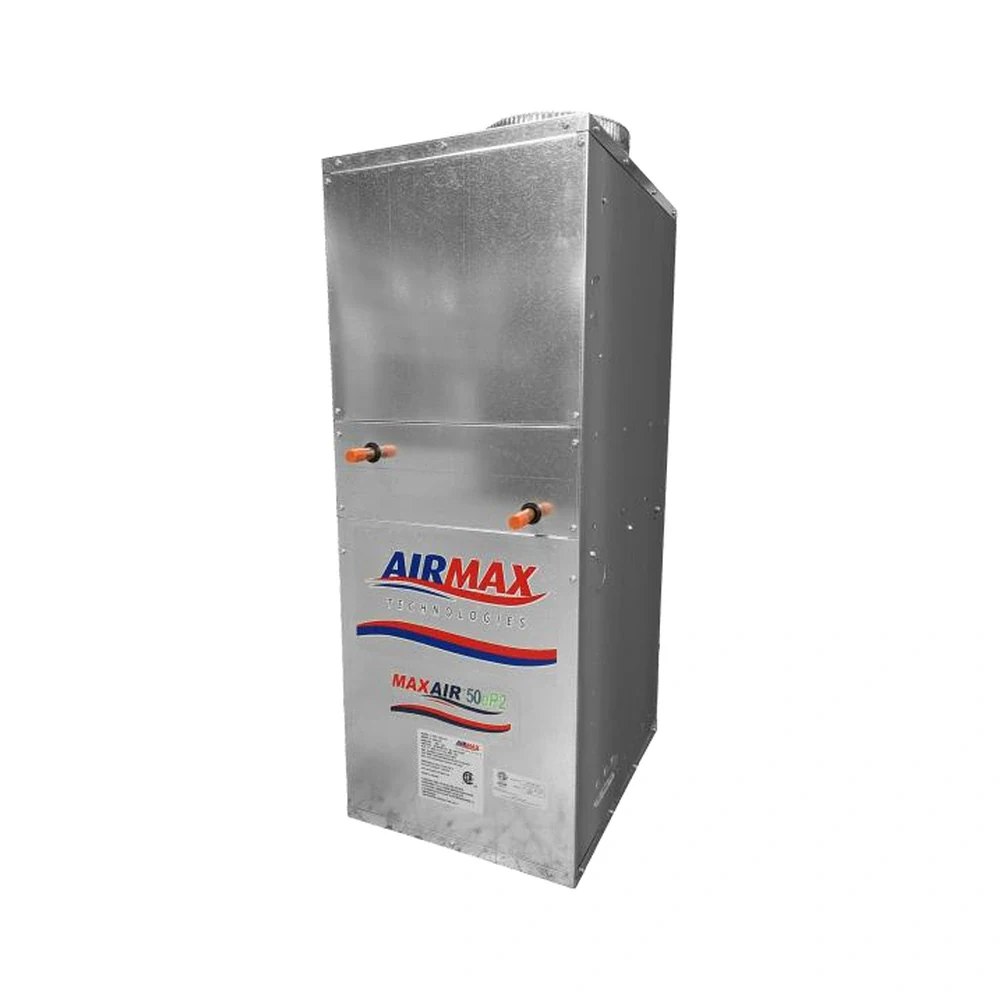
High-Velocity Air Handler Systems consist of two components. The Condenser (Outdoor Unit) is normally located on the balcony or rooftop. The Air Handler (Indoor Unit) is located inside your suite apartment. These systems are primarily installed in newer townhouse residents in Toronto & GTA. The heating part of this unit is supplied by gas hot water heater or a boiler. The cooling part of this system is fueled by electricity and refrigeration.
6. Ductless Heat Pump Heating & Air Conditioner
Ductless Heat Pumps or Air Conditioning Mini-Split Systems Are great HVAC Systems that can be added as a secondary source of heating or air conditioning in high-rise or low-rise buildings with no pre-existing Central HVAC Units. Please note that you do need a balcony to install these systems at your condo.
In-Suite HVAC Systems In Condominiums - Explained
Fan coils, heat pumps and packaged equipment have different operating and service requirements. Match your enquiry to the system installed in your suite.
8 Common Heating & Air Conditioning Problems In Condos & Apartments
To get the best out of your Condo Heating & Air Conditioning System, maintain it regularly. Regular condo HVAC maintenance ensures that your heating and cooling systems last longer and work more efficiently. Some of the most common condo heating and air conditioning problems include:
Condensation, Mold, & Flooding Issues
Lack of Proper Maintenance
HVAC System Not Blowing Hot or Cold Air
Not Reaching the Desired Temperature
Poor Indoor Air Quality
Unusual Rattling Noises
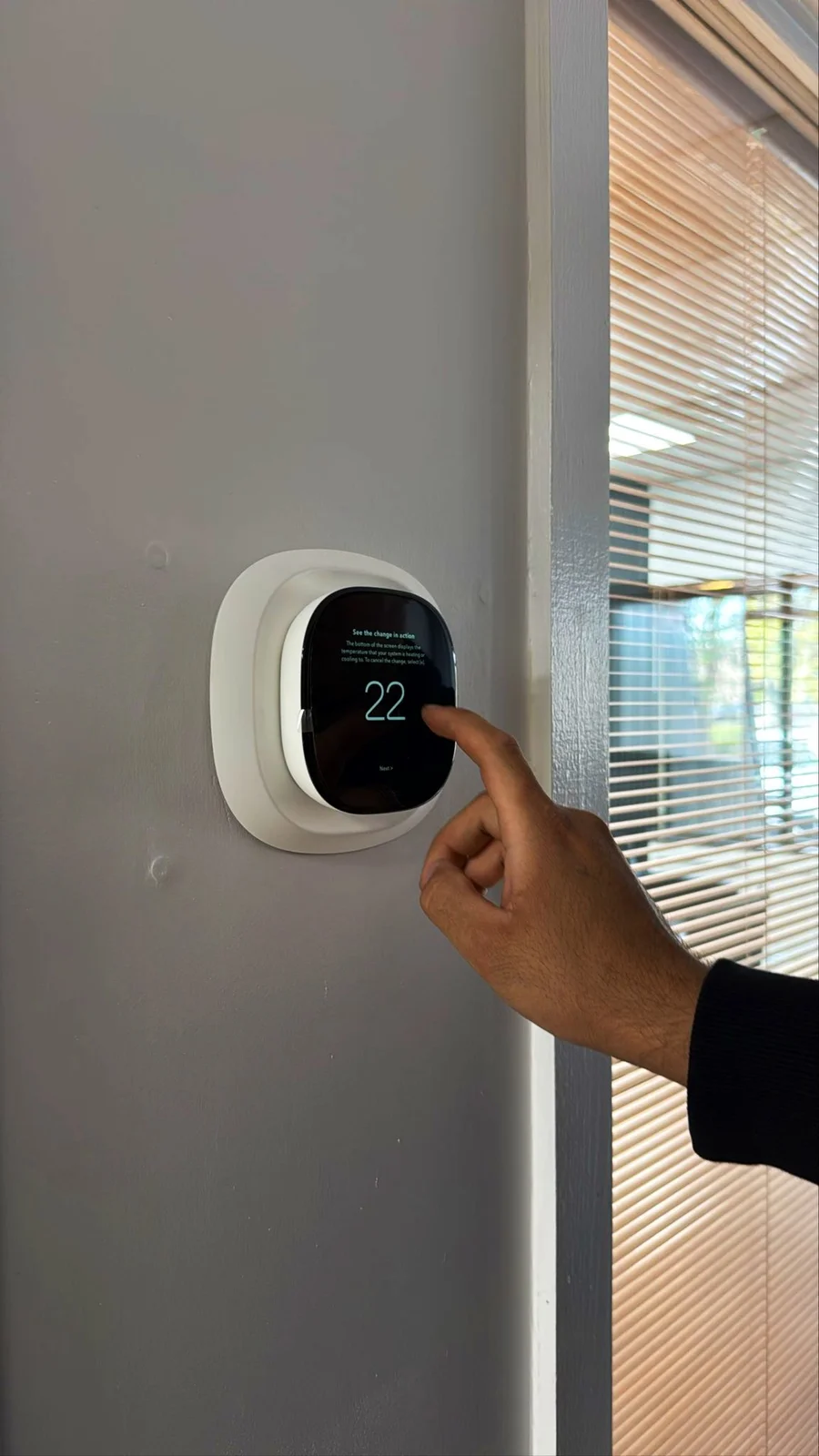
Thermostat Malfunctions
Insufficient Airflow
Frequently Asked Questions
Condo Heating Systems FAQs
Explore the questions below. Select a question to open its full answer, or keep several answers open to compare.
Do You Offer Emergency Heating Support?
Call HTS to discuss urgent heating issues and available dispatch times.
Can The Thermostat Be The Problem?
Yes, but valves, motors, controls and building water conditions can produce similar symptoms.
Do You Service Building Boilers Too?
Yes. HTS also provides boiler and hydronic pump maintenance, repair and retrofit planning.
Who Is Responsible For HVAC Units In Condos?
Confirm HVAC repair and maintenance responsibility in the condominium documents and building service agreement. A suite-level fault, shared-system problem and insurance claim may involve different duties. Ask management to identify the applicable scope before authorizing work.
How Is My Condo Heated?
Your condo can be heated using Natural Gas, Hot Water Heating, or Electricity. Each low-rise & high-rise condominium in Toronto has a unique in-suite HVAC system. The temperature can be individually controlled using your thermostat. In-Suite HVAC systems can work independently or dependent on the central HVAC system & plumbing of the building.
How Come I Can’t Use Heating & Air Conditioning In All Seasons?
This is due to the type of in-suite HVAC system you are using in your condo. Fan Coil Systems are controlled using a central system. The property management decides when to turn on the heating or air conditioning. If you own a heat pump, magic pak, PTAC, or air handling system in a condo, you can use heating & air conditioning in all months and seasons of the year.
When Does My Condo Switch From Air Conditioning To Heating?
Closer to winter months, managements do a fan coil changeover early or mid-October after thanksgiving. Typically, the management will post a notice in the common area to notify the residents.
When Does My Condo Switch From Heating To Air Conditioning?
Most condo managers turn on fan coil air conditioning in early or mid-April or May.
Can I Hire My Own Contractor To Do HVAC Replacement Or Repair In My Condo?
Although most condo building managements work with a preferred building contractor, you can hire any Condo HVAC Specialists of your choice for in-suite HVAC replacement or repair.
How Often Do I Need To Change My Filter In A Condo? Where Do I Buy A New Filter?
We recommend that our clients replace their Condo HVAC filter every 3 months before each season. Most Condos In Toronto keep extra filters at the concierge desk, and you can easily purchase a new filter from the security desk.
Why Is There A Leak From The Higher Floors?
One of the common reasons for water leaks is a clogged drain on the higher floor. All HVAC systems are equipped with a drain pan and condensation line to remove excessive water. Rusty Drain Pans, Lack of proper maintenance, and clogged drain cause drain pans to flood water onto the suites below.
I Live In A Brand New Condo. Is My HVAC System Under Warranty?
Tarion administrates Ontario home builders, to ensure they follow all regulations and new home warranty acts. According to Tarion, your In-suite Condo HVAC System is insured against repairs & mechanical failures up to 2 years after construction. In addition, you can reach out to your property management in writing if you need help with your Condo Heating & Air Conditioning.
Do I Need Approval From My Property Management Or Condo Board Before I Upgrade My Condo HVAC System?
Heating & Air Conditioning Systems are not common elements in condominium apartments. If you decide to replace or retrofit the existing HVAC system in your condo, you can work with the condo HVAC company of your choice as long as they are licensed & insured.
How Long Do HVAC Systems Last In A Condo?
Depending on the system you are currently using, here is the average lifespan of common HVAC unit in a condo
Fan Coil Systems: 20 to 25 Years
Condo Heat Pumps: 10 to 15 Years
PTAC Units: 10 to 15 Years
Condo Magic Pak or Condo Pack: 15 to 20 Years
Air Handlers Units: 10 to 15 Years
If You’re Experiencing Heating & Air Conditioning Issues In Your Condo, Simply Call Home Trade Standards At (416 736-7001). Our Licensed Condo Heating Systems and HVAC Experts Will Be Happy To Serve Your Needs.
Home Trade Standards offers professional HVAC repair, retrofit, and installation services designed specifically for Toronto condos and high-rise buildings. Our TSSA-licensed, factory-trained technicians deliver safe, efficient, and precise workmanship that improves comfort, enhances indoor air quality, and ensures long-term system reliability for every unit.
TSSA-Licensed & Factory-Trained
Same-Day Emergency Service
One-Year Parts & Labour Warranty On Completed Work
Try another word or clear the filters to see all answers.
Home Trade Standards · Condo HVAC Specialists
Need Help With Your HVAC System?
Tell us what is happening, which rooms are affected and what equipment serves the suite. Include thermostat settings, fault indications and any building notices. Our team can arrange the appropriate assessment and explain the next step for heating, cooling or airflow concerns.
Small-duct high-velocity air handler systems for compatible ducted heating and cooling installations. Identify the existing air handler and connected heating or cooling equipment before planning an upgrade.