Heating Boilers
Condensing, fire-tube, water-tube and atmospheric cast-iron equipment; single boilers and modular or cascade arrangements.
Condo boiler and pump maintenance, repair and retrofit in Toronto and the GTA. Plan work using equipment condition, operating checks and building shutdown requirements.
A boiler plant depends on more than the burner. Heat exchangers, pumps, valves, expansion equipment, water quality and controls work together to deliver heating or domestic hot water. A failure at one point can affect comfort across several floors.
HTS works with property managers, operators and engineers to review the equipment, operating concerns and service history. We distinguish the maintenance visit from corrective repairs, controls changes and larger mechanical-room projects.
Frequently Asked Questions
Explore the questions below. Select a question to open its full answer, or keep several answers open to compare.
Set the schedule around the manufacturer’s instructions, operating duty and site requirements. Recurring visits and annual or seasonal tasks serve different purposes and should be defined in the maintenance agreement.
They use different combustion and heat-exchanger arrangements. Condensing equipment is designed to recover additional heat from flue gases under suitable operating conditions. Service procedures, venting and condensate requirements depend on the model.
Only when the pump scope is included in the agreement. Identify each pump and the inspection, operating checks or maintenance tasks required.
It separates boiler circulation from distribution circulation using connected circuits arranged to limit their hydraulic interaction. The installed piping and controls must be reviewed before changing pumps or operating settings.
Consider equipment condition, repeat failures, parts availability, operating requirements and the full installation scope. A condition assessment can support repair priorities and longer-term capital planning.
Call HTS with the site address, equipment information and reported fault to confirm availability and the appropriate response. Let property management know which areas are affected.
No Matching Questions
Try another word or clear the filters to see all answers.
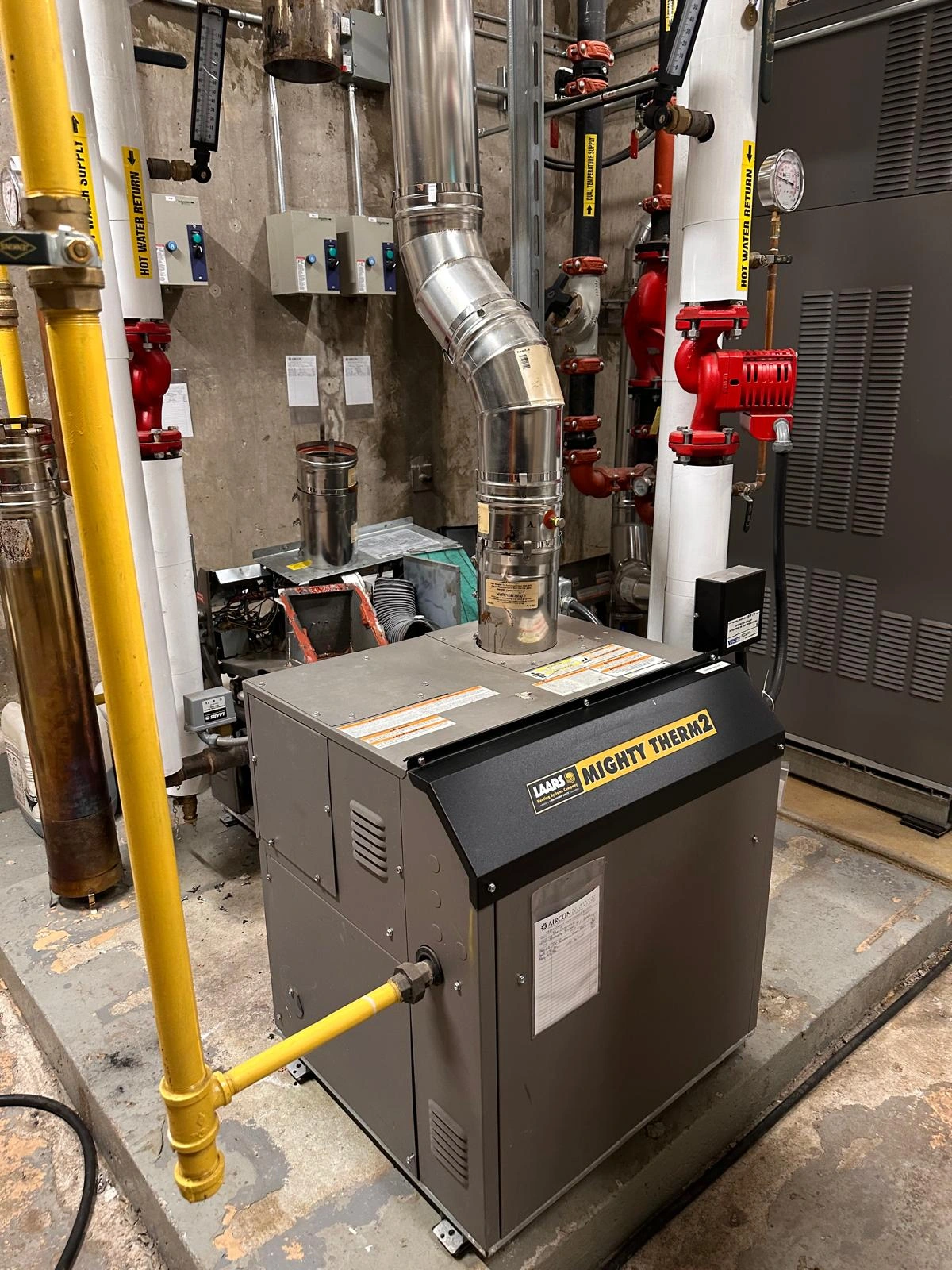
Share the boiler and pump inventory, operating concerns and recent service records. We help define inspection, maintenance and repair requirements for the heating or domestic hot-water plant. Management can coordinate access, shutdowns, approved corrective work and engineering requirements around the occupied building.
A Look Inside Our Work
A closer look at mechanical-room equipment and pipework.
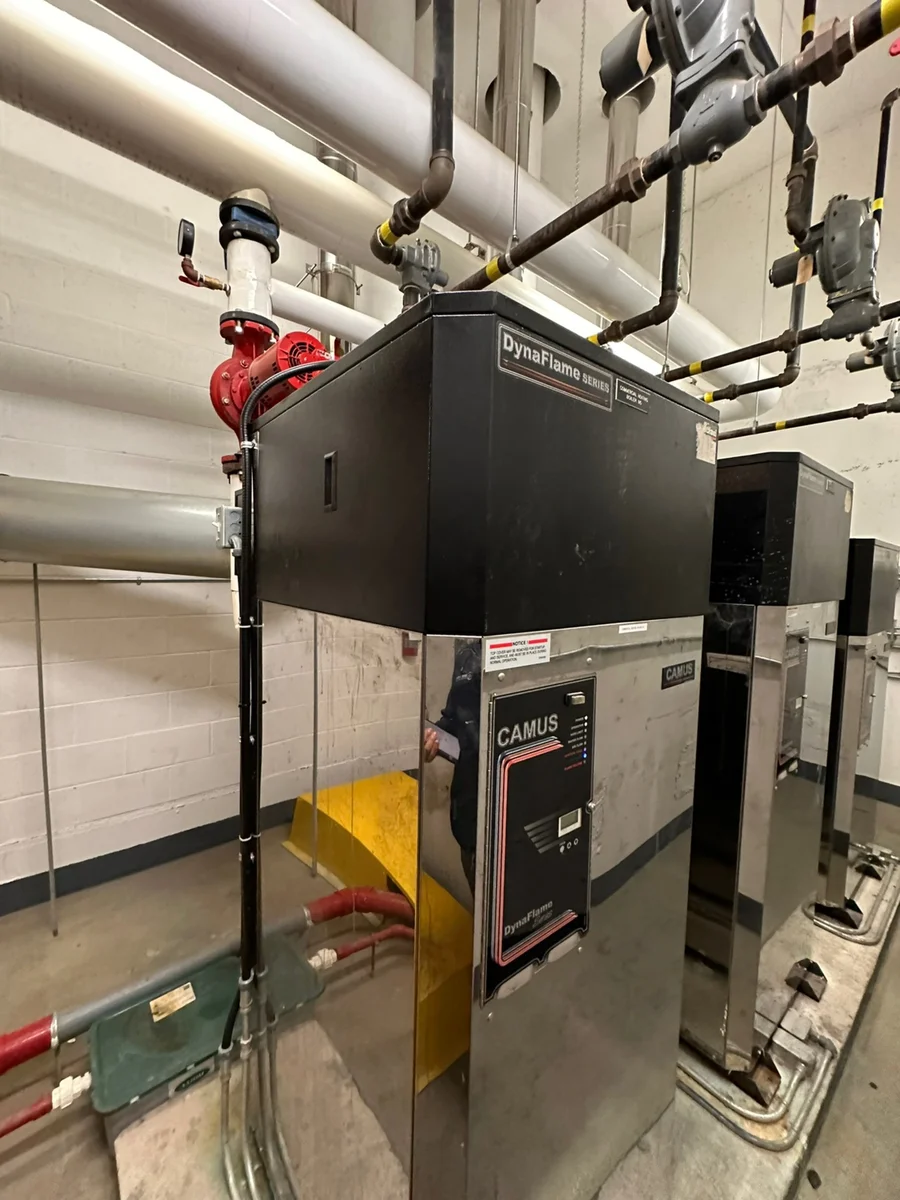
Boiler equipment and connected pipework.
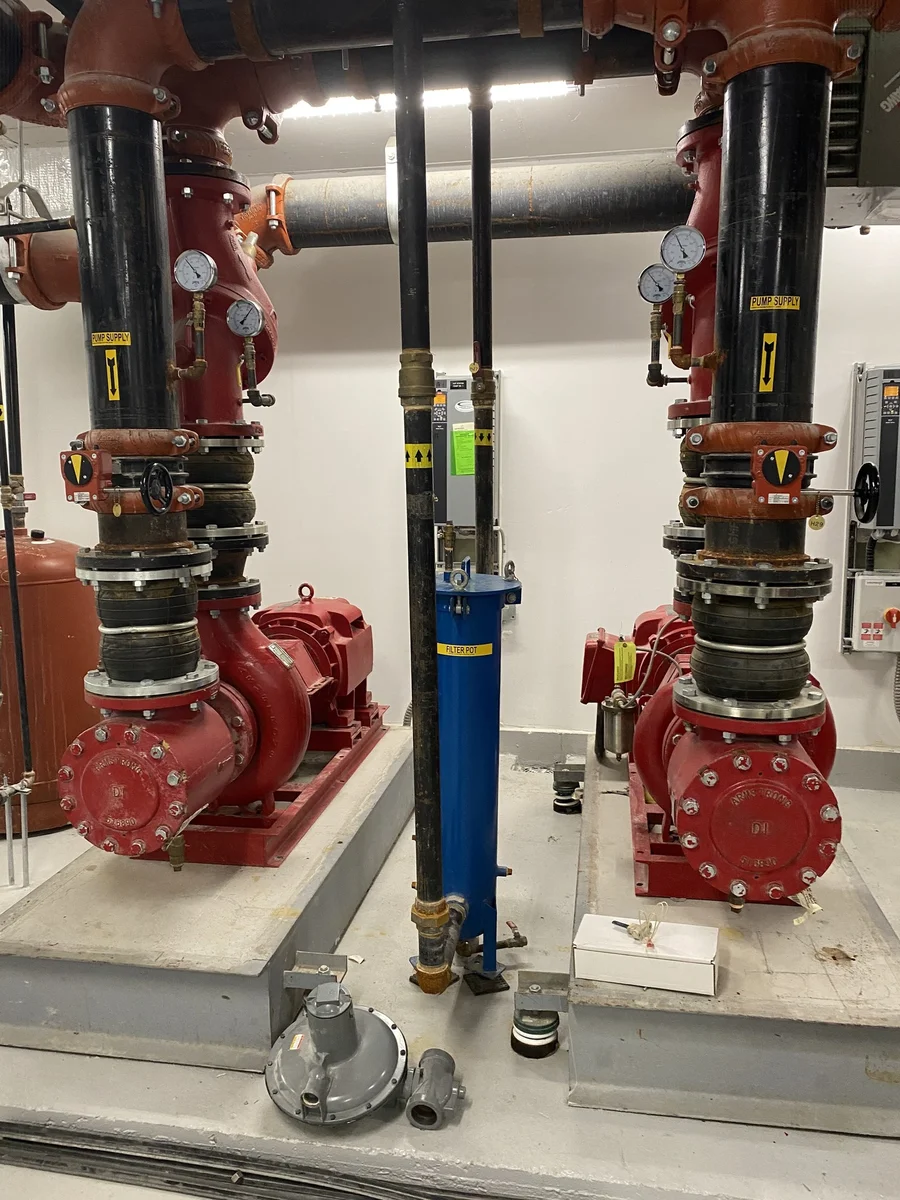
Inline pumps and their connected pipework.
View the credentials and industry organizations displayed for Home Trade Standards.





Identify the boiler & hydronic pump equipment and connections included in the assessment, including the shared systems that influence operation.
Condensing, fire-tube, water-tube and atmospheric cast-iron equipment; single boilers and modular or cascade arrangements.
Boilers, storage tanks, mixing controls and recirculation equipment serving domestic hot water.
In-line, base-mounted, end-suction and other installed pump arrangements, including motors, seals, couplings and controls.
Identify the exact equipment and application before defining the specialist service, parts or engineering scope.
The boiler transfers heat to the water.
Pumps move water through the intended circuits.
Supply piping carries heat to the served equipment.
Fan coils, radiators or other terminals transfer heat to occupied spaces.
Return water and controls complete the operating cycle.
Use the reported symptoms and operating history to guide diagnosis of the boiler & hydronic pump system before defining a repair.
Review supply and return temperatures, pump operation, controls, valves and the affected distribution zones.
Review fault history, firing sequence, operating conditions and the relationship between plant capacity and demand.
Inspect the accessible pump, mechanical seal, motor, coupling and supports; investigate the cause before selecting a replacement.
Review the pressure history and accessible system components. Identify whether expansion equipment, leakage or another condition needs separate investigation.
Separate routine care from corrective work when defining the boiler & hydronic pump service scope and follow-up priorities.
| System Area | Scope To Confirm |
|---|---|
| Boiler & Burner | Manufacturer-directed inspection and cleaning, operating observations, combustion assessment where applicable, and relevant control and safety checks. |
| Heat Exchanger & Venting | Review accessible exchanger surfaces, fouling, leakage indicators, condensate disposal and the installed venting arrangement. |
| Pumps & Drives | Assess seals, bearings, couplings, alignment, vibration and motor operation within the agreed scope. Confirm replacement duty and connections. |
| Controls & Sequencing | Review lead-lag operation, temperature response, sensors, actuators and pump control. Identify any separate BAS or controls-integration work. |
| Hydronic Condition | Review strainers, accessible valves, expansion equipment and evidence of water-quality problems. Coordinate treatment or glycol work with the applicable specialist. |
| Service Records | Document completed work, operating observations, access restrictions and separately recommended corrective work. |
A recurring mechanical visit can track operating condition, faults and changes between seasons. Annual or seasonal tasks should be listed separately so management can see which inspections, cleaning and operating checks are included.
Service frequency follows the installed equipment, manufacturer instructions, operating hours and site requirements. Planned start-up and shutdown work should address the heating plant, pumps, controls and any connected equipment within the agreed scope.
Identify the failed component and contributing operating conditions. Define parts, labour, shutdowns and return-to-service checks before approved corrective work.
Confirm the required flow and head, motor and electrical supply, dimensions, connections and control arrangement. A similar horsepower alone does not confirm a suitable selection.
Review plant duty, existing distribution, venting, utilities, controls, access and lifting. Coordinate engineering, staging and temporary service requirements where the project needs them.
LAARS, RBI, Raypak, Lochinvar, Viessmann, AERCO, Weil-McLain, Armstrong, Grundfos and other installed equipment: provide full model details to confirm the service scope.
Industry associations, public programs and resources for the communities we serve.
Review equipment coverage, service schedules, reporting and exclusions in our condo HVAC maintenance contract guide.