Low Corridor Airflow
Review filter and coil condition, fan operation, drive components and damper position. Distribution restrictions may require a separate investigation.
Make-up air unit service in Toronto and the GTA. Plan inspection, maintenance and repairs around the installed equipment, with shaft cleaning specified separately.
A make-up air unit is part of the building’s ventilation system. Filters, dampers, fans, heating or cooling sections and controls need to work together with the exhaust and distribution systems.
HTS reviews the equipment and reported symptoms before recommending maintenance, cleaning, repair or replacement. Corridor comfort, airflow, noise and pressure concerns guide the investigation.
A comfort complaint is a starting point. These observations help define what needs checking.
Review filter and coil condition, fan operation, drive components and damper position. Distribution restrictions may require a separate investigation.
Check the installed heating or cooling section, temperature sensors, control sequence and reported operating faults.
Assess the fan assembly, bearings, belts, pulleys, motor and accessible supports before defining corrective work.
Investigate the affected coil, drain pan, drainage route and operating conditions. The repair scope depends on the cause.
Review the relationship between outdoor-air supply, exhaust operation and distribution. Identify any need for measured airflow testing.
Review fault history, operating conditions and prior repairs. Identify the failed component and any unresolved system condition.
View the credentials and industry organizations displayed for Home Trade Standards.





The maintenance plan should reflect the unit’s configuration, manufacturer requirements, service history and operating schedule. Not every MUA has refrigeration, a gas burner or a belt-driven fan.
| Equipment Area | Typical Scope To Confirm |
|---|---|
| Intake & Filtration | Inspect accessible intake screens, filter condition, filter fit and cabinet condition. Confirm replacement dimensions and suitable filter specification. |
| Fan & Drive | Review the fan wheel, motor, bearings, belts and pulleys where fitted. Check alignment, wear, noise and operating observations within the agreed service scope. |
| Dampers & Controls | Review accessible dampers, actuators, sensors and operating sequence against the installed arrangement. |
| Heating Section | Define gas-fired, electric or hydronic service tasks appropriate to the installed system, including relevant operating and safety checks. |
| Cooling & Condensate | Where fitted, assess coil condition, refrigeration or water-side concerns, drain pan condition and accessible condensate drainage. |
| Reporting & Follow-Up | Record completed work and observations. Identify parts, repairs, further diagnosis, access limitations and any separate testing required. |
Recurring mechanical visits can track operating condition while seasonal tasks prepare the heating and cooling sections. Cleaning and filter changes should respond to equipment instructions and observed loading. HTS can incorporate the MUA into a planned building mechanical maintenance program.
Equipment illustration: Greenheck IGX Make-Up Air Unit. Configuration shown is illustrative; the service scope follows your installed equipment.
Fouled filters, coils and intake screens can restrict airflow. Cleaning methods must suit the material, contamination and manufacturer’s instructions, with protection for electrical components and adjacent occupied areas.
Coil and cabinet cleaning does not automatically include the full distribution shaft. We review accessible openings, the route of the shaft, isolation requirements and the intended cleaning result before confirming that separate scope.
The written scope should identify the components, access arrangements and completion checks included in the proposed cleaning work.
Distinguish a component repair from a performance investigation or equipment replacement when planning the next step for your MUA.
Investigate fan and motor faults, drive components, dampers, sensors, controls and the installed heating or cooling section. Define the repair after diagnosis and parts identification.
Where complaints persist, define what needs measuring: supply-air condition, airflow, control response or the relationship to exhaust and distribution. Balancing and engineering review are separate scopes where needed.
Review capacity and configuration together with dimensions, roof curb or support, duct connections, electrical and gas services, controls, lifting access and downtime. Equipment selection should follow the building’s requirements.
Start with the equipment and reported concern, then agree on the assessment, work scope and building arrangements before scheduling.
Equipment Identification: Share the model details for Engineered Air, Temspec, AAON, York, Carrier, Lennox, Trane, Greenheck, CaptiveAire or Reznor equipment so we can confirm the service approach and parts requirements.
Industry associations, public programs and resources for the communities we serve.
Frequently Asked Questions
Explore the questions below. Select a question to open its full answer, or keep several answers open to compare.
A MUA supplies outdoor air to replace air removed by the building’s exhaust systems. It may heat or cool that air, depending on the equipment. The spaces it serves and the intended pressure relationship depend on the building design.
The schedule should follow the manufacturer’s instructions, operating hours and observed condition. A planned program can combine recurring operating checks with seasonal heating, cooling, filter and cleaning tasks. The proposed scope should state the frequency for each task.
Not automatically. Unit cleaning and shaft or distribution cleaning are separate scopes. Access, the route of the shaft, occupied areas and protection of equipment must be reviewed before the cleaning method and price are confirmed.
HTS assesses the installed heating, cooling, fan and control components before defining repairs. Send the manufacturer, model, serial number and fault history so the appropriate technician and service scope can be arranged.
Cleaning may improve a fouled component, but it does not establish the cause of a pressure or odour complaint. Fan operation, dampers, controls, exhaust operation and the distribution system may also need investigation. Airflow measurement or balancing should be specified separately where required.
Consider equipment condition, recurring faults, parts support, repair scope and the building’s requirements together. A replacement also needs review of dimensions, roof support, duct connections, utilities, controls, lifting access and the planned shutdown.
The agreed service report records the work completed, accessible equipment observations and recommended follow-up. Proposed repairs, airflow testing and engineering work are identified separately from routine maintenance.
No Matching Questions
Try another word or clear the filters to see all answers.
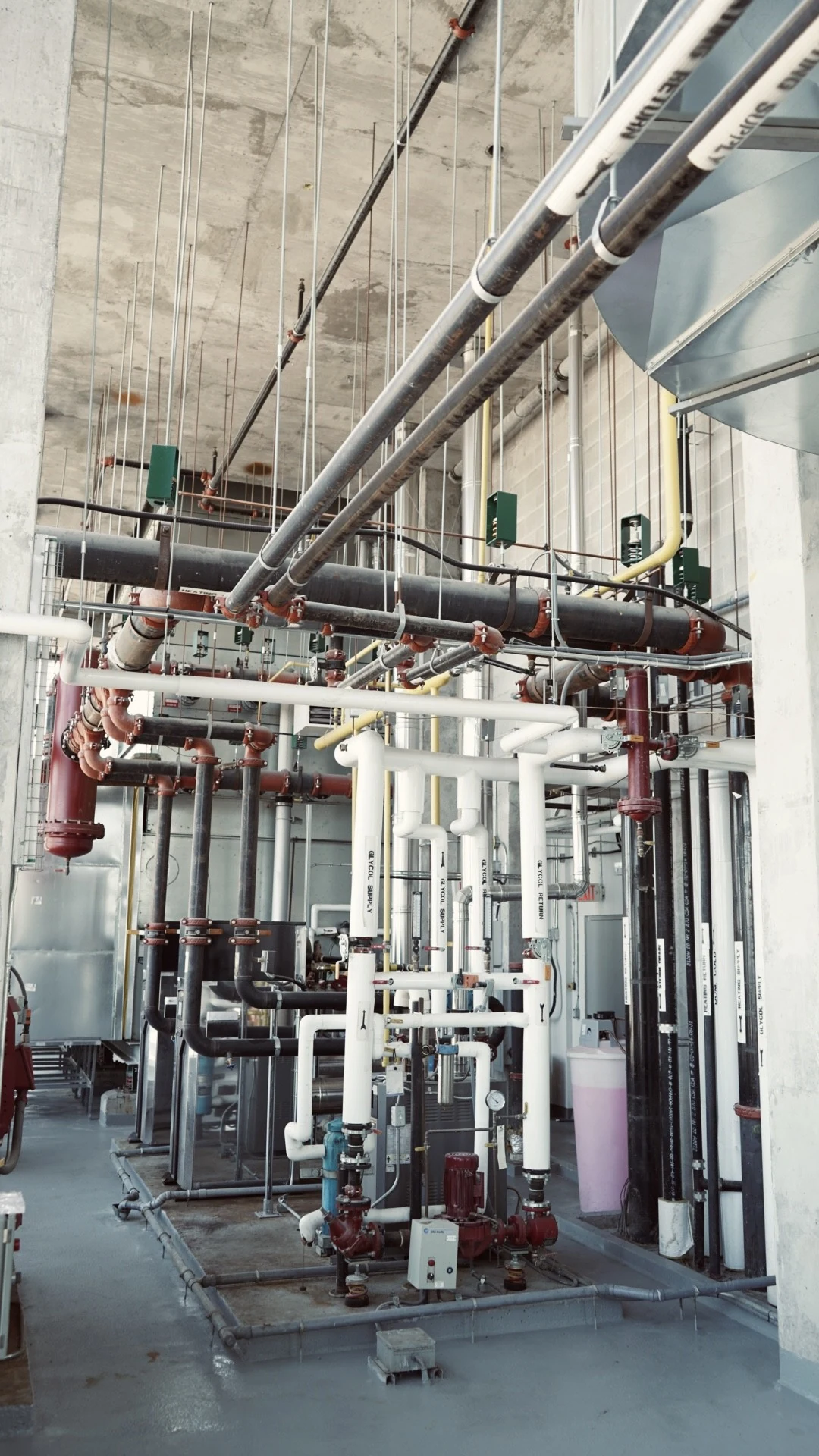
Send the MUA and exhaust equipment models, affected floors and current ventilation concerns. We can review filters, fans, heating sections, controls and accessible connections within the agreed scope. Shaft cleaning, balancing, engineering and corrective repairs should be identified separately in the building’s plan.