Booster Pump Repair
For low or unstable domestic water pressure, review the incoming supply, pressure sensors, drives, lead-lag operation and individual pumps.
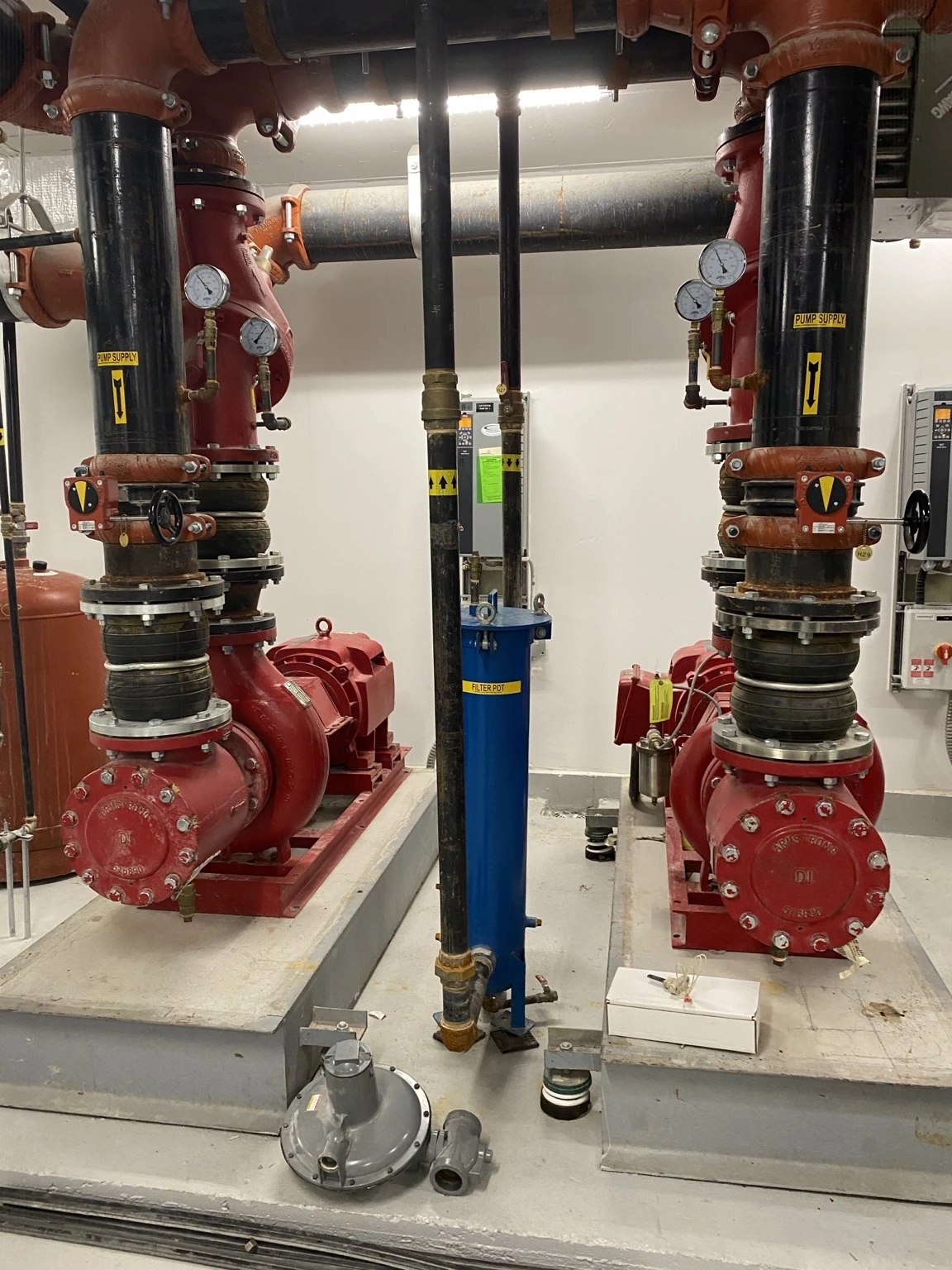
Home Trade Standards provides building pump repair, maintenance and replacement in Toronto & GTA. We help condo property managers and commercial building operators address low water pressure, circulation problems, pump leaks and drainage faults, then plan the required repair or installation.
A pump problem can affect domestic water pressure, heating, cooling or drainage. The first step is to identify the system served and the conditions when the fault occurs. A failed seal, a motor fault, a blocked suction line and a control problem can produce different repair scopes. HTS reviews the equipment and operating symptoms before recommending corrective work.
Browse Grundfos, Armstrong, Bell & Gossett, Taco, Barnes, Sulzer, Wilo, Goulds and Aurora pump families. Send the full model and serial number so the correct configuration and service scope can be confirmed.
For low or unstable domestic water pressure, review the incoming supply, pressure sensors, drives, lead-lag operation and individual pumps.
Heating, chilled-water and domestic hot-water recirculation pumps need the right flow, materials, seals and controls for the circuit they serve.
Assess the installed pump, pit, level controls, alarms, check valve and discharge arrangement. Sewage ejectors and grinder pumps have different duties.
Inspect the reported component and its operating conditions. Confirm the complete pump and motor nameplates before selecting parts or replacement equipment.
Record the affected floors and whether pressure changes during peak demand. The cause may involve supply conditions, pressure zoning, controls or pump staging.
Report when the noise starts and whether it changes with speed. Bearings, alignment, air, supports and operating conditions may need investigation.
Send a photograph showing where the leak begins. A mechanical-seal leak, flange leak and nearby pipe leak require different work.
Record the alarm or fault code and notify building management. Service includes identifying the pump duty and checking the associated electrical and control conditions within the agreed scope.
A planned pump maintenance visit can track leaks, noise, vibration, operating readings and control response. The schedule should identify each pump, its duty and the checks required by the manufacturer. Duplex and triplex booster systems also need their lead-lag and standby arrangements considered. Maintenance records help management prioritize repairs and budget for replacement.
The replacement selection must suit the required flow and head, not just the existing horsepower. Confirm the electrical supply, materials, connections, controls and available space. The quotation should distinguish a single pump replacement from a complete booster package, including any manifolds, drives, pressure vessels or control changes. Plan isolation, building notices, lifting access and commissioning before the work begins.
Frequently Asked Questions
Browse By Topic
Not necessarily. Incoming water supply, valves, sensors, drives and control settings can affect pressure. A service assessment should establish the cause before a complete package is replaced.
Sometimes. The selection must suit the remaining pumps, controls, duty and standby arrangement. Provide the package nameplate and the individual pump and motor details for review.
No. Similar model numbers and matching horsepower do not confirm hydraulic or electrical compatibility. HTS needs the operating duty, connections, controls and complete equipment details.
Yes. List each pump and the agreed operating checks, inspection frequency and reporting. Corrective repairs, parts and larger replacement work should be identified separately.
We review the pump and motor nameplates, fault symptoms, installation photos and access with your building operator. Where available, we also review drawings and the required flow and head before defining repair or replacement options.
No Matching Questions
Try another word or clear the filters to see all answers.
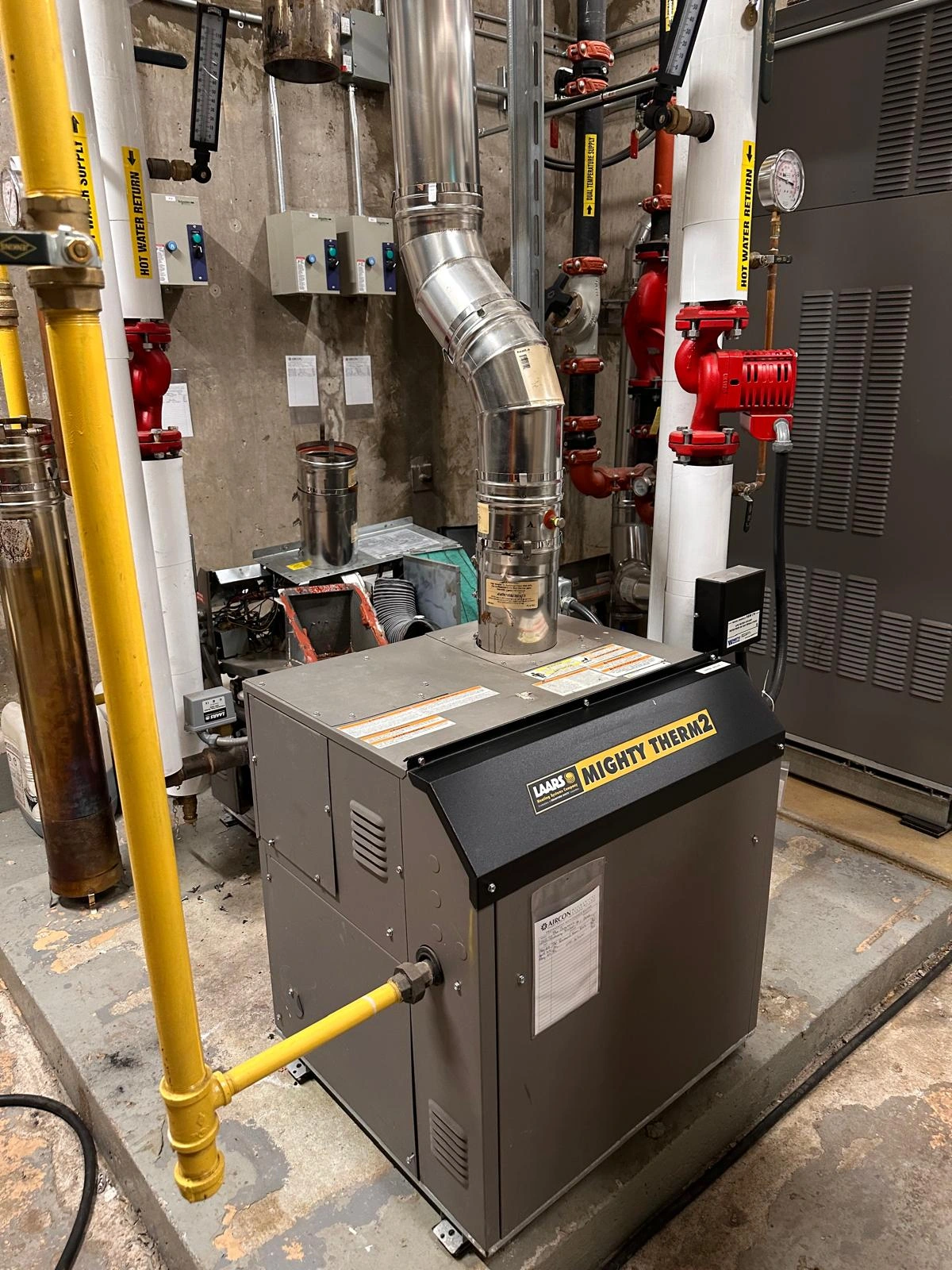
We identify the pump’s duty and assess the operating concern. You receive the repair or replacement options and the access or shutdown requirements for your building.
We review the pump nameplate, duty, symptoms and service history, then outline what we can check on site and whether isolation or shutdown planning is needed.