In This Guide
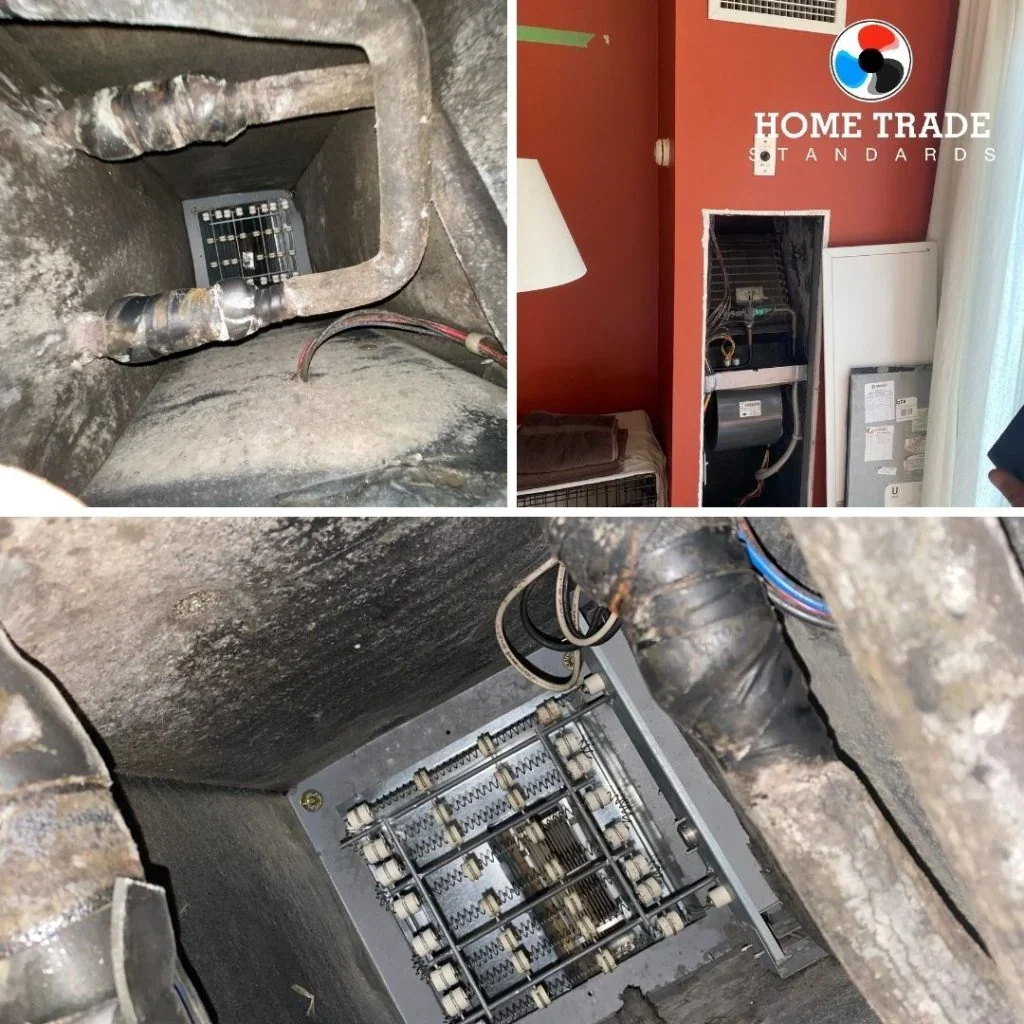
Mold in fan coil units (FCUs) is a growing concern in Toronto condos, impacting air quality, property values, and residents’ health. If mold growth is discovered in condos, proper remediation is essential to prevent further contamination. If left unchecked, mold and related moisture problems can lead to costly repairs, including water damage to the suite below. In this article, we break down the causes of FCU mold growth, its risks, and the best strategies to prevent and remediate the issue effectively.
Health Risks Of Mold In Fan Coil Units
If mould develops in an FCU, it can circulate through the air, leading to serious health concerns:
- Respiratory Issues: Exposure to airborne mold spores can cause coughing, wheezing, and shortness of breath.
- Allergic Reactions: Symptoms include sneezing, itchy eyes, and skin irritation.
- Toxic Exposure: Long-term inhalation of mold particles can worsen asthma and lead to chronic lung infections.
- Fiberglass Exposure Risks: In older FCUs, deteriorated fiberglass insulation can release airborne particles, which may cause skin rashes and respiratory irritation.
How To Prevent Mold In Fan Coil Units
The best approach to mold is prevention. Condo boards, property managers, and unit owners should implement these proactive measures:
1. Schedule Annual Fan Coil Maintenance
A defined maintenance visit can document filter, coil, fan, drain-pan and control conditions and identify items requiring further attention.
- Have a professional clean and inspect the unit at least once a year.
- Replace filters regularly and apply anti-microbial treatments to prevent mould growth.
2. Monitor Humidity & Airflow
Report persistent moisture, condensation or weak airflow so the equipment and ventilation conditions can be assessed together.
- Maintain indoor humidity levels between 30-50% to prevent excessive moisture buildup.
- Ensure air vents are unobstructed for proper airflow.
3. Check For Water Leaks & Rust
Visible water and corrosion should prompt an investigation of the source and the affected components, including accessible drainage and connections.
- Inspect riser pipes and drain pans for leaks, as standing water accelerates mould growth.
- Replace rusted drain pans to avoid moisture accumulation inside the unit.
4. Conduct Air Quality Testing
Start with an inspection for moisture, leaks and visible material deterioration. Ask a qualified assessor whether sampling would answer a specific unresolved question; it should not replace finding and addressing the moisture source.
5. Consider Upgrading Old Fan Coil Units
Consider retrofit when the assessment identifies deteriorated components or recurring faults that the proposed replacement would address.
- Fan Coil units typically last around 20 to 25 years. Older units with deteriorating insulation are more likely to develop mold issues.
- Replacing outdated Fan Coil Units with modern, modular systems can eliminate existing mould and improve overall efficiency.
What To Do If You Find Mold In Your Fan Coil Units
If mold is discovered, proper remediation is essential to prevent further contamination. A professional remediation process usually includes:
- Isolating the Work Area – Tenting & containing the affected space to prevent mold spores from spreading.
- Removing Contaminated Materials – Replacing insulation, air filters, and other mold-affected components.
- Cleaning & Remediation — Address the moisture source and assess whether contaminated materials can be cleaned or need replacement.
- Upgrading to Mold-Resistant Materials – Installing closed-cell foam insulation, which resists moisture and mold growth.
The Cost Of Ignoring Mold Issues
Delaying mould remediation can result in major financial and legal repercussions:
- Higher Insurance Premiums: Frequent claims related to mould damage can increase costs for the entire building.
- Decreased Property Value: Buyers may avoid units with unresolved mould issues, leading to lower resale prices.
- Legal Disputes: Tenants or owners may take legal action against property managers for failing to maintain safe living conditions.
- Expensive Repairs: Unchecked mould can spread and require full FCU replacements, significantly increasing costs.
Mould Disclosure In Condo Status Certificates
Keep records of investigations, remediation and planned fan coil work. Ask the corporation’s legal adviser how the findings and any expected costs should be reflected in the status certificate. Avoid assuming that a retrofit alone establishes air quality or resolves every moisture source.
Final Thoughts: Take Action Against Fan Coil Mold Growth
Mold growth in fan coil units isn’t just an inconvenience—it’s a serious issue that affects air quality, resident health, and property values. The good news? With annual maintenance, regular inspections, and timely remediation, you can prevent costly repairs and keep your condo’s HVAC system in peak condition.
Home Trade Standards – Your Condo HVAC Specialists in Toronto & the GTA.