On This Page 6 Topics
Unlocking Efficiency & Comfort: The Many Benefits Of Water Source Heat Pumps In Condominiums
Water-source heat pumps provide individual suite heating and cooling while exchanging heat with a shared building water loop. Their suitability depends on the building design, operating conditions, equipment ratings and maintenance access.
Year-Round Comfort: Harnessing The Power Of Water Source Heat Pumps
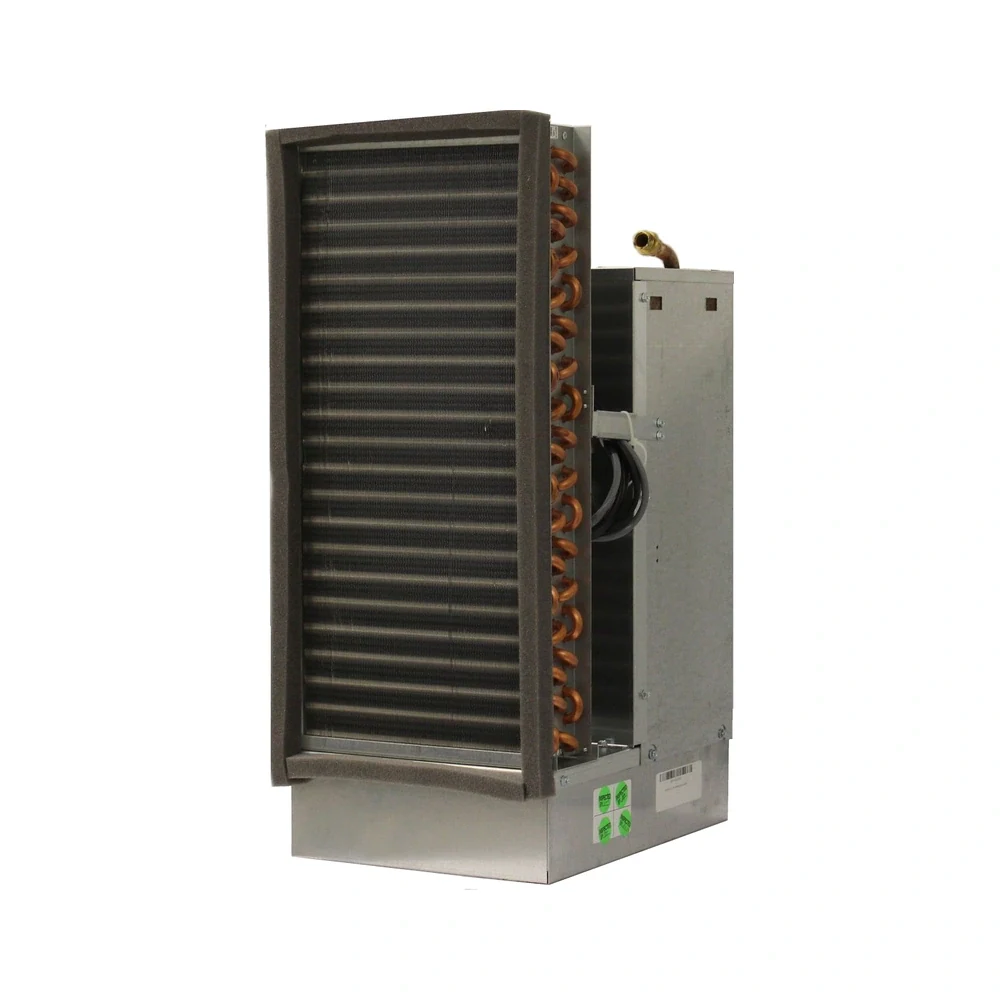
Heat Pumps are named so because they pump heat from one area to another. The unit in your condo uses a refrigerant cycle to move the heat. Each heat pump in your building connects to a central loop of water that acts as a supplier or accepter of heat. When cooling, the hotter air in the room is blown across a cold coil to remove heat from the air and transfer it to the building water. When heating is necessary, the system pulls heat from the building water loop to heat the coil. As the cold air from the room blows across the coil, it heats the room. The heat pump in your condo and the building system work together to provide year-round comfort.
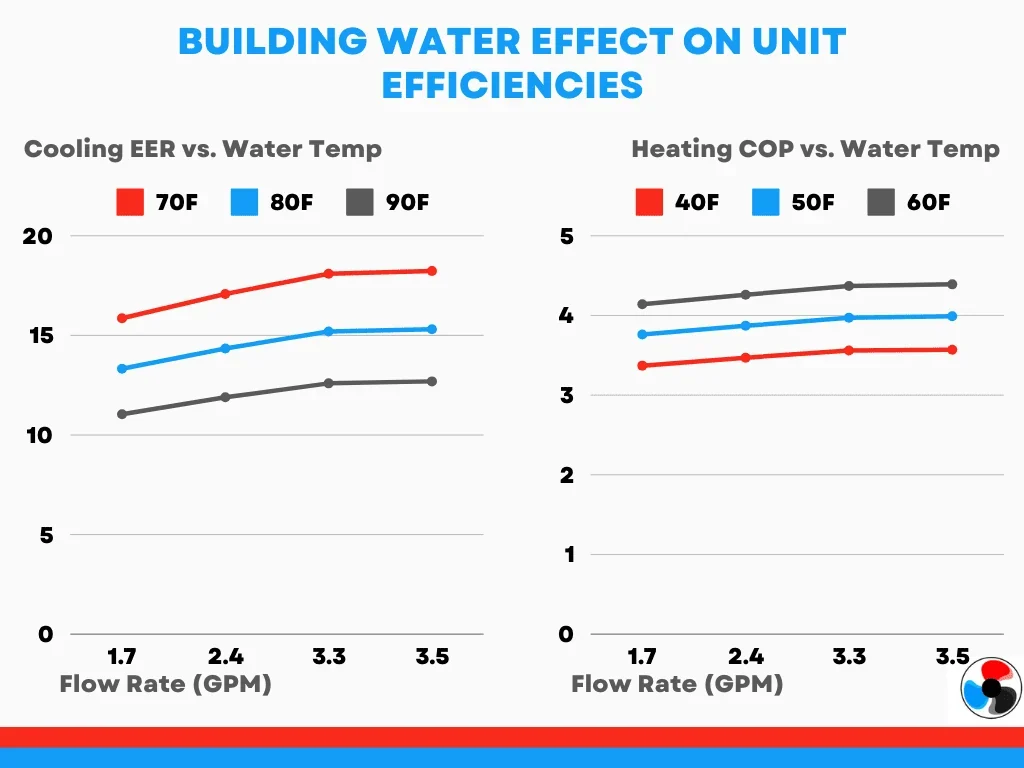
The building water loop significantly affects the heat pump’s performance. Therefore, it is critical that the building maintains the system to deliver the optimal water temperature.
The Figure Below Shows How A 10-Deg Swing In Building Water Temperature Can Add 20% To The Heat Pump’s Efficiency.
Cost-Efficiency Redefined: How Water Source Heat Pumps Cut Condo Energy Bills
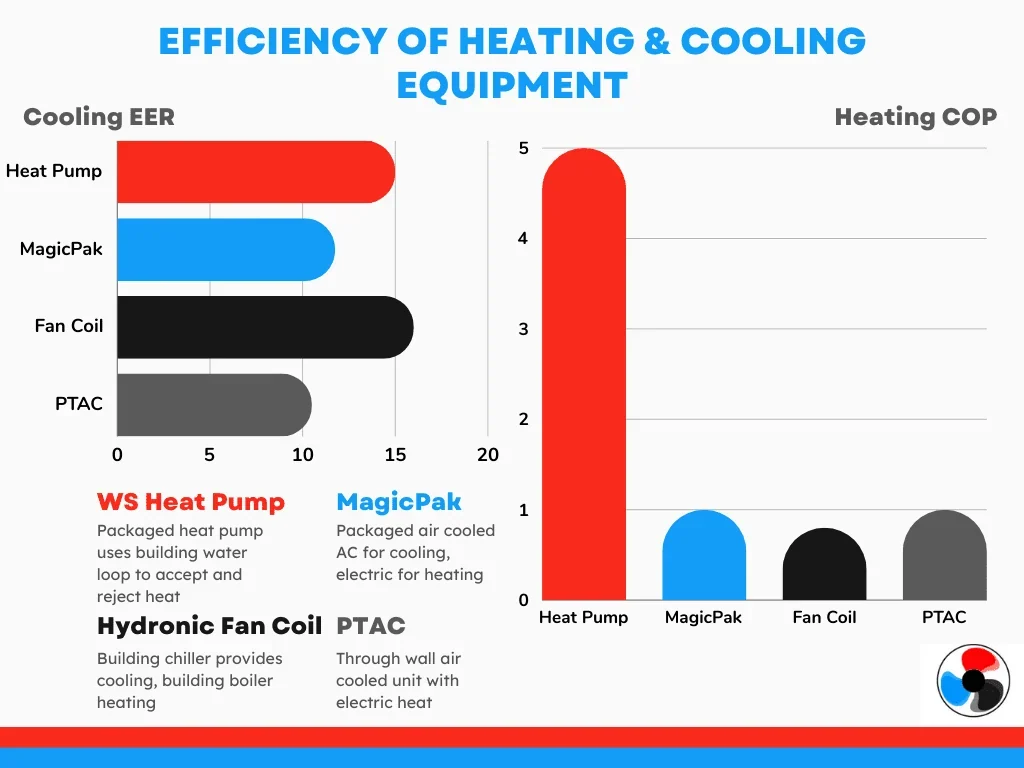
Two systems affect efficiency in a water source heat pump: the system in your home and the building. The newest technologies provide the same efficiency as larger commercial chillers.
A heat pump moves heat as well as consuming electricity, so delivered heat can exceed its electrical input. Actual performance depends on water temperature, flow, airflow and the equipment rating. Include shared plant and pumping energy when comparing building-level operating costs.
During the months between seasons, some building units need heating while others need cooling. The shared water loop in the building system allows the units to “share” the heat load, requiring less energy from the building system. No other system choice provides this “free” heat transfer.
After leaving the condo, the building system pumps the water through a cooling tower. The cooling tower rejects or accepts heat from the outside air. A cooling tower is simple and requires less energy than a commercial chiller.
Higher efficiencies reduce your electricity bill and the building costs, ultimately reducing your condo common fees.
Future-Proofing Your Condo: The Long-Term Benefits Of Water Source Heat Pump Technology
The vertical stack heat pump is easily serviceable. The refrigeration cycle components are connected to the building via flexible hoses and electrical wiring on a self-contained chassis. Removing the heat pump chassis provides easy access to its components if service issues arise. If the service is more extensive, a temporary chassis can provide conditioning while your unit receives service at the workshop.
When new technology is available, replacing your existing chassis with the latest design is easy without modifying your condo. A service technician can complete a replacement in an hour or less. For more information on heat pump service, read more Condo Heat Pump Repair, Maintenance & Replacement.
Home Trade Standards – Condo Heat Pump Specialists
The water-source heat pump system’s simplicity, efficiency, serviceability, and flexibility make it a great choice that benefits both the building and the condo owner. If you have more questions about your system or selecting one for your condominium project, don’t hesitate to contact Home Trade Standards at 416-736-7001.