Prices and warranty examples reflect the article’s published context. Confirm current terms and your building’s requirements with HTS.
On This Page 11 Topics
A Delicate Issue Between Property Managers, Condo Corporations, Board Members, Homeowners, Tenants, Real Estate Agents & Potential Future Buyers
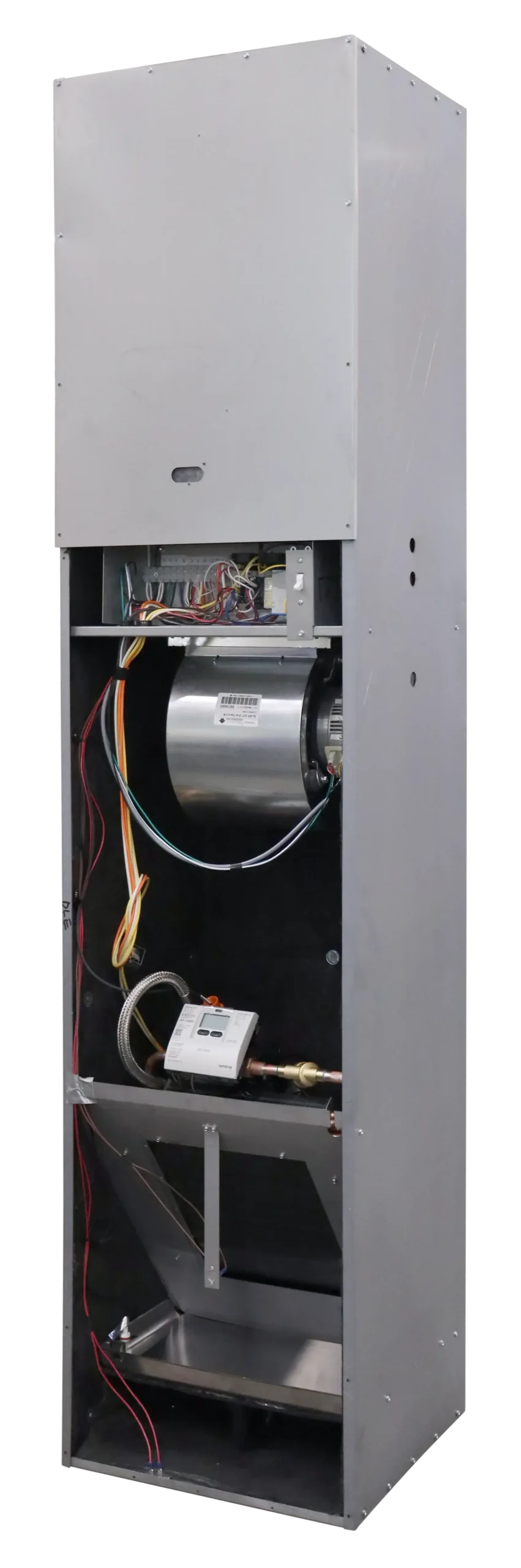
Fan Coil Units are one of the most commonly installed Heating, Air Conditioning & Ventilation Systems in Canadian high rise buildings. Cold Water is delivered through the coils from the central chiller & boiler (depending on the season) and the air is forced over these water coils to distribute chilled & hot air inside your condominium.
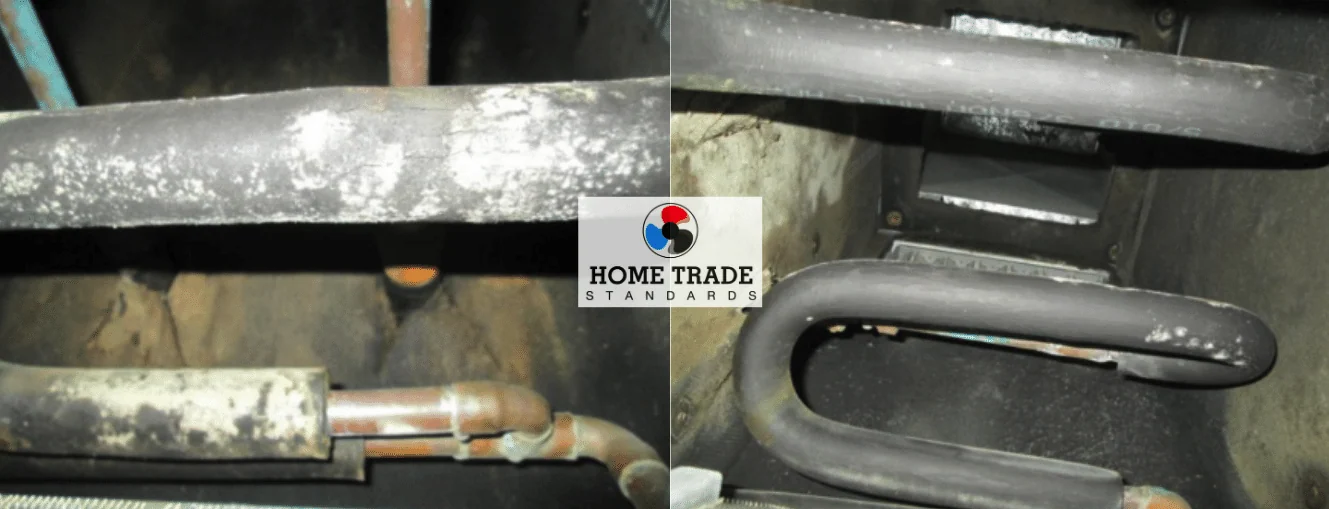
In the summer, relative humidity inside the fan coil riser increases due to condensation in the copper water lines. Hence, your HVAC system creates a suitable condition for prolific mould growth. Due to excessive humidity inside fan coil cabinets, these HVAC units are an ideal breeding ground for mould growth. Although regular filter replacement can help prevent the spread of mould, they do not limit its growth. Mould can also breed on filters.
Mould Growth In Older Condos
Mould growth initiates in areas hidden from view before becoming visible. With these Fan Coil Units being ‘out of sight and out of mind’ long periods of time can go by without any proper care or maintenance going into these units. One common area for mould growth is inside the HVAC system in your condo unit. These microscopic live organisms can grow on the surface of most materials such as fan coil fibreglass, drain pan, insulation and ductwork.
Fan Coil Fibreglass Exposure
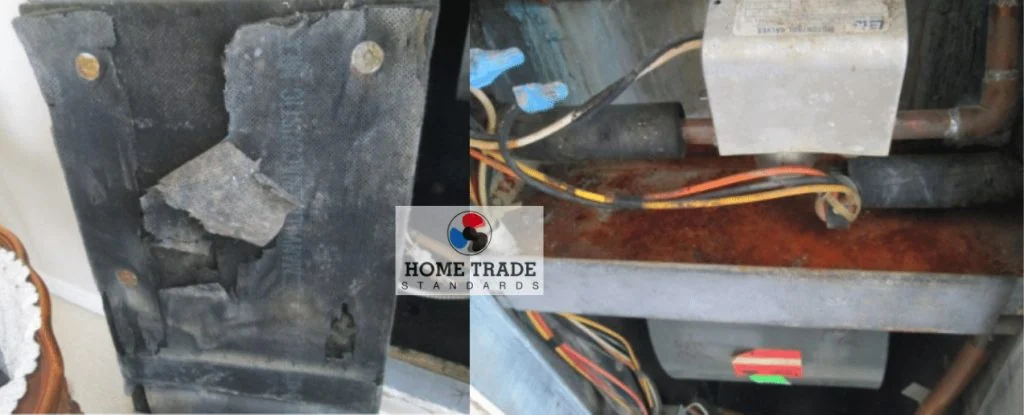
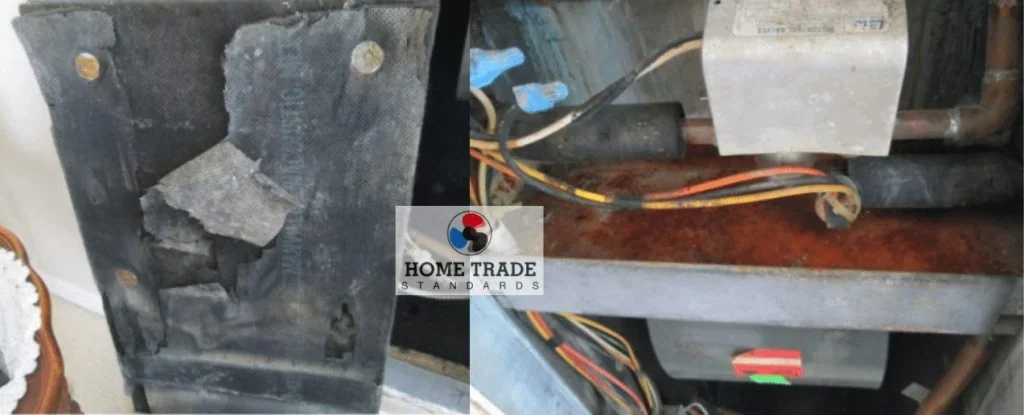
Fibreglass materials may look fluffy & harmless, but looks are deceiving. Older fibreglass can deteriorate to smaller particles due to moisture and wear & tear.
In the older fan coil prototypes using fibreglass insulation were common in order to control the heat loss during system operation. Fibreglass was also used to reduce the water velocity noise level emitted from the units themselves.
Airborne fibreglass particles can cause skin irritation, itchiness and rashes.
When inhaled, these tiny particles can cause and trigger other respiratory problems
such as lung disorder, nosebleed, coughing and sore throat.
Toxic Airstream Triggers Serious & Mild Health Problems
Mould contamination in your airstream can cause health risk problems in your daily activities. Here are some common respiratory symptoms:
- Allegory & Coughing
- Feeling Ill & sickness
- Asthma
The existence of these microorganisms can easily be spread throughout your home through the airstream distribution system. Once these particles spread airborne, they can cause health problems for residents inside the suite.
Intervention & Prevention Of Bacteria Germs & Mould In Condominium Spaces
This can be considered a nuisance to which a condominium corporation is required to act. It’s highly recommended to have your suite inspected by a professional if you suspect having this microorganism in your building. Property Managers, Condo Corporation, Board Members, Homeowners, Tenants, Real Estate Agents & Potential Future Buyers could be equally affected during escalations.
Mould A Growing Issue For Condo Corporation
Condominium corporations have a responsibility to address mould concerns if there is evidence that there is a risk factor for residents. The determination of responsibility is a controversial subject and legal problem which is not part of this discussion however, this is what needs to be taken into account when we’re dealing with this matter:
- What caused the mould to grow & develop
- Is the area affected part of the common elements, Individual unit, or both?
- Who is responsible to maintain & repair these areas
- Have residents been educated enough for this matter
- What proactive measures were documented, such as moisture inspections, leak repairs, resident notices and any professionally recommended testing?
Talk To An HVAC Specialist Today!
If It’s Worth Doing, It’s Worth Doing Right!
Dealing with mould in Fan Coil Units requires a number of steps. The first step is prevention. Here are 4 precautionary measures for condominium property managers:
- Annual Fan Coil Maintenance That Includes Filter Replacement, Cleaning and Inspections For Mould or Moisture Problems
- Employ Fan Coil Engineers or Mould Redimiation Professionals To Get a Full Report On Your Existing Fan Coil Condition
- Employ Anti-Microbial Solution During Annual Maintenance. Improper cleaning can worsen a mould situation by helping mould spores to spread through a suite or building. It is important to hire properly trained specialists to clean these areas and deal with any identified mould.
4. Find and Repair Water Leaks, Check Drain Pans and Monitor Rust & Corrosion Levels
5. Investigate Moisture & Assess Whether Testing Is Needed
The Average Lifespan Of A Fan Coil Unit Is 20 Years. Plan For Future
The condition and remaining service life of a fan coil depend on its design, maintenance and operating environment. Older equipment may need more frequent repairs. A retrofit can address deteriorated components, but moisture sources and contaminated materials must be assessed as part of the project.
Status Certificate Guarantees Your Future Condominium Value
Lastly, common knowledge and major changes in the building will need to be disclosed to the new buyers in the status certificate.
A status certificate is a document provided by the condominium corporation to buyers of resale condos that provides a snapshot of the unit as at the date that the certificate is issued. In most cases, if the building is serviced by a property management company, it is prepared by the property manager. The certificate must be given to the prospective buyer within 10 days of the date of the request, and the Condominium Act allows for a $100 fee to be charged for the status certificate.
If fan coil units within a building have been inspected for mould and there is knowledge by the Board that mould contamination is present, regardless of who owns the unit, is it required by the Directors to disclose this information in the status certificate.
On the other hand, If Fan Coil units within a building have been retrofitted, the directors & management will also need to disclose that information to the new buyer in the status certificate.
Therefore, your unit will have an increase in value compared to those neighbours who did not proceed with the retrofit proposal.
Home Trade Standards assists condo corporations & property managers with preventing and dealing with mould Fan Coil Mould problems. Indoor Air quality is an important factor for condominium residents. Semi-Annual maintenance, humidity control and air quality monitoring is required to suppress mould growth. Other measures include frequent filter replacement and informing management if air vents are not functioning properly. Areas with visible condensation should be reported to management or addressed. We specialize In Engineering Analysis & Fan Coil Retrofit Solutions In Downtown & Midtown Toronto, North York, Etobicoke, Scarborough, Vaughan Mississauga, Brampton, Aurora, New Market, Richmond Hill, Oshawa, Ajax and Pickering.
For more information on this article, email service@hometradestandards.com