In This Guide
Water leaks inside condominiums create immediate panic — especially when the water is coming from the unit above. Multi Residential buildings often can face disputes when dealing with unexpected water damage. Here we discuss more in depth how chargeback decisions are made by property managers and insurance companies.
The first reaction is almost always:
“The upstairs neighbor caused it, so they must pay.”
In Ontario condominiums, that is often not how responsibility is determined.
Responsibility depends on the Condominium Act, the corporation’s bylaws, the standard unit definition, and insurance structure — not simply where the water came from.
This article outlines the documents and questions that help owners and boards investigate responsibility. A leak assessment identifies mechanical findings; it does not decide legal liability or insurance coverage.
Why HVAC Systems Cause So Many Condo Leaks
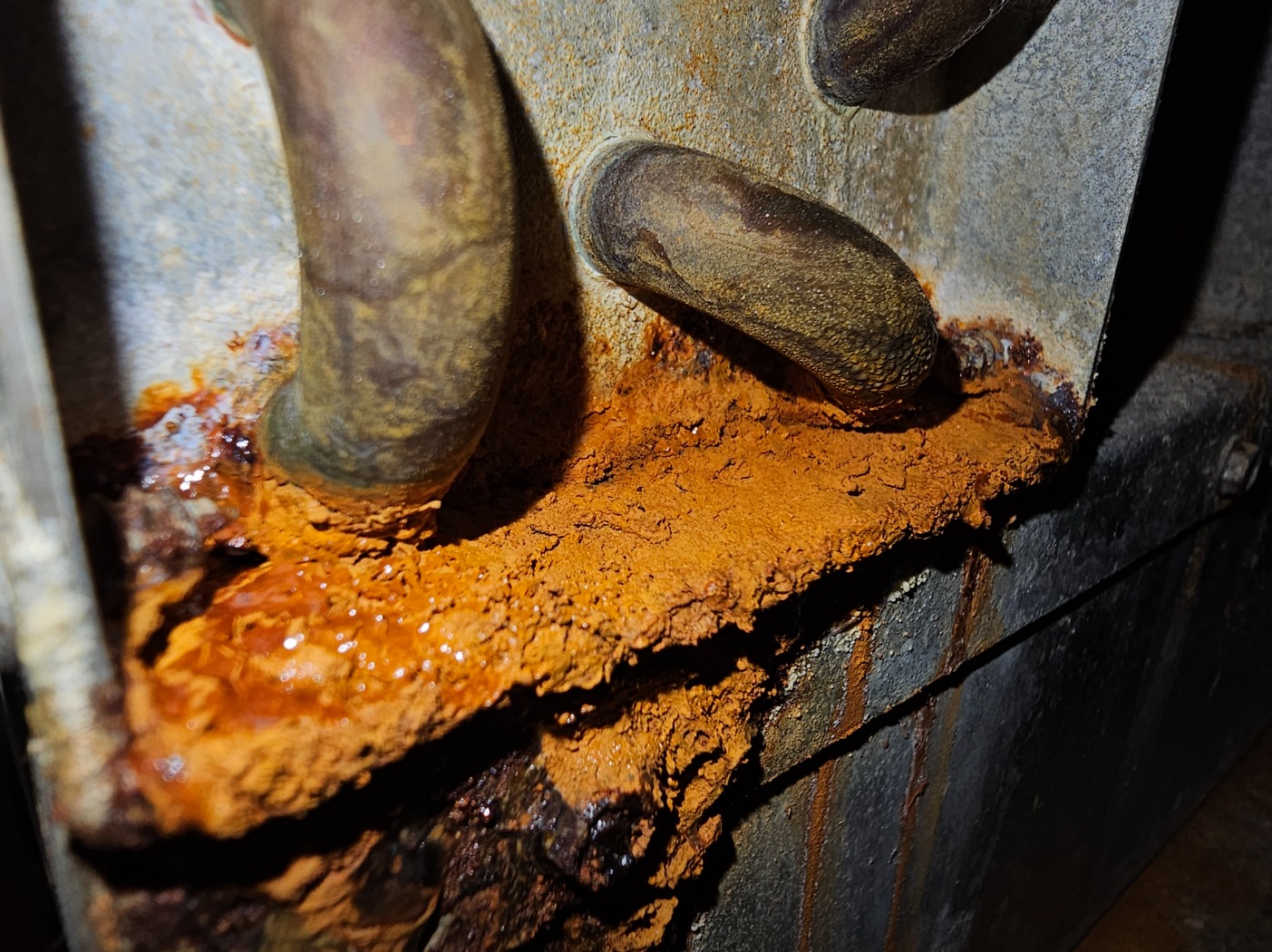
Water escape can affect several suites and common areas. HVAC-related causes to investigate include:
-
Heat pump or Fan Coil condensate overflow
-
Clogged HVAC riser drain lines
-
Frozen coils
-
Burst hoses
-
Failed valves
-
Sweating risers
-
Condensation inside walls
HVAC leaks may travel through cabinets, risers and adjacent construction, damaging more than one suite before the source is identified.
Mechanical findings, governing documents and insurance terms need to be considered separately.
The Three Types Of Property Inside A Condo
Every leak investigation starts with identifying what was damaged.
1) Common Elements (Corporation Responsibility)
The examples below concern shared building components. Confirm the actual maintenance and repair responsibilities against the condominium’s governing documents.
-
Vertical riser pipes
-
Mechanical rooms
-
Building HVAC infrastructure
-
Shared duct systems
-
Structural components
The corporation repairs these.
2) The Standard Unit (Corporation Insurance)
Each condo defines a “standard unit” usually referred to the baseline version of the suite when the condo was originally constructed.
This typically includes:
-
Original drywall
-
Builder flooring (sometimes)
-
Original fixtures
-
Some HVAC components depending on declaration
Check whether the damaged item falls within the standard unit definition and confirm the repair and insurance responsibilities for the claim.
3) Improvements & Contents (Owner Responsibility)
Anything upgraded belongs to the owner:
-
Hardwood flooring upgrades
-
Cabinets and countertops
-
Renovations
-
Furniture and belongings
Owners insure these separately.
Section 105 Of The Ontario Condominium Act: Deductibles
Section 105 addresses deductibles. Review the applicable legislation and condominium bylaws with the corporation’s adviser before deciding a chargeback.
Default Rule
The condominium corporation pays the insurance deductible as a common expense shared by all owners.
The following situations illustrate questions that may affect the allocation of a deductible.
Exception 1 — Owner Caused The Leak (Act Or Omission)
If the damage was caused by the owner, tenant, or contractor:
Examples:
-
Disconnecting HVAC drain
-
Blocking airflow causing condensation
-
Improper installation
-
Ignoring known leak
-
Appliance overflow
Ask the corporation to explain the basis and amount of any proposed chargeback:
The lesser of the deductible OR the repair cost
A chargeback should be assessed against the applicable documents and circumstances. Obtain legal advice if responsibility is disputed.
Exception 2 — Deductible Chargeback By-Law (Very Common Today)
Some corporations have bylaws that extend an owner’s responsibility for the corporation’s deductible.
The effect of a deductible bylaw depends on its wording and the applicable law. Request the relevant documents rather than assuming that every leak leads to the same outcome.
Meaning:
If the water started in your unit, you may pay the deductible even when it was an accident.
Deductibles vary by policy. Obtain the current insurance certificate and deductible schedule for your building.
Understanding Your Building’s Deductible
Ask for the current water-damage deductible, the relevant bylaw and the proposed repair scope. Building age alone does not establish the deductible.
How An Owner’s Insurance May Respond
An owner’s policy may respond to an eligible claim, subject to the policy’s limits, exclusions and deductible.
Instead:
Notify your insurer promptly, provide the requested documents and ask for a written coverage decision.
This uses a specific coverage called:
Loss Assessment / Deductible Coverage
Questions To Ask Your Insurance Broker
Compare your policy with the corporation’s current deductible and the risks specific to your unit.
Ask your broker to assess appropriate limits for the following areas:
Ask about deductible assessments, liability, improvements and contents. Request limits suited to your building, belongings and policy terms; a generic dollar amount is not a coverage recommendation.
Without this coverage, an owner may personally owe tens of thousands of dollars.
Illustrative HVAC Leak Scenario
If a heat pump drain blockage damages several suites, document the cause, affected areas and repair estimate. The amount payable depends on responsibility and the applicable policies.
With Insurance
For an accepted claim, the insurer explains the covered amount and any deductible or limits that remain the owner’s responsibility.
Without Insurance
Without applicable coverage, an owner may have to fund a valid charge personally. Seek advice before accepting a disputed assessment.
Why This System Exists
Condominiums operate on shared risk.
Clear responsibilities, appropriate coverage and prompt maintenance help buildings plan for damage and reduce disputes.
This protects the building as a whole.
What Boards And Owners Should Do Before A Leak Happens
Clear records and an agreed reporting process help owners and management respond consistently when water damage occurs.
Boards
Keep building maintenance information and the process for reporting and investigating leaks accessible to the people coordinating a response.
-
Confirm deductible by-law
-
Review standard unit definition
-
Identify HVAC responsibilities
-
Educate residents
Owners
Keep your suite equipment records and know how to report a leak promptly to management and the appropriate service provider.
-
Carry proper insurance
-
Maintain HVAC annually
-
Never modify equipment
-
Report small leaks early
The Key Takeaways
In a condominium:
Water source does not determine responsibility — governing documents do.
Most disputes happen because people apply house logic to condo living which is a shared living space.
But legally:
The location of the leak alone does not settle a dispute. Review the governing documents, investigation and insurance terms.
About The Author
Kevin Moeini writes about condominium HVAC systems, leak prevention and mechanical maintenance for Home Trade Standards.