In This Guide
A clogged HVAC drain is one of the most common issues condo owners face, especially during the summer cooling season. When the drain line gets blocked, condensation water has nowhere to go and can back up into your fan coil or heat pump cabinet. This not only damages your unit but can also lead to leaks that affect the suites below, which can turn into a costly problem in condominium buildings.
In this guide, we’ll explain the main reasons why condo HVAC drains clog, the potential risks, and the best preventative solutions.
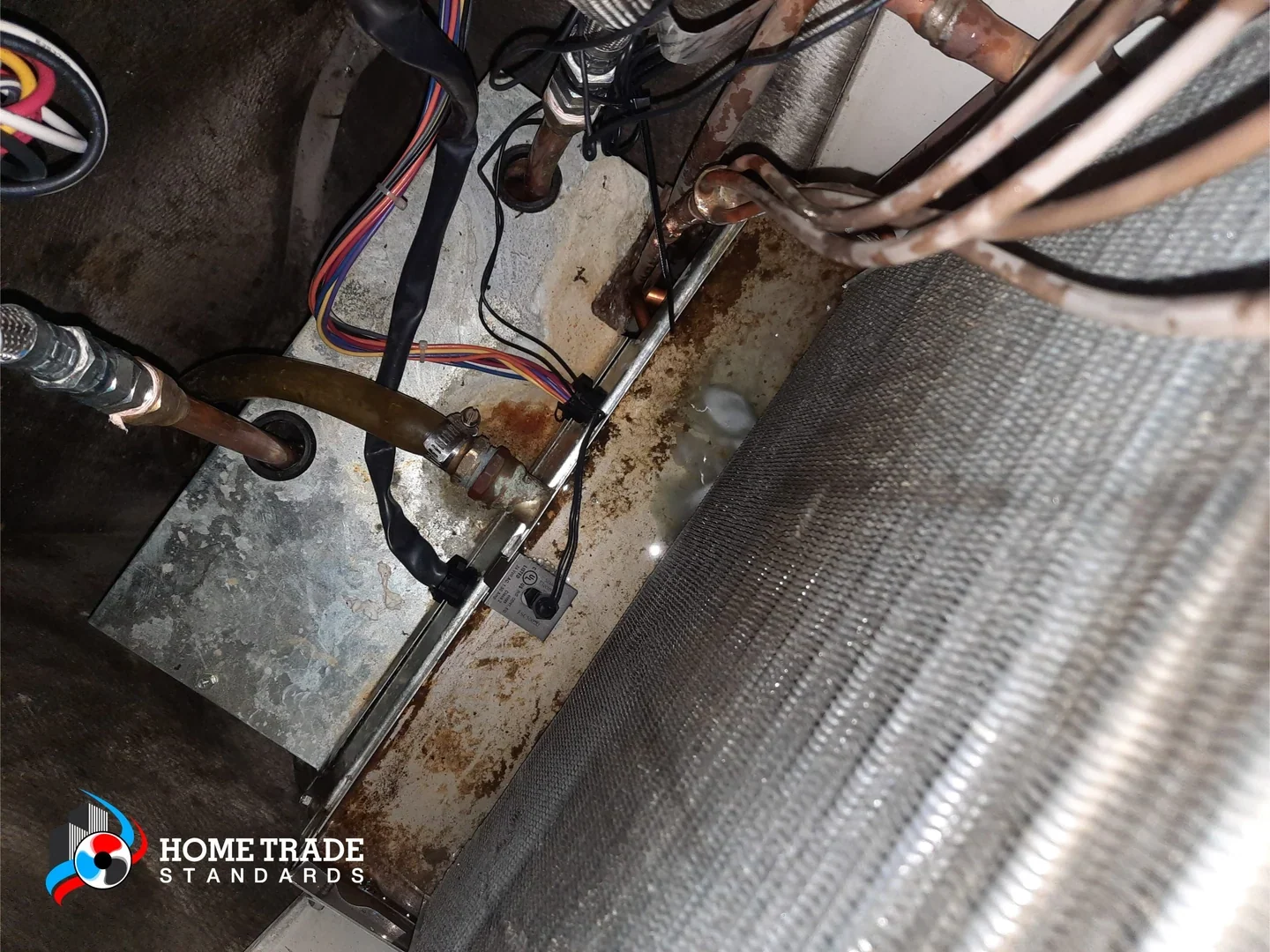
Common Causes Of Condo HVAC Drain Clogs
A drainage investigation should distinguish a restriction in the suite’s accessible drain path from a blockage farther along a shared condensate stack.
1. Lack Of Annual Maintenance
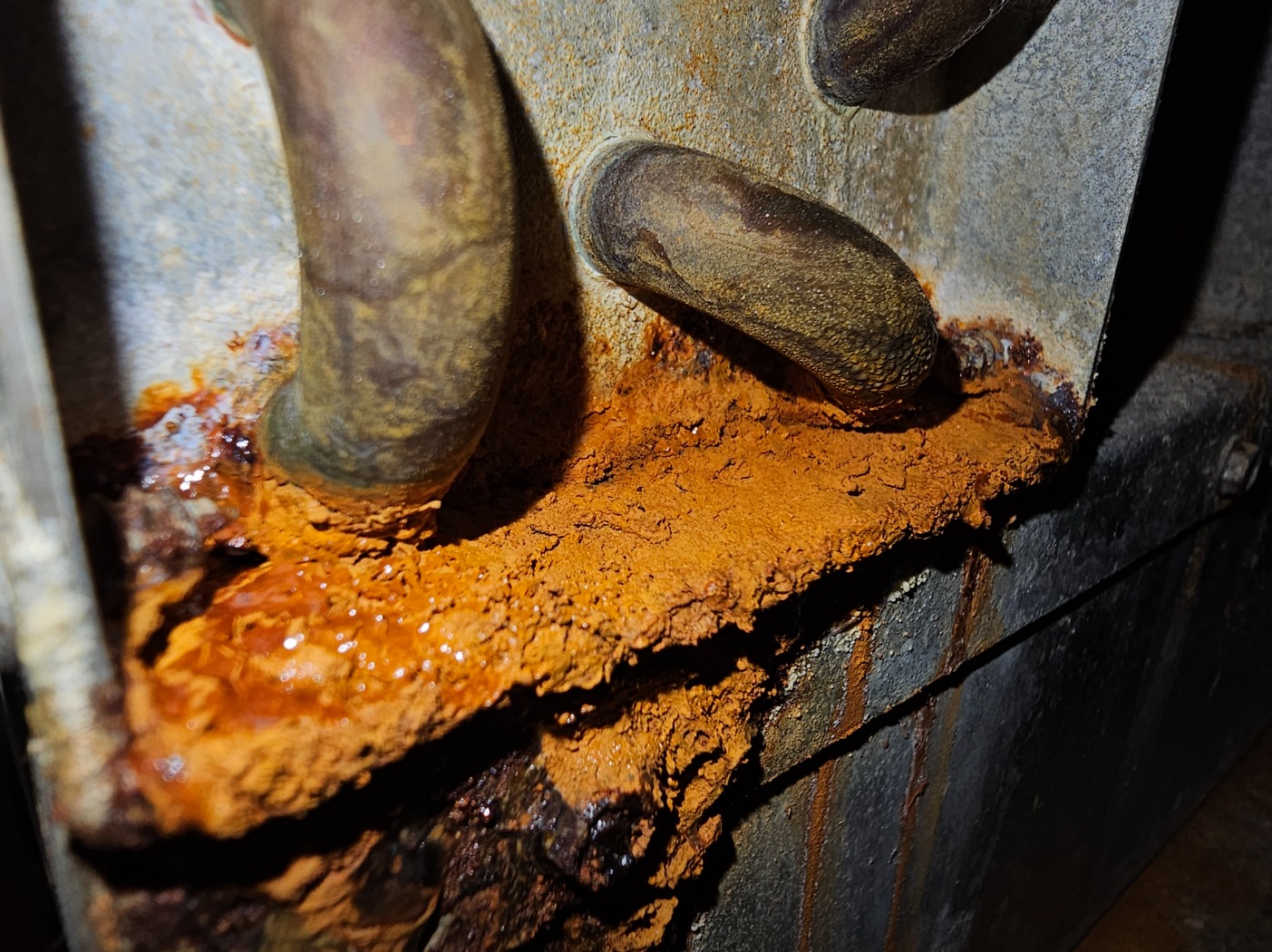
Every condo HVAC system relies on a drain line, typically a ¾-inch or 1-inch copper pipe, that runs vertically through the building and connects to each suite’s HVAC units, such as fan coils or heat pumps. Over time, calcium deposits, dust, and sludge build up inside the drain pan and pipes.
Without annual maintenance and drain cleaning, this buildup restricts water flow and causes blockage. When the water backs up, it can overflow into the suite, damaging hardwood floors, drywall, and sometimes even leaking into the units below.
Condo corporations often hold residents responsible for these damages if the clog is linked to neglected maintenance.
2. Main Drain Riser Blockage
Beyond individual suite drains, the main vertical drain riser is a shared building element. If the riser becomes clogged, water can back up into multiple units at once.
This is why many condo boards hire plumbing contractors to perform annual riser stack cleaning. Unfortunately, not all condominiums budget for this, and when it is neglected, riser blockages can cause widespread water damage.
Risks Of A Clogged HVAC Drain
- Property Damage: Water overflow can ruin flooring, drywall, and ceilings
- Liability Issues: If your unit causes damage to neighbours, condo management may issue a chargeback
- Mold Growth: Stagnant water in drain pans encourages microbial growth and creates unhealthy indoor air quality
- System Breakdowns: Excess water can damage fan motors, electrical components, and other HVAC parts
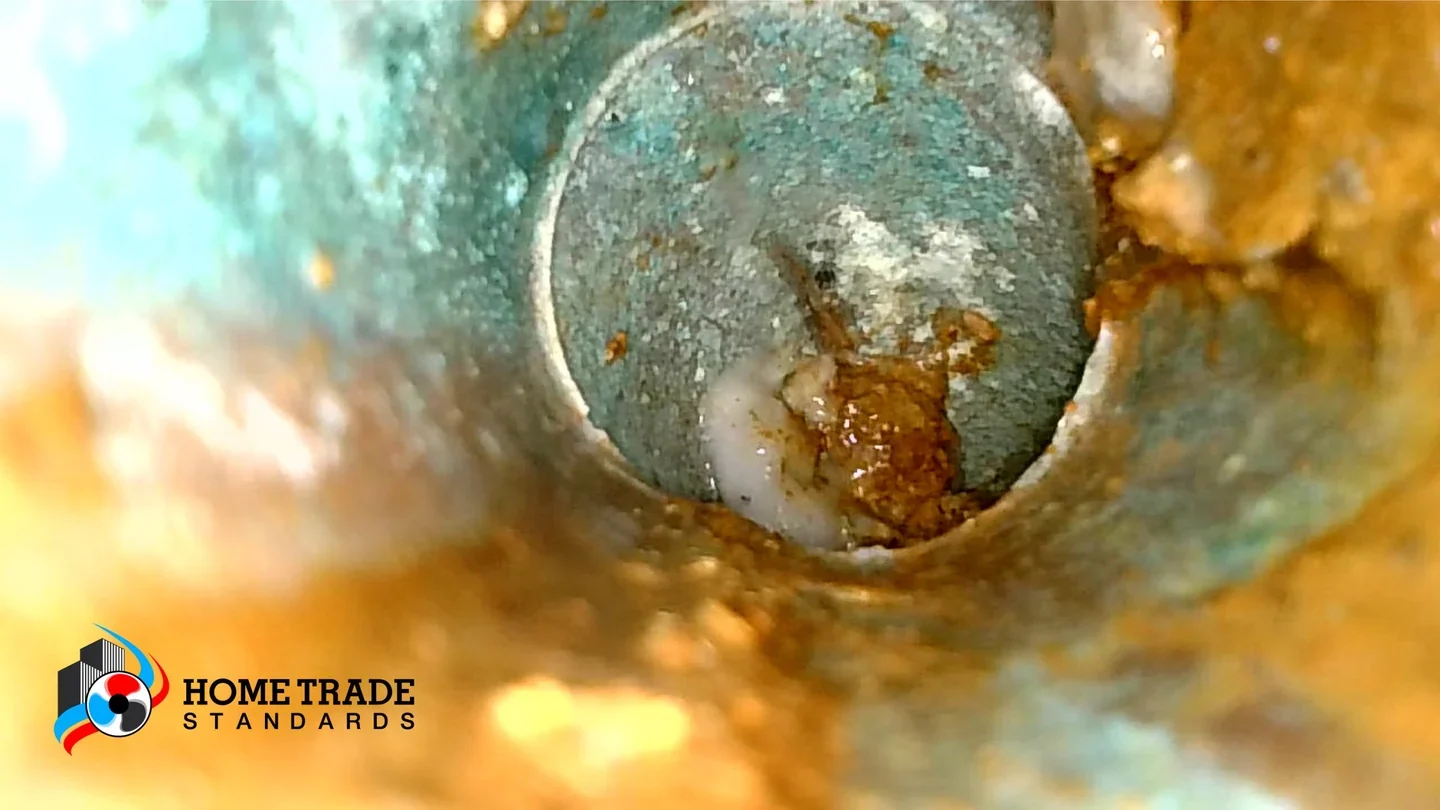
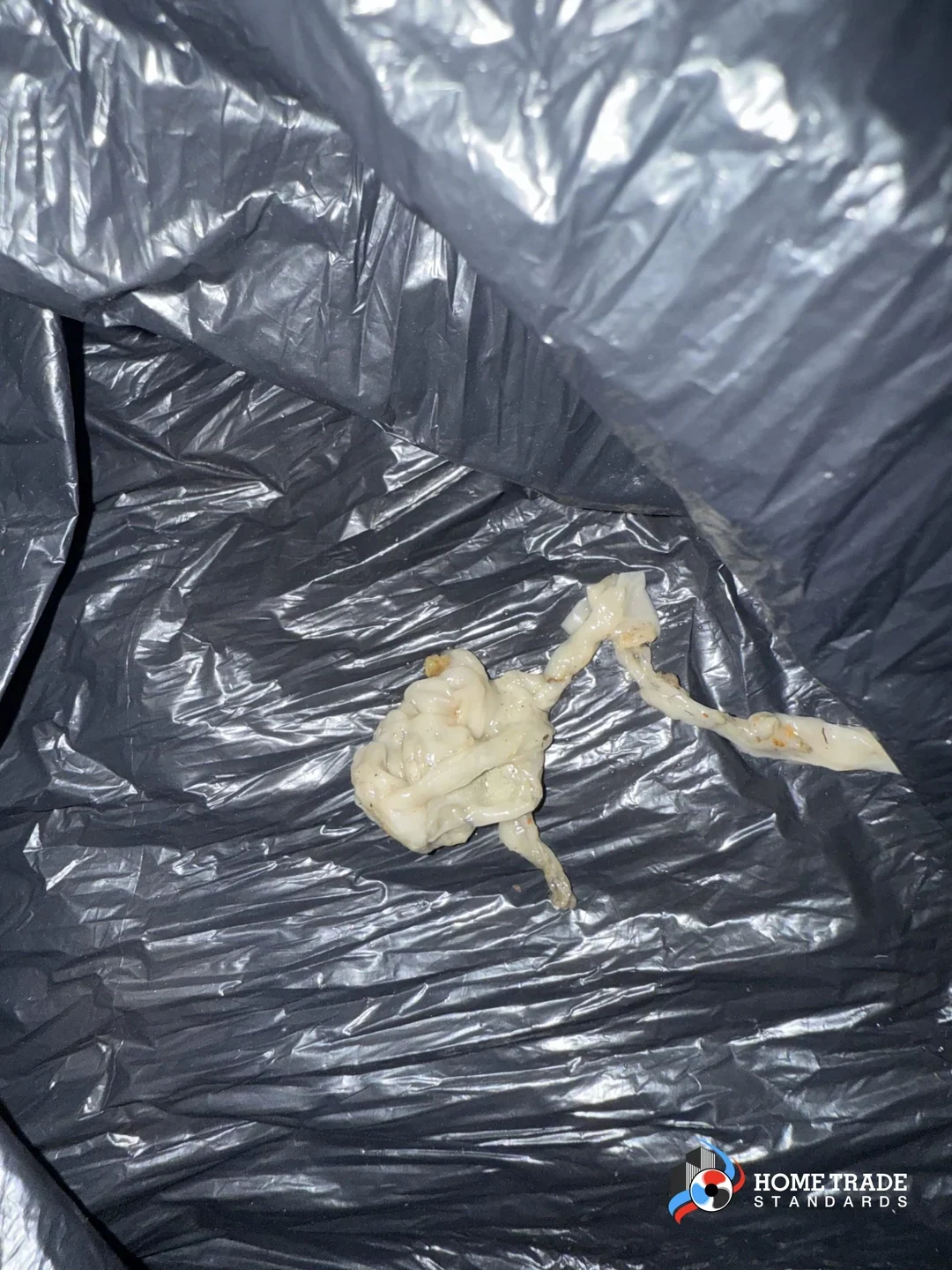
Preventative Solutions
Plan filter and drain-pan care, accessible drainage checks and any shared-stack work around the conditions identified during inspection.
1. Installing Flood Sensors
A drain pan flood sensor can detect water backup early. These sensors automatically shut down the HVAC system and often sound an alarm, preventing flooding and alerting you to service the unit right away.
2. Maintaining And Upgrading Drain Pans
Older drain pans are prone to algae and microbial buildup, which accelerates clogs and weakens the pan. During maintenance, your HVAC contractor may need to use cleaning solutions or add drain pan tablets. These slow-dissolving tablets release safe chemicals that prevent algae, mold, and bacteria – helping keep drain lines clean, clear, and odour-free.
In buildings over 20 years old, upgrading or refurbishing drain pans is often recommended.
3. Schedule Professional Condo HVAC Maintenance
The most effective way to prevent drain clogs is to schedule annual fan coil or heat pump maintenance. A professional technician will:
- Clean and flush the drain pan and line
- Check for calcium, sludge, and/or algae buildup
- Inspect for leaks and early signs of riser blockages
- Make sure your unit is draining properly into the building riser
Final Thoughts
A clogged HVAC drain in your condo is more than just a nuisance. It can lead to serious water damage, costly repairs, and even disputes with your condo management. By investing in annual maintenance, installing flood sensors, and using drain pan tablets, you can protect your unit and avoid unnecessary expenses.
If you are in Toronto or the GTA, Home Trade Standards specializes in condo HVAC maintenance, riser cleaning, and preventative solutions to keep your system running smoothly and safely year-round.