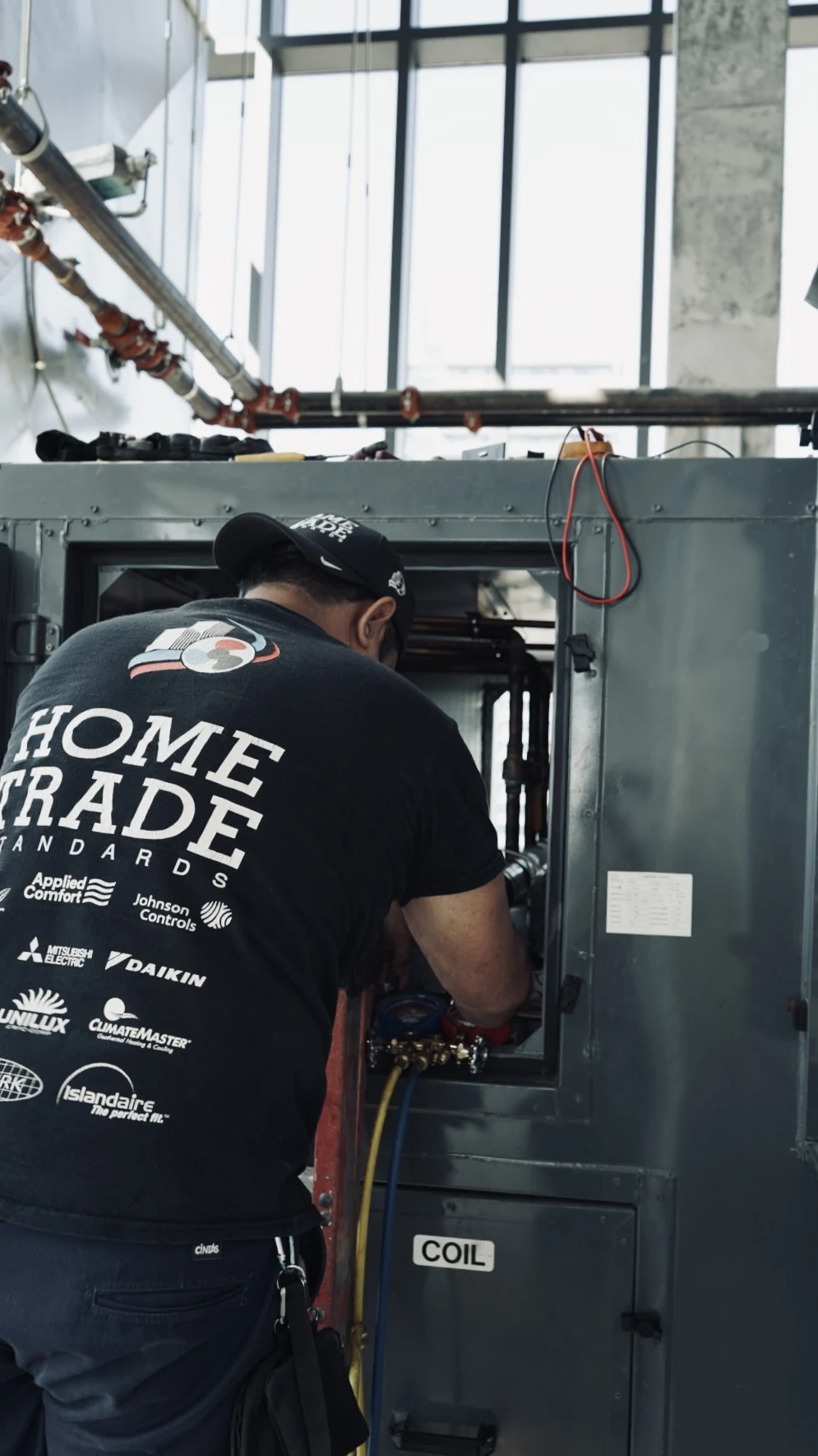
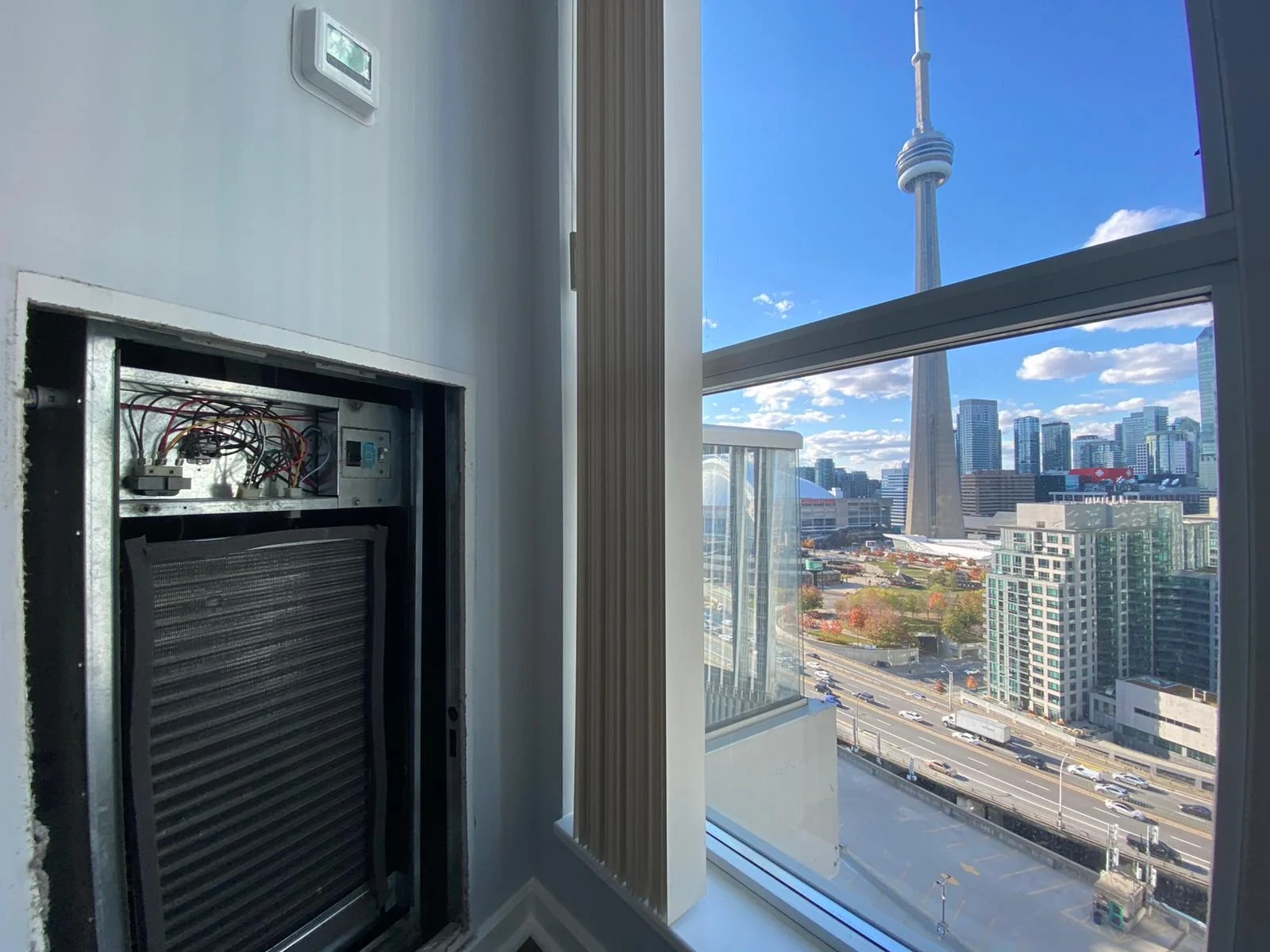
Condo heat pump not heating, not cooling or repeatedly shutting down? HTS provides water-source heat pump diagnosis, repair, maintenance and replacement in Toronto and the GTA, with checks of the unit and the building loop it relies on.
Your in-suite heat pump exchanges heat with the building’s water loop. Its performance depends on the unit, water flow and entering water temperature. We investigate those conditions alongside refrigerant, electrical and control issues so the proposed repair addresses the actual fault.
Condo Heat Pump Services
Arrange diagnosis, maintenance or replacement planning for a water-source condo heat pump and its connection to the building loop.
Troubleshooting & Repair
Diagnose no heat, no cooling, repeated shutdowns, abnormal noise, electrical faults and suspected refrigerant leaks.
Preventative Maintenance
Service filters, air coils and condensate components; inspect accessible connections and check system operation.
Shop Testing & Refurbishment
Where appropriate, remove the chassis for controlled testing, repair or refurbishment at our technical test centre.
Replacement & Retrofit
Assess cabinet dimensions, capacity, electrical requirements, water connections and building access before selecting equipment.
Condo Heat Pump Assessment & Service Planning
Share the model, fault code, symptoms and repair history. We confirm cabinet fit, water connections, controls and access for any replacement, and flag loop-flow or water-quality issues that a new heat pump alone will not resolve.
What Are The Most Common Heat Pump Problems In Condos?
Similar symptoms can arise from different faults. The five groups below help describe what you are experiencing; diagnosis determines whether the cause is within the suite, the building loop or both.
1. No Heat Or Air Conditioning
The heat pump does not turn on, or the unit runs but does not provide proper heating or cooling. This may be caused by thermostat issues, electrical problems, compressor failure, low water flow, or building loop temperature issues.
2. Heat Pump Turns On And Off Continuously
If your condo heat pump short cycles, it may turn on and off repeatedly without properly heating or cooling the suite. Common causes include dirty filters, restricted airflow, thermostat problems, refrigerant issues, or safety lockouts.
3. Thermostat Malfunction
A faulty thermostat may not send a proper call for heating or cooling. In some cases, the thermostat screen may be blank, the temperature reading may be incorrect, or the heat pump may not respond to thermostat settings.
4. Sudden Rattling Or Loud Noise
A noisy condo heat pump may produce rattling, vibration, grinding, buzzing, or loud operating sounds. These noises can be caused by loose panels, blower motor issues, fan problems, worn bearings, or internal component failure.
5. Insufficient Heating Or Cooling
Restricted airflow, dirty coils, a refrigerant fault or inadequate water-side heat transfer can reduce capacity. Check the unit and available building-loop conditions before choosing the repair.
Condo Heat Pump Technical Service Details
Use the details below to review the equipment, diagnostic checks, access needs and work to include in your service request.
Diagnosis considers the chassis, electrical board, thermostat, blower, water hoses and isolation valves. We test the suspected fault and distinguish suite equipment problems from unsuitable building-loop conditions.
Some mechanical repairs require chassis removal and work at the HTS test centre. Confirm removal, testing, repair, reinstallation and any temporary loss of service in the approved scope.
Condo Heat Pump Repair & Maintenance
HTS supports individual suites and coordinated building programs. The assessment identifies the fault, available repair options and any need for chassis removal or shop testing.
Confirm responsibility with management and the condominium documents. Home Trade Standards provides a one-year parts and labour warranty on the work we complete. Separate manufacturer coverage follows the equipment manufacturer’s terms. See the HTS service terms for scope, exclusions and the claim process.
Condo Heat Pump Repair & Replacement · Published 2026 Pricing
Basic Electrical Repairs
$180–$1,200 Plus HST
Electrical fault repairs, with the scope determined by diagnosis.
Refrigerant & Mechanical Repairs
$1,000–$3,500 Plus HST
Leak or mechanical fault repairs after the cause and required work are identified.
Heat Pump Replacement
$3,500–$7,500 Plus HST
Compatible vertical chassis replacement, subject to verified cabinet fit and installation scope.
Horizontal Package Replacement
$9,000–$14,000 Plus HST
Horizontal package heat pump replacement, subject to access, ductwork, connections and approved scope.
These are planning ranges, not fixed quotations. Review the replacement cost guide and included scopes. We assess the fault, equipment condition and installation requirements before recommending the work.
Use published ranges for initial planning and compare the equipment, installation work and exclusions in a current written quotation.
How Much Does A Condo Heat Pump Replacement Cost?
Use the published replacement range above for initial planning. Confirm whether the quote covers a chassis or complete package heat pump, then compare removal, connections, controls, testing, disposal, taxes and warranty. Larger or unusual systems require a separate quotation.
A heat pump chassis replacement replaces the compatible removable refrigeration module while retaining specified cabinet components. A package heat pump replacement replaces the complete specified unit. Confirm what is included rather than treating these as the same scope.
Check capacity, cabinet dimensions, airflow, electrical supply, controls, water and drain connections, service access and building approvals. The published cost guide gives planning ranges; a site-specific quote confirms your installation.
Annual Condo Heat Pump Maintenance
Set the service frequency using the manufacturer’s instructions, operating conditions and building maintenance program. HTS offers basic and comprehensive scopes; the proposal identifies the tasks included.
Filter replacement and accessible air-coil cleaning
Drain-pan cleaning and accessible condensate-drain checks
Fan, motor, thermostat and control observations
Accessible water-hose and connection inspection
Heating or cooling operation, noise and fault observations
Supply and return air-temperature observations and deficiency reporting
A comprehensive scope may add overflow-sensor testing, chassis removal, water-side flushing and reconnection. Isolation, hose condition, access and the manufacturer’s procedure must be checked before that work is agreed.
Air-temperature difference alone does not establish system efficiency or COP. Refrigerant and water-side measurements follow the symptoms and equipment requirements.
Condo Heat Pump Systems
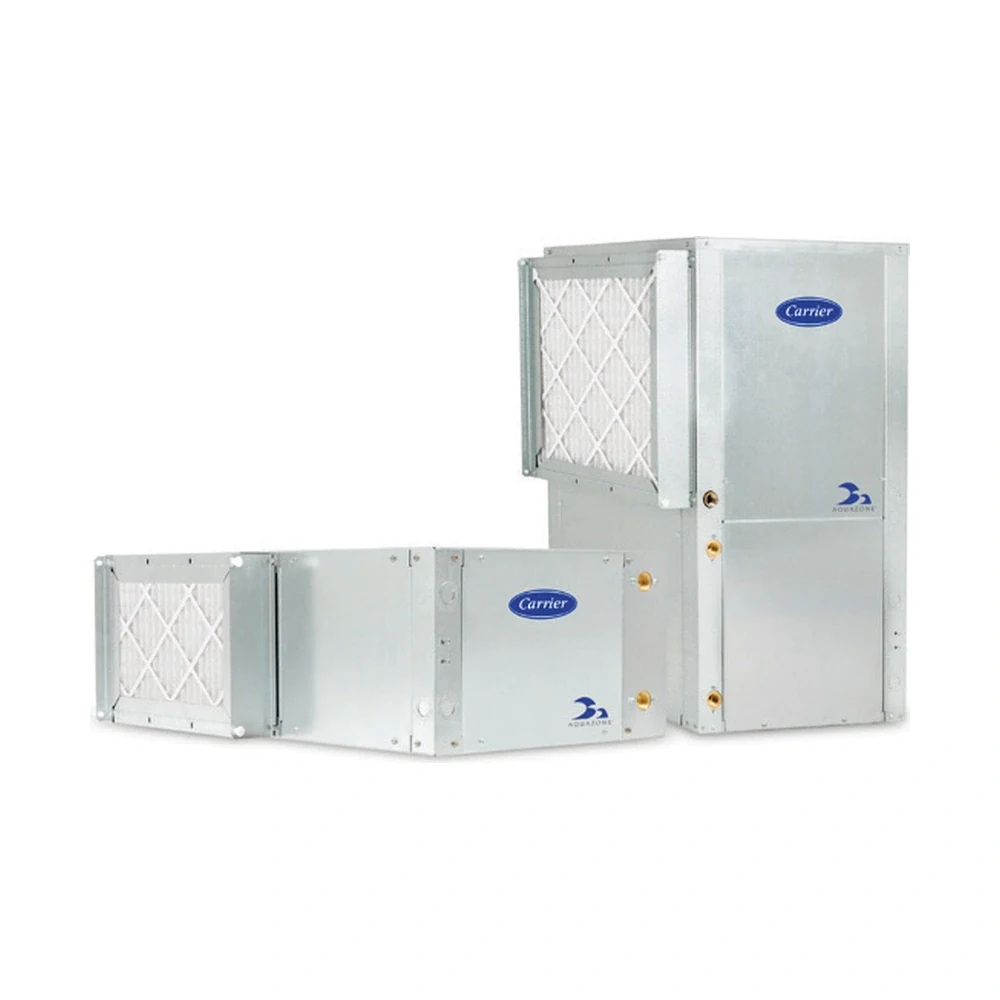
We service vertical and horizontal water-source heat pumps. The work can include inspection and reporting, fault repair, scheduled maintenance, chassis testing, refurbishment or compatible replacement. The model and installed condition determine the appropriate scope.
Condo Water Source Heat Pumps
Water-source heat pumps transfer heat between suite air and a shared water loop through a refrigerant circuit. Capacity, refrigerant, controls and allowable operating conditions vary by model. Use the equipment nameplate and manufacturer documentation when selecting parts or replacement equipment; refrigerants are not interchangeable.
How Condo Heat Pumps Work With The Building System
The shared loop supplies water within each heat pump’s required temperature, flow and water-quality limits. Building pumps, boilers and heat-rejection equipment support those conditions. Restricted flow or unsuitable temperatures can reduce capacity or trigger protective shutdowns.
Central Building Issue
Possible Effect on Your Heat Pump
Low water flow
Unit may trip, lock out, overheat, freeze, or fail to heat/cool properly
Multiple units may lose performance at the same time
Boiler or cooling tower issue
Building loop may not provide the required temperature range
Signs The Problem May Be Building-Related
A shared-system investigation may be needed when:
Several suites report similar symptoms at the same time
Measured water flow or temperature falls outside the model’s limits
Lockouts return after reset or follow a known circulation problem
Noise or air in the water circuit accompanies poor performance
These observations guide investigation; they do not prove that the building is the sole cause.
Why Proper Diagnosis Matters
Check airflow, controls and fault history alongside entering and leaving water temperatures and evidence of flow. Compare measurements with the installed model’s limits and ask whether other suites are affected. This helps avoid replacing parts while the underlying operating problem remains.
Home Trade Standards Can Help
HTS can document the suite findings and identify further building-side checks for management. Share recurring fault reports and relevant maintenance history when requesting an assessment.
Common Refrigerant Leak Locations In Condo Heat Pumps
Potential leak locations include service ports, fittings, brazed joints, air coils, compressor connections and the water-to-refrigerant heat exchanger. Vibration and corrosion can contribute. An internal heat-exchanger failure needs specific assessment because it may connect the refrigerant and water circuits.
Why You Should Not Just Add Refrigerant
A sealed system does not normally consume refrigerant. Repeated top-ups leave the cause unresolved and can expose the compressor to unsuitable operating conditions. Establish the cause of a confirmed low charge and define the repair, leak check and recharge procedure.
Professional Refrigerant Leak Detection For Condo Heat Pumps
If performance has declined, ice appears or refrigerant has been added repeatedly, request heat pump diagnosis. Include the model, refrigerant shown on the nameplate and prior repair records so we can assess repair or replacement options.
How Do You Find A Refrigerant Leak In A Condo Heat Pump?
First rule out airflow, water-side and control faults. If the findings indicate a refrigerant problem, select a manufacturer-compatible detection method and confirm the leak location before proposing repair.
1. System Performance Check
Review the thermostat call, airflow, heating or cooling output, compressor operation, electrical condition, fault codes and water-side performance. These checks determine whether refrigerant testing is warranted.
2. Refrigerant Pressure Testing
Where justified, compare refrigerant pressures and temperatures with the equipment’s operating data. A pressure reading alone does not prove a leak: airflow and water-side faults can also affect it.
3. Electronic Leak Detection
Scan accessible service ports, fittings, brazed joints, coils and compressor connections with a detector suitable for the refrigerant. Confirm indications and evaluate inaccessible components using an appropriate test method.
4. Nitrogen Pressure Test
A qualified technician may recover refrigerant and test the circuit with dry nitrogen using the manufacturer’s specified pressure limits and procedure. Interpret pressure changes with temperature, duration and test connections accounted for; a pressure drop alone does not locate the leak.
5. Bubble Testing
Apply a suitable leak-detection solution to accessible pressurized fittings and joints. Bubble formation can pinpoint a leak at that location.
6. UV Dye Testing
Use dye only when the equipment manufacturer permits the specific additive and procedure. It is an optional method for suitable applications, not a routine addition to every heat pump.
Top 10 Condo Heat Pump Manufacturers We Service
The brands below include equipment found in condo installations. Send the exact model and nameplate photo; parts availability and replacement compatibility are confirmed for that unit.
Qualifications & Industry Memberships
Our Qualifications
View the credentials and industry organizations displayed for Home Trade Standards.
HRAIHeating, Refrigeration & Air Conditioning Institute Of Canada
CCI Toronto & AreaCanadian Condominium Institute
ACMO Associate MemberAssociate Membership
Understand Your Equipment
Water-Source Heat Pump: How It Works
A water-source heat pump moves heat between suite air and a shared building water loop. A geothermal connection is a different application.
SDRAir InAir Out
CoolerWarmerCondensate
S: Water Supply · D: Drain · R: Water Return Light Drain Flow In Cooling Only · Schematic Paths
Hover over a number, use your keyboard, or tap a component.
Component 01
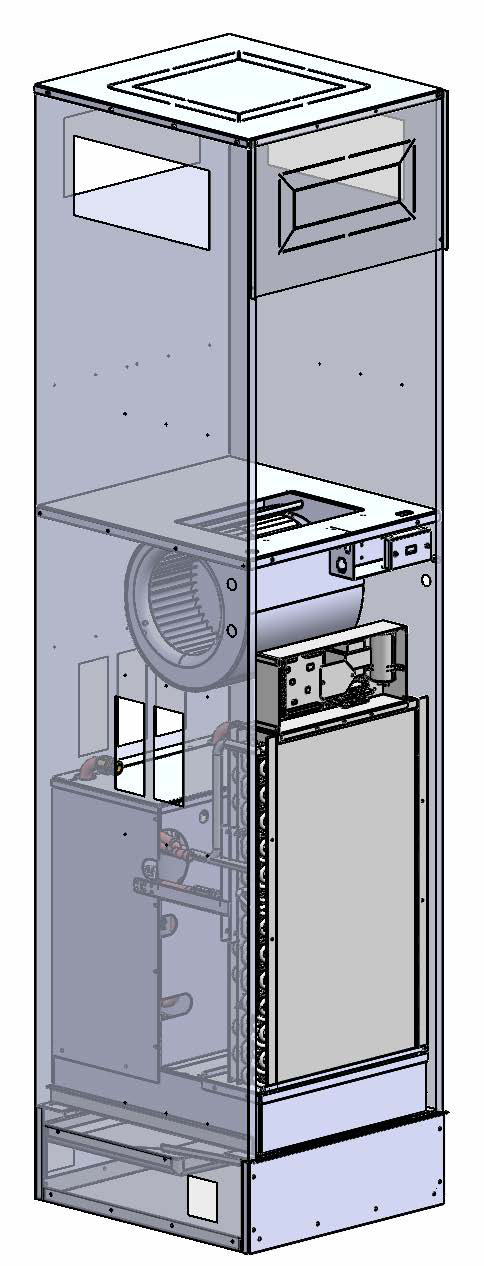
Supply Air Opening
Conditioned air leaves through the upper supply opening, which connects to a grille or duct.
Component 02
Blower And ECM Motor
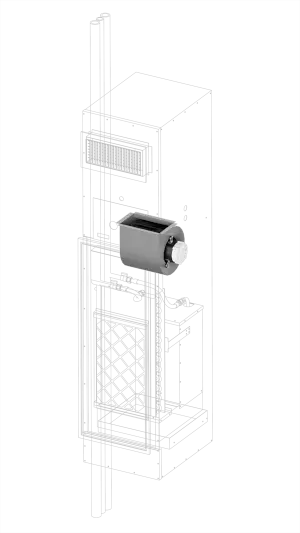
The centrifugal blower moves air from the lower return area toward the upper supply plenum.
Component 03
Control Board
The controller coordinates operation and monitors protective inputs, including the overflow sensor.
Component 04
Refrigeration Chassis
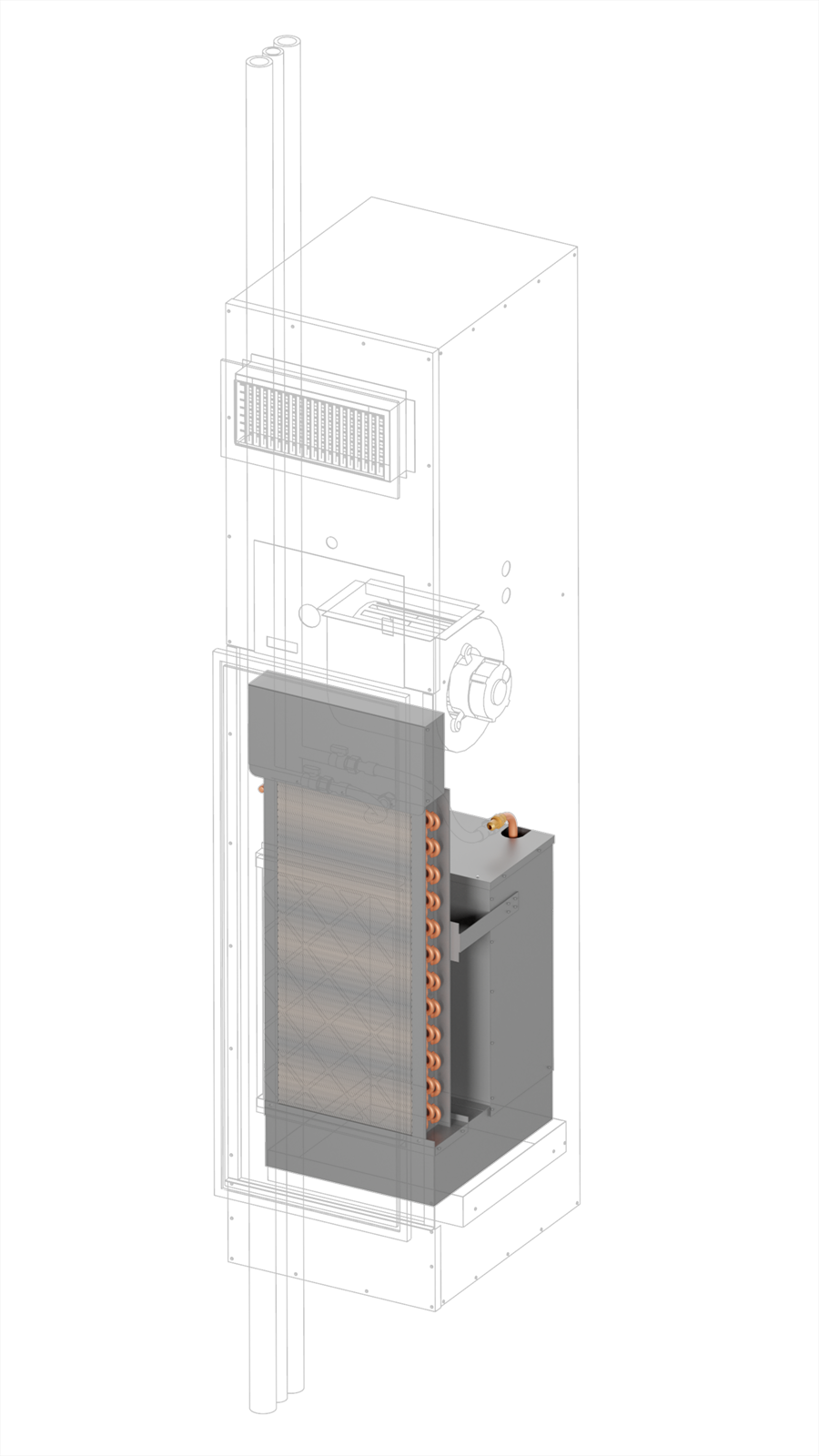
The removable module contains the compressor, water-to-refrigerant heat exchanger, valves and DX air coil.
Component 05
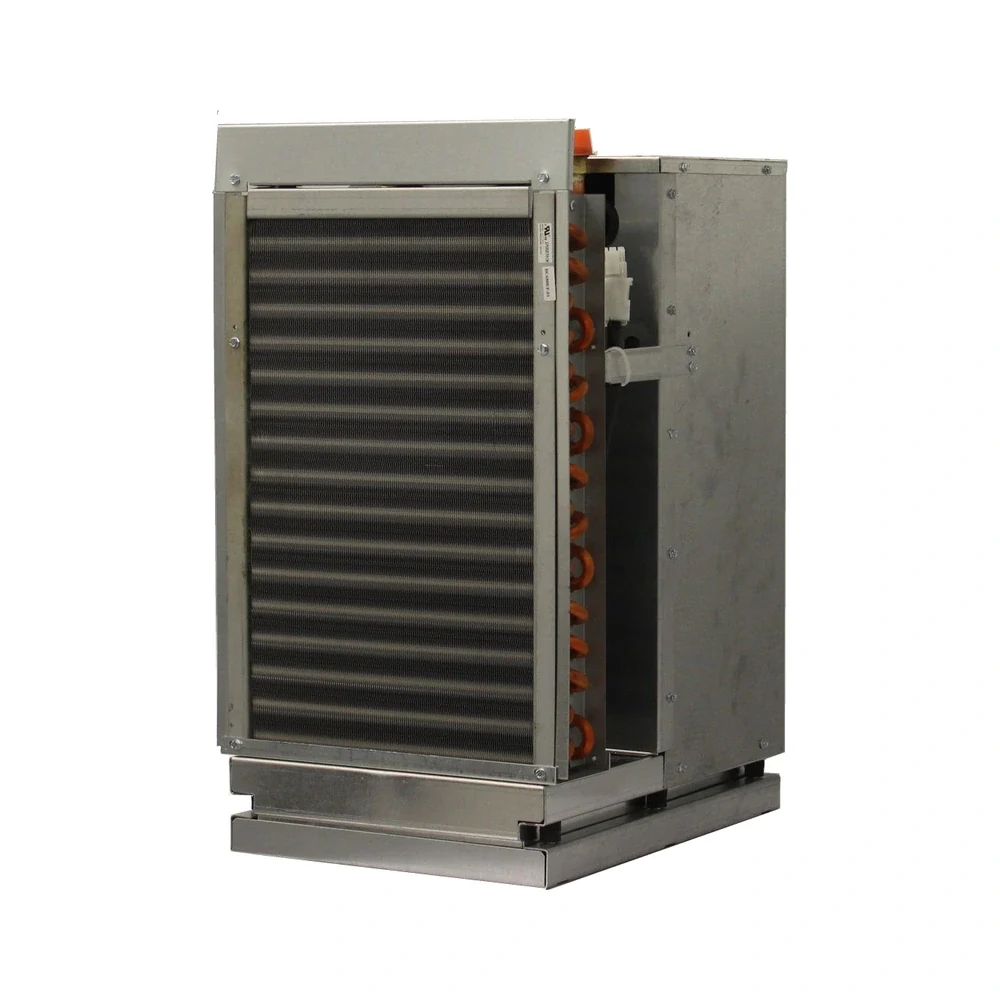
DX Air Coil
This coil transfers heat between room air and refrigerant. It cools air in cooling mode and warms it in heating mode.
Component 06
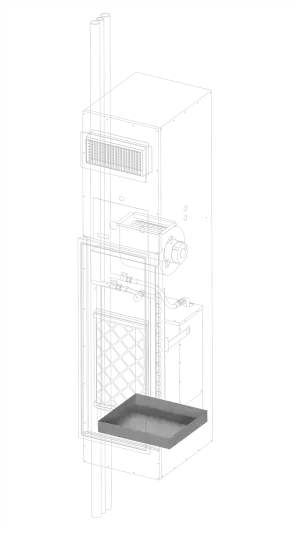
Drain Pan
The pan catches condensate; an overflow sensor can stop operation when water rises too high.
Component 07
Cabinet And Supply Plenum
The insulated cabinet contains the operating components and directs discharge air toward the selected supply openings.
Component 08
Condensate Drain Riser
A separate gravity drain carries moisture from the drain pan through a trapped connection into the building condensate stack. The light teal-blue flow represents condensate produced during cooling; it is not part of the circulating supply and return water loop.
During Cooling
The refrigeration system transfers heat from suite air to the building water loop. Moisture that condenses on the air coil drains from the pan through the trap into the drain riser.
Illustrative Water-Source Heat Pump Configuration. Components and controls vary by installation. Air and water paths and fan rotation are schematic overlays; pipe routing and riser direction depend on the installation. Condensate volume depends on humidity and operating conditions.
Hands-On Equipment Knowledge
Hands-On Condo Heat Pump Diagnosis
Condo heat pumps connect individual suites to shared building systems. An assessment considers the equipment, its controls and operating conditions before repair or replacement is recommended.
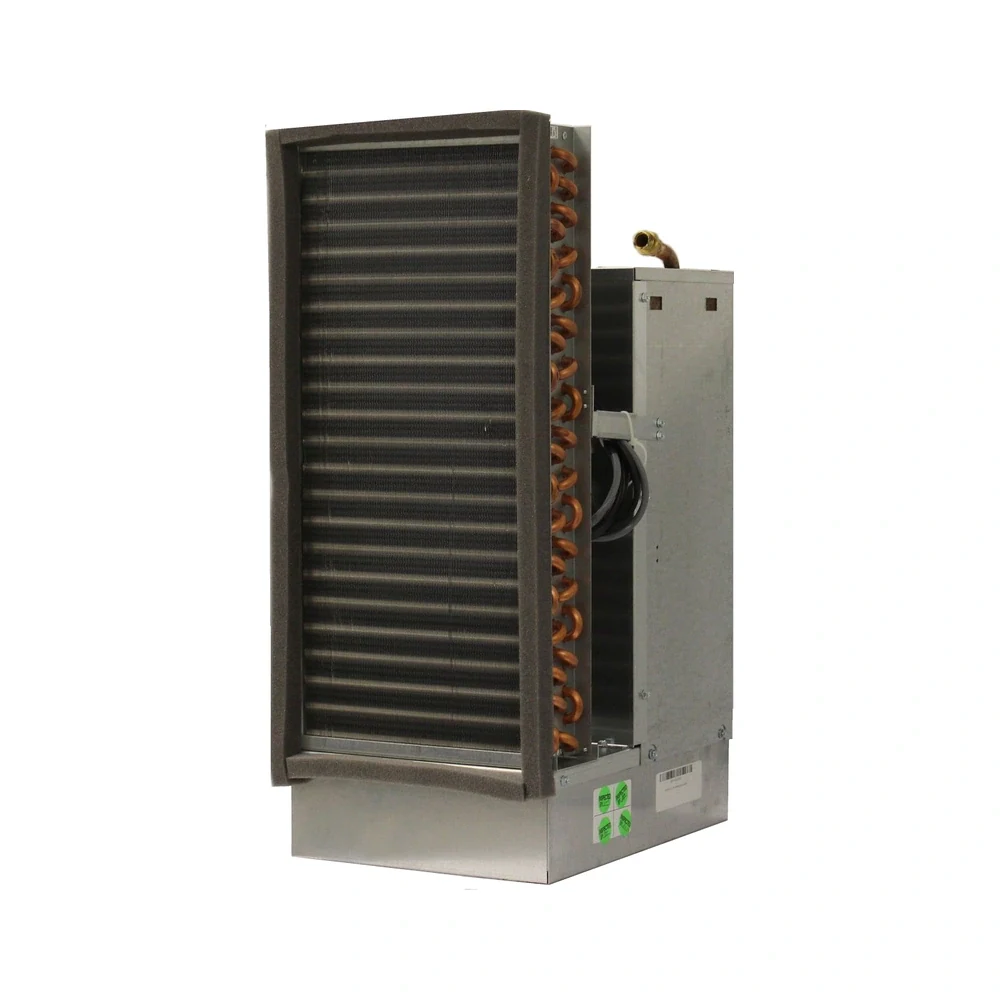
A replacement heat pump chassis designed for Whalen VI installations. Existing connections, cabinet dimensions and electrical pin configuration must be checked against the proposed chassis.
Explore the questions below. Select a question to open its full answer, or keep several answers open to compare.
Can A Building Issue Cause My Heat Pump To Stop?
Yes. Water-flow restrictions, unsuitable loop temperatures or building pump problems can limit performance or trigger protective shutdowns. Suite and building conditions need to be considered together.
Should I Repair Or Replace My Heat Pump?
The decision depends on the fault, equipment condition, repair history, parts availability and the installed replacement cost. An assessment gives you comparable options.
What Is The Average Condo Heat Pump Repair Costs In 2026?
Published planning ranges are $180–$1,200 plus HST for basic electrical faults and $1,000–$3,500 plus HST for refrigerant or mechanical repairs. The diagnosis determines the actual scope. See repair and replacement costs.
How Much Does It Cost To Install Or Replace A Heat Pump In A Condo? (2026 Update)
The published planning ranges are $3,500–$7,500 plus HST for a compatible vertical chassis replacement and $9,000–$14,000 plus HST for a horizontal package heat pump replacement. Confirm the model, connection changes, access work and controls included in your quote.
What Caused My Heat Pump Compressor To Fail?
Possible causes include electrical faults, refrigerant loss, restricted airflow, unsuitable water flow or temperature, contamination and mechanical wear. Inspect the cause before installing a compressor or replacement chassis so an unresolved system problem is not carried into the new equipment.
How Can You Tell If Your Heat Pump Is Leaking Refrigerant?
Poor heating or cooling, icing and recurring shutdowns can be clues, but they can also have other causes. A qualified technician checks operating conditions and uses appropriate leak-detection methods; symptoms alone do not confirm a refrigerant leak.
Why Is My Heat Pump Leaking Water From The Cabinet?
Possible sources include a blocked local drain, shared condensate-stack backup, damaged pan, melting ice, failed condensate pump, or leaking water hose or pipe. Identify the source before choosing a repair. See heat pump water leaks and overflow protection.
Common Causes Of Heat Pump Water Leaks
Water around a heat pump can have several sources. The table explains common possibilities that need to be distinguished during an inspection.
Cause
What Happens
Clogged drain pan
Water collects and overflows from the cabinet.
Blocked condensate drain line
Water cannot drain properly and backs up into the unit.
Dirty filter or coil
Reduced airflow can cause condensation or freezing issues.
Cracked drain pan
Water escapes even if the drain is clear.
Disconnected drain tubing
Condensate water leaks inside the cabinet or onto the floor.
Improper unit slope
Water does not flow toward the drain opening properly.
Frozen coil
Ice melts and can overwhelm the drain pan.
Why Annual Maintenance Matters
Filter, air-coil, pan and accessible drain care can reduce avoidable drainage faults. Check overflow protection where installed. Repeated leaks may need investigation of shared drainage or water connections beyond routine suite maintenance.
What Should You Do If Your Heat Pump Is Leaking?
Stop the unit using normal controls if safe, keep clear of wet electrical components and notify property management. Record the location and timing of the leak and arrange an inspection. Turning the unit off may reduce new condensate, but it will not stop a pressurized-water leak or a shared-drain backup.
Condo Heat Pump Leak Repair In Toronto & GTA
HTS investigates the accessible pan, drainage, overflow protection, hoses and operating condition. Shared or concealed sources require coordinated building follow-up. The findings determine the cleaning, repair or replacement scope.
Can My Heat Pump Fail Due To Condo Central HVAC Issue?
Yes. Inadequate loop flow, unsuitable water temperature or other shared-system faults can affect a working heat pump. Check signs of a building-side issue and coordinate findings with management.
Can A Refrigerant Leak Be Repaired?
An accessible fitting or joint may be repairable; a failed coil or internal heat exchanger may require component or chassis replacement. Compare access, parts availability, refrigerant, the remaining equipment condition and total cost. A repair to one leak does not renew the rest of an aging circuit.
Does Home Trade Standards Offer Condo Heat Pump Repair Or Annual Maintenance?
Yes. Owners can request individual service, and property managers can arrange a defined building program. Check what your existing maintenance agreement includes before booking separate work.
What Do We Do During Annual Condo Heat Pump Maintenance?
A visit follows the agreed heat pump maintenance scope: inspect accessible components, service the filter and air coil, check drainage and operating condition, and record deficiencies. Chassis removal, flushing and repairs are included only when specified.
When Is The Right Time To Replace Your Condo Heat Pump?
Consider replacement when major faults recur, suitable parts are unavailable or a compressor or coil repair approaches the cost of a compatible replacement. Compare the condition of the remaining components, repair history, warranty and installed scope. A major failure does not automatically mean every cabinet component must be replaced.
Do You Handle OMEGA & Whalen Heat Pump Replacement & Installations In Condos?
Yes. We assess Omega and Whalen installations for service or compatible replacement. Confirm the series, capacity, cabinet, electrical supply, controls and connection locations before selecting a chassis or complete unit.
What Is The Best Heat Pump System For My Condo?
The suitable system is the one that matches the building design and installed requirements. Check capacity, orientation, cabinet fit, water and drain connections, electrical supply, controls and service access. Manufacturer selection follows those checks, not a universal brand ranking.
What Is The Best Condo Heat Pump System For My Condo?
Start with a replacement compatibility assessment. The right option must match the cabinet, capacity, connections, controls and building requirements.
Does Your Company Offer Competitive Rates For Building Wide Heat Pump Replacement Projects?
Yes. Request a building assessment with quantities, equipment types and recurring concerns. A proposal can define model compatibility, pilot installations, access, phased scheduling, connection work, commissioning and warranty. Pricing follows the verified scope rather than the building’s age alone.
Do You Offer Shop Testing?
Yes. HTS has a technical support and test centre for condo heat pumps. Removal, testing, repair and reinstallation requirements are confirmed for the specific unit.
What Toronto Condo Heat Pump Services Are You Certified To Do?
Our service scope includes inspection, diagnosis, maintenance, repair, refurbishment and compatible replacement. See our qualifications and contact HTS with the model and proposed work so the appropriate technician and scope can be confirmed.
How Long Is The Heat Pump Warranty In Condominiums?
Home Trade Standards provides a one-year parts and labour warranty on the work we complete. Additional manufacturer parts or compressor coverage varies by brand, model, registration and installation terms; the quotation identifies the coverage for your selected equipment.
What Makes Condo Heat Pumps Different From Fan Coil Systems?
A water-source heat pump has a compressor and refrigerant circuit and can normally respond to a heating or cooling call while its shared loop is within operating limits. A fan coil uses building-supplied hot or chilled water; two-pipe systems typically follow seasonal changeover. Four-pipe and auxiliary-heat configurations differ. See fan coil service if that is the system installed in your suite.
How Does A Heat Pump System Work In Condos?
An electrically powered compressor circulates refrigerant between an air coil and a water-to-refrigerant heat exchanger. In cooling, heat moves from the suite into the water loop; in heating, it moves from the loop into the suite. The reversing valve changes the cycle. See the heat pump diagram.
Do Condo Heat Pumps Use Electricity Or Natural Gas?
A water-source heat pump uses electricity for its compressor, fan and controls. The shared building plant may use other energy sources to maintain the loop; that is separate from the in-suite unit.
What Are The Major Components In A Condo Heat Pump System?
The main assemblies include the refrigeration chassis, air coil, blower and motor, control board, thermostat, water connections and condensate drainage. The equipment diagram explains their roles.
What Does A Reversing Valve Do In A Condo Heat Pump System?
It changes refrigerant flow to switch between heating and cooling. A valve, solenoid or control fault can prevent that change. Diagnosis must distinguish the valve itself from the electrical command and other operating faults.
Can A Central HVAC Problem Damage My Heat Pump?
Unsuitable loop conditions can stress components or trigger protective shutdowns. Investigate repeated lockouts rather than repeatedly resetting the unit. Identify and correct the operating problem before returning equipment to service.
No Matching Questions
Try another word or clear the filters to see all answers.
Home Trade Standards · Condo HVAC Specialists
Need Help With Your HVAC System?
Send the equipment model, fault indicator and a description of when the problem occurs. We assess the heat pump and relevant building-loop conditions before recommending a repair, shop test or replacement. Include previous service findings if the fault keeps returning.