Book Service

Find Your Next Step.

Popular places to start

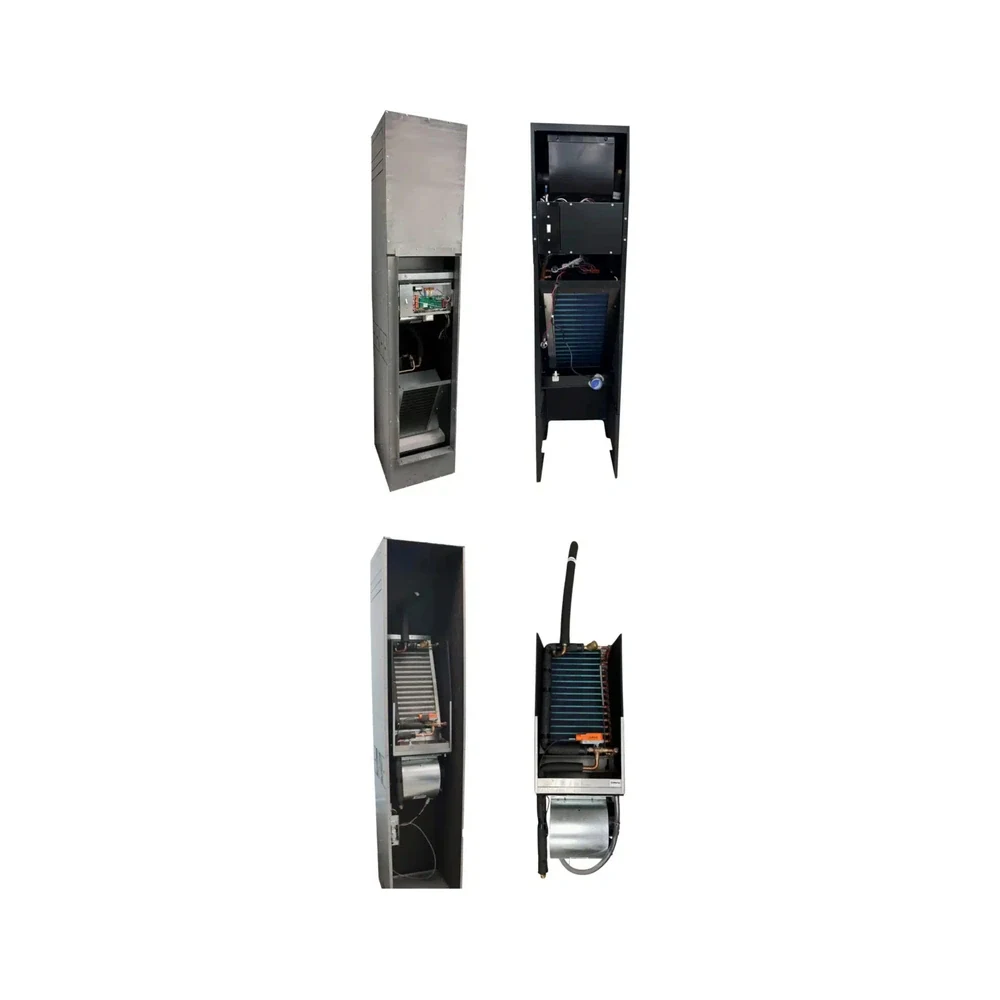
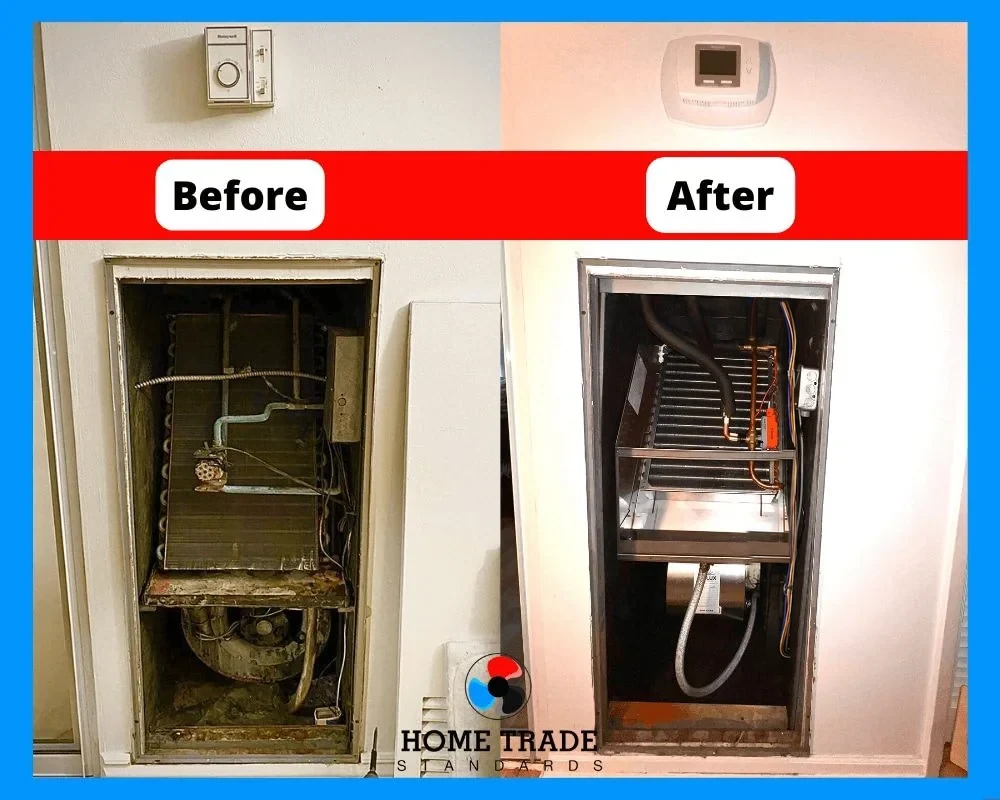
Before and after a Toronto condo fan coil retrofit by Home Trade Standards

Condo Fan Coil Retrofit & Replacement In Toronto & GTA

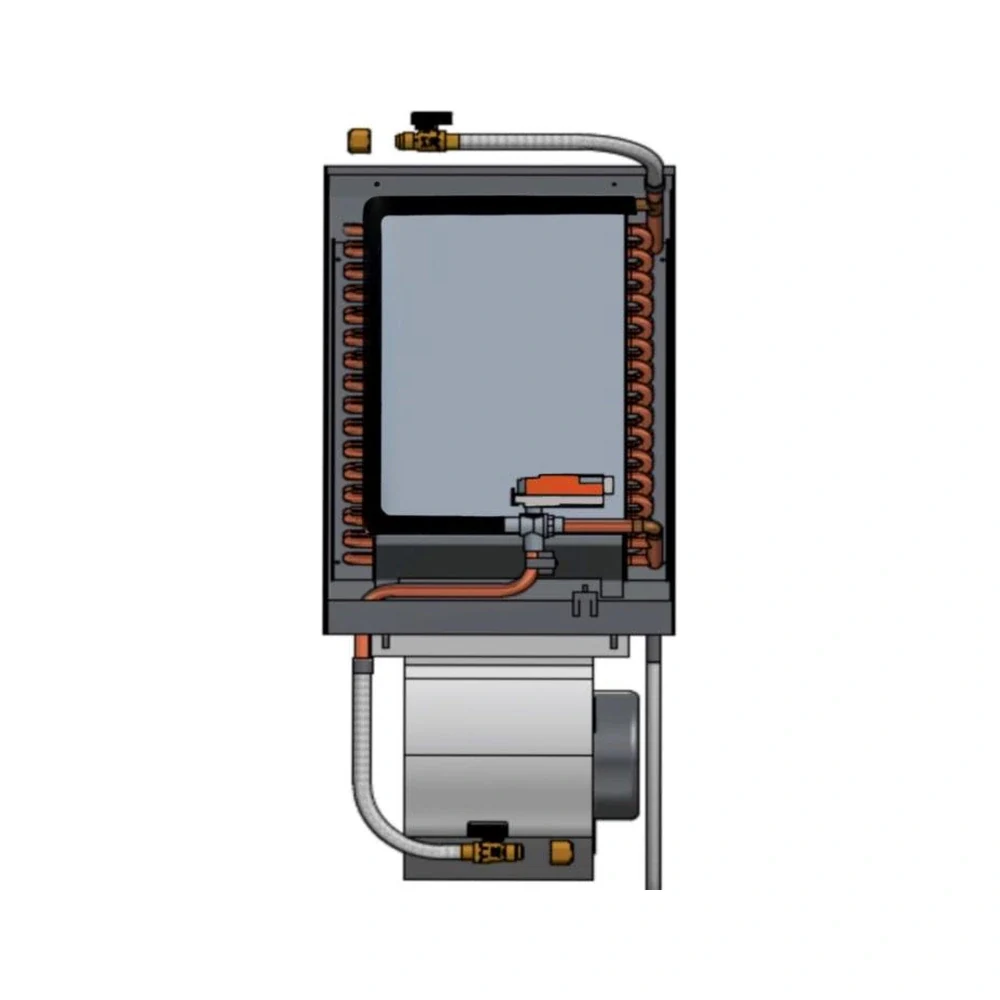
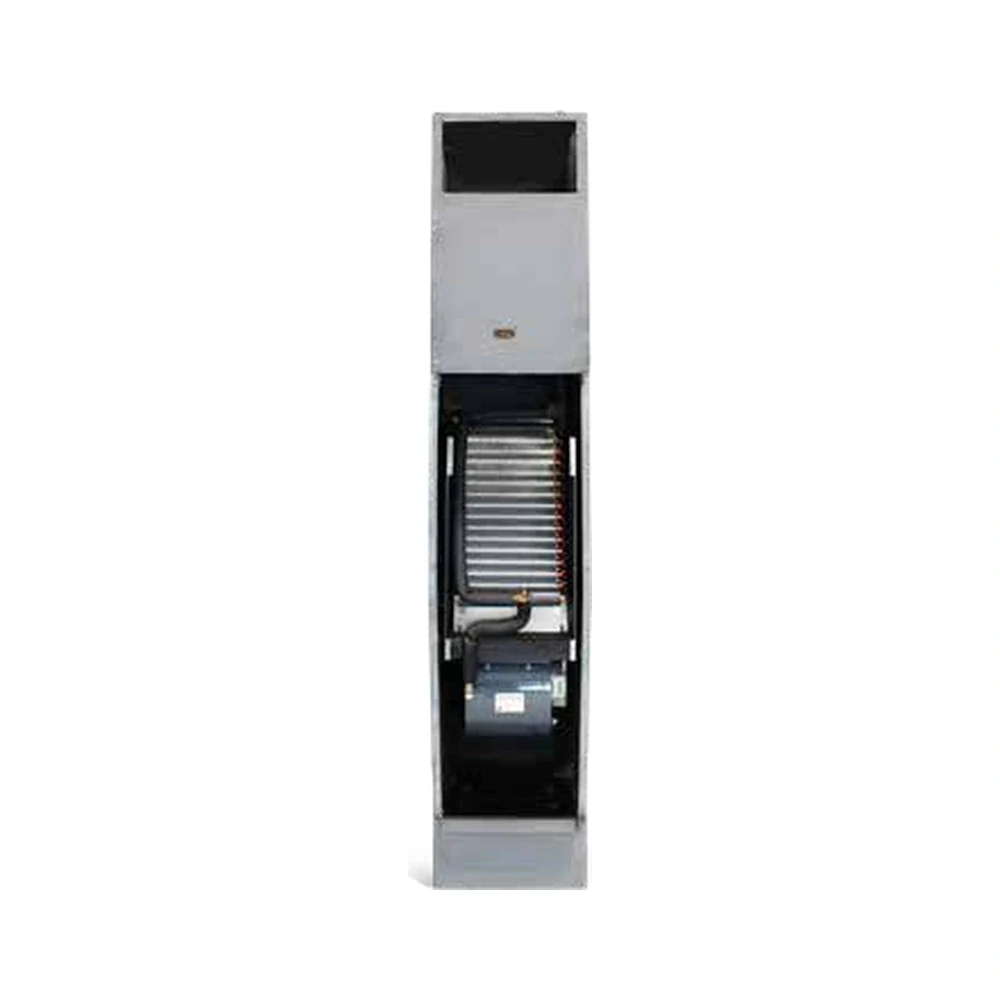
A condo fan coil retrofit replaces the working parts inside an existing metal cabinet. A fitted replacement assembly, often called a chassis, can include the water coil, blower motor and drain pan. We check which valves, controls and insulation also need replacement. If the cabinet is damaged or the new assembly cannot fit through the opening, a full cabinet replacement may be needed.

Before ordering, HTS measures the cabinet and checks the drain, piping and electrical supply. A two-pipe fan coil shares one water circuit for seasonal heating and cooling. A four-pipe unit has separate hot- and chilled-water circuits. That difference affects the coil, valves and thermostat we specify.

Condo Fan Coil Retrofit Before & After

The original blower is visible at the bottom of the left cabinet. On the right, the replacement coil and drain pan fit inside the existing wall opening. The thermostats above show the control change made on this project.

See the fan coil retrofit project

Before and after an HTS condo fan coil retrofit. The original blower and coil are on the left and the replacement assembly and thermostat are on the right.
Wiring detail retouched in the after photo.

How Much Does A Condo Fan Coil Retrofit Cost In Toronto & GTA?

For budgeting, HTS uses $3,000–$4,500 per fan coil plus HST. A straightforward installation in one suite typically takes about four to eight hours on site. We confirm equipment availability, building access and any water shutdown before setting the installation date.

Vertical fan coil in a wall or closet. We measure the service opening to see whether the old assembly can come out through the grille. Built-in shelving or a narrow opening can add removal and finishing work.

Horizontal fan coil above a ceiling. We check whether the access panel gives the crew room to lower the assembly and reach the pipes and drain. If the ceiling needs to be opened, the quote should say who will close and finish it.

What Happens During Fan Coil Installation?
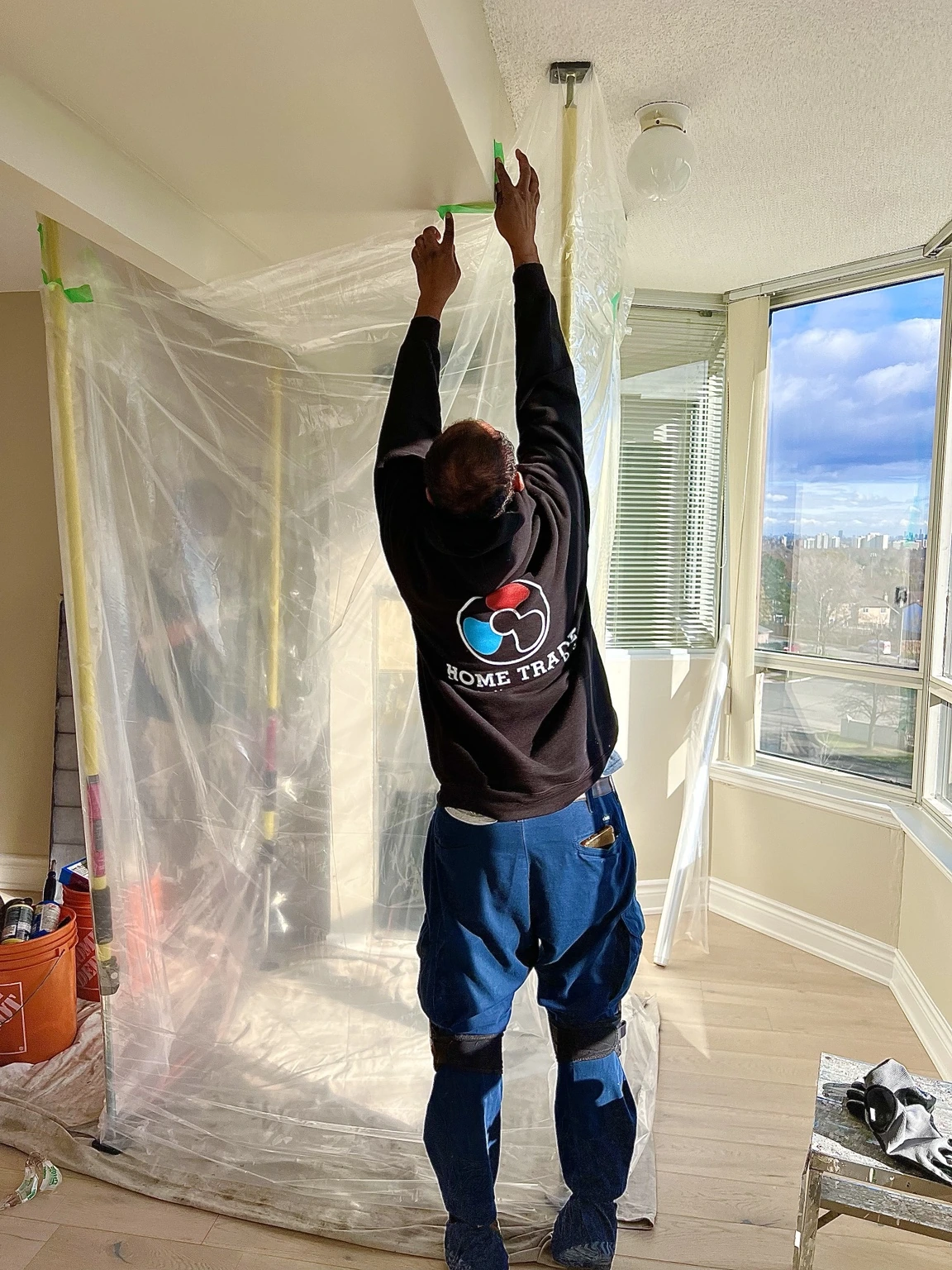

HTS technician setting up a containment enclosure for a Toronto condo fan coil retrofit.

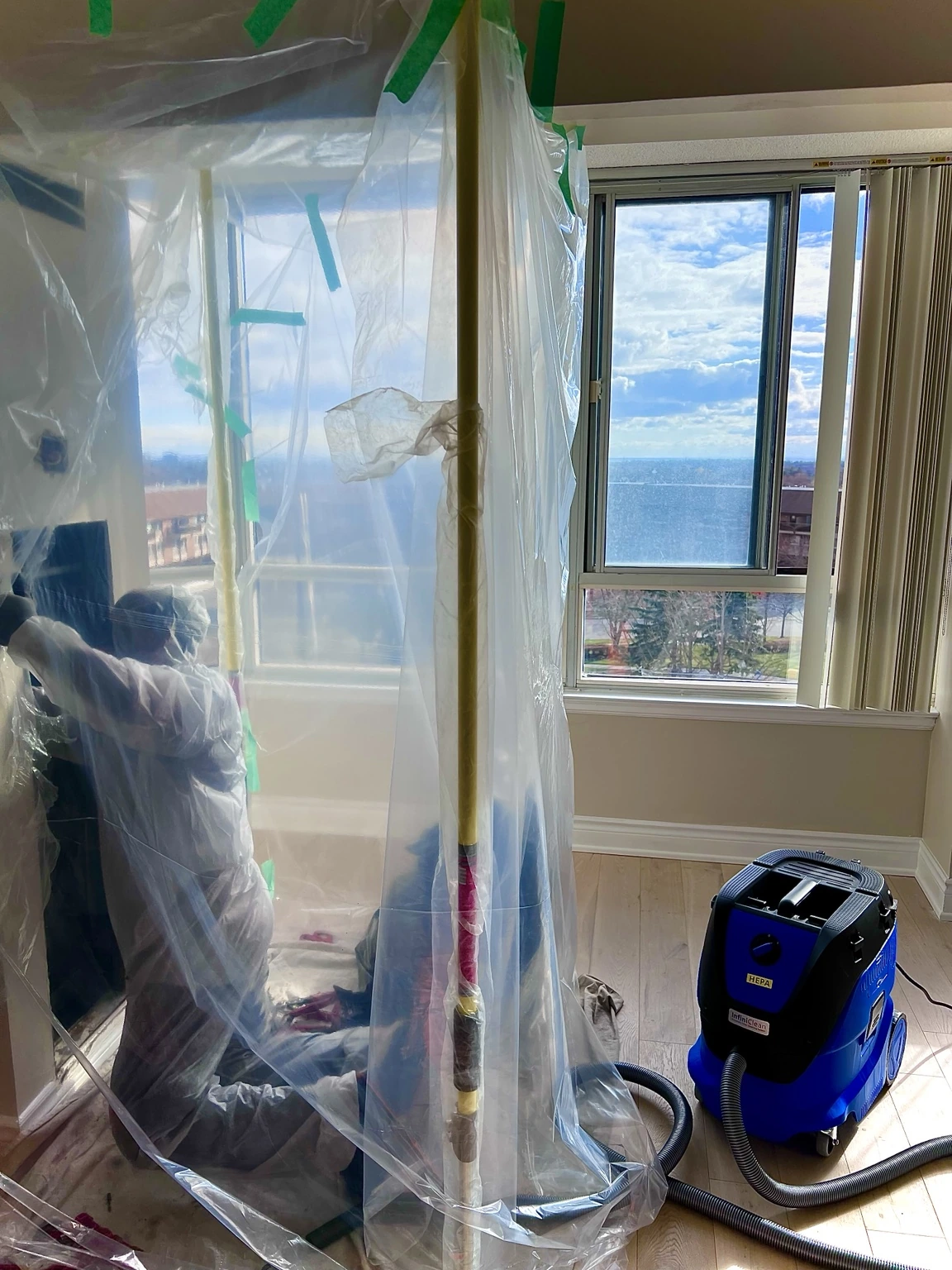
The crew protects the suite and sets up containment for the work shown here, including removing old insulation. After isolating power and water, we remove the old coil and blower, inspect the cabinet and install the agreed liner and replacement assembly.

We reconnect the piping and controls, check the connections for leaks, test drainage, and run the fan and control valve. If the old liner was wet, we identify where the moisture came from so it can be addressed. See how an HTS retrofit looks before and after installation.

Does The Building Need A Riser Shutdown?

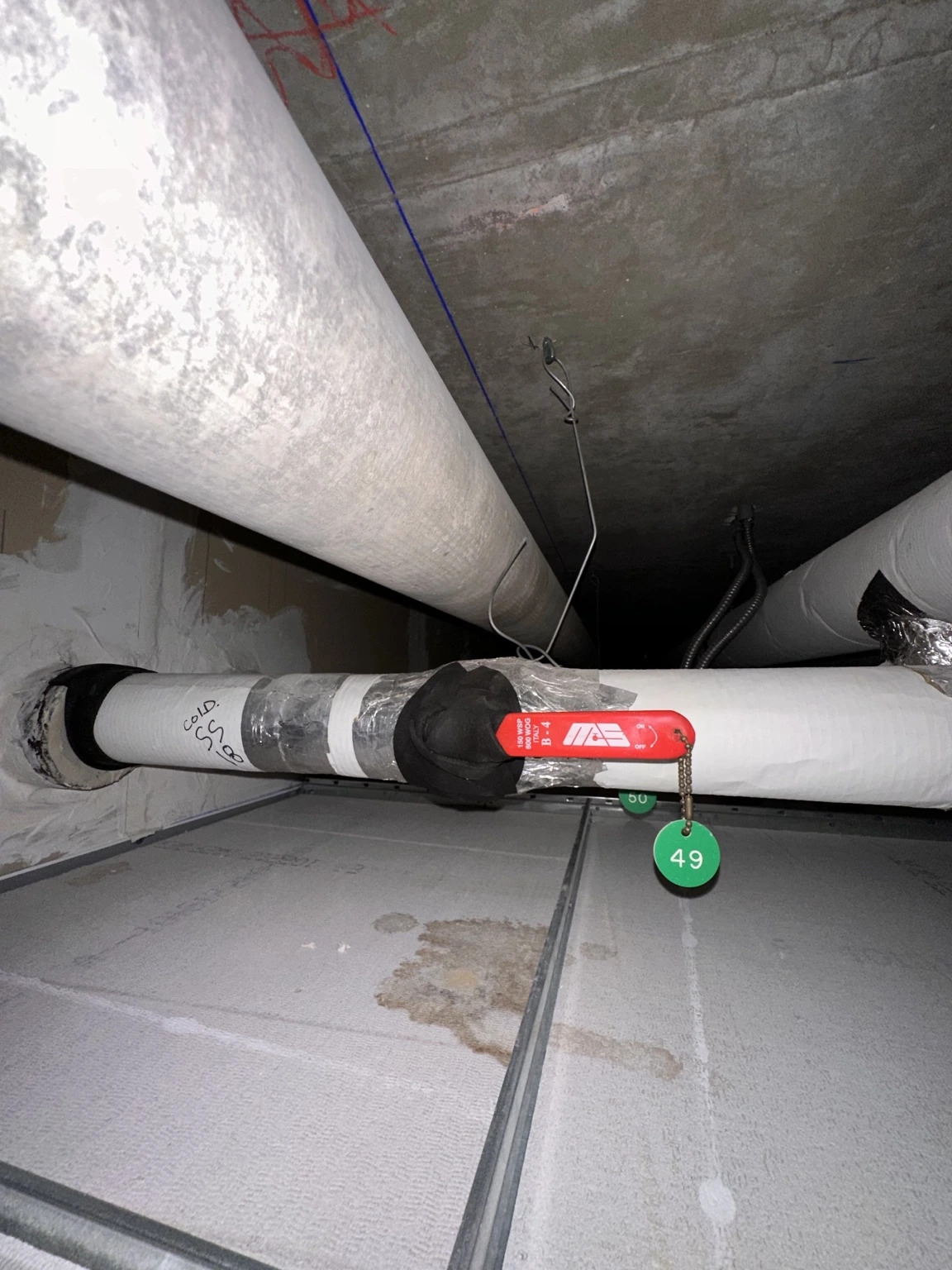
Tagged isolation valve in insulated building piping for a fan coil replacement.

Working local isolation valves may allow one suite to be disconnected. If a valve leaks through or is inaccessible, management may need to schedule a riser shutdown. A tagged building valve like the one shown helps the operator identify the affected branch.

Before setting an installation date, agree who isolates, drains and refills the piping, who notifies residents and who checks the system after restart. Read our fan coil isolation valve guide.

Qualifications & Industry Memberships

Our Qualifications

Meet Home Trade Standards
TSSATechnical Standards & Safety Authority
Skilled Trades OntarioOntario Skilled Trades
WSIBWorkplace Safety & Insurance
HRAIHeating, Refrigeration & Air Conditioning Institute Of Canada
CCI Toronto & AreaCanadian Condominium Institute
ACMO Associate MemberAssociate Membership

What To Expect From The HTS Team When You Request A Fan Coil Retrofit For Your Condo

  • For your suite. We review the model and repair history, measure the cabinet and check the grille, piping, drain and controls. We flag tight access or millwork that could affect the installation.
  • For your building. We review the different suite layouts with management and agree on a sequence for access, valve isolation and resident notices.
  • In your written proposal. We name the proposed chassis and list the motor, pan material, liner, valves and thermostat included. We identify any optional overflow sensor, plus who handles surface protection, shutdowns, finish repairs, disposal and start-up tests. Your quote sets out the price and warranty.

If the issue is recent and the cabinet is sound, start with condo fan coil repair and maintenance to identify which component has failed.

Explore Compatible Options

Related Fan Coil Systems

Explore Fan Coil equipment and control options, then confirm the model and installation requirements for your system.

Browse The Catalogue

Frequently Asked Questions

Fan Coil Retrofit & Replacement FAQs

Which Parts Can Stay In A Fan Coil Retrofit?

The cabinet and some connections may remain if their condition and dimensions suit the selected equipment. The proposal should specify the coil, blower, drain pan, liner, valves, thermostat and any accessories individually. A damaged cabinet or inaccessible drain may require a different installation.

How Long Does A Fan Coil Retrofit Take?

HTS typically allows about four to eight hours for a straightforward retrofit in one suite. Restricted access, valves that do not isolate, repairs to finishes or a scheduled building shutdown can change both the time on site and the date the unit returns to service.

How Is The Suite Protected During Removal?

The crew protects nearby finishes and sets up containment appropriate to the removal scope. When the work includes deteriorated insulation, the proposal should identify removal, cleaning, new liner and how the moisture source will be addressed.

Technician wearing protective equipment inside the fan coil work enclosure beside a HEPA vacuum.

Does A Retrofit Always Avoid Drywall Work?

No. Access depends on the cabinet, piping arrangement and surrounding finishes. Required access openings and restoration should be defined in the proposal.

How Much Does A Fan Coil Replacement Cost?

HTS’s planning range is $3,000–$4,500 per fan coil plus HST. Cabinet access, valve replacement, controls, finish repairs and any building shutdown affect the installed price. For a building program, we price the suite count and layout variations in the written proposal.

Can You Coordinate An Entire Building?

Yes. HTS can survey representative suites and plan a pilot installation with the property manager. The pilot helps the board check cabinet fit, access, time in each suite and what needs restoring. We can then group suites by layout or riser and plan resident notices, shutdowns and pricing for the agreed quantity.

Who Pays For A Fan Coil Retrofit In A Condo?

Responsibility depends on your condo declaration and where the unit boundaries fall. Ask management to confirm in writing who pays for the in-suite equipment, who authorizes work on shared risers, and whether an owner-participation program is available. A building can coordinate the work even when owners pay for their own suites. See the Condominium Authority of Ontario’s guide to the declaration.

What Does Property Management Need Before Installation?

Ask management for the building’s alteration package and approved work hours. We can provide the proposed scope and confirm which contractor documents management needs, such as proof of insurance or WSIB clearance. Confirm elevator access, any riser booking or fee, and who arranges resident notices. If the electrical scope requires an ESA notification, the quote should identify who files it. See ESA guidance for property owners and managers.

When Is The Best Time To Schedule A Fan Coil Retrofit?

If you can choose the date, mild spring or fall weather can make a few hours without heating or cooling easier. In a two-pipe building, ask management whether a planned shutdown can cover the work. Seasonal changeover alone does not mean the riser is drained. We can test fan speeds and controls during installation. Testing heating or cooling performance needs the building to supply water in that mode.

Which Fan Coil Retrofit Brands Fit My Condo?

HTS compares Unilux CRFC, Climetec and Aurum against the existing cabinet. Unilux CRFC is designed for a retained cabinet. Climetec offers chassis and complete-unit configurations. Aurum’s DTR and BTR families suit different airflow arrangements. We check the opening, airflow direction, two-pipe or four-pipe connections and controls against the selected model. See the three-brand retrofit comparison.

Can I Add An Ecobee Or Another Smart Thermostat During The Retrofit?

Often, yes. For ecobee, we check for compatible 24 V controls, support for the fan speeds you want, and the correct valve operation. A two-pipe system can also need a changeover signal or pipe sensor. If the old thermostat runs on line voltage, we review the control options before you buy a thermostat. See the HTS ecobee compatibility guide.

Will An ECM Motor Make My Fan Coil Quieter Or Use Less Electricity?

A properly selected electronically commutated motor (ECM) can use less fan electricity than an older fixed-speed motor, especially at lower speeds. Replacing a worn blower can reduce vibration and rattling. Whistling at a restrictive grille or noise from the building piping can persist. We check the airflow and fan speeds your suite needs before estimating a benefit.

How Should I Maintain My Fan Coil After A Retrofit?

Use the filter size and rating specified for the new assembly. Keep the grille and access panel clear, and check the filter between service visits. At annual service we can inspect the blower, coil, drain pan and valves and test drainage before cooling season. Keep the model number and service records with your warranty. See fan coil maintenance for condos.

What Warranty Comes With An HTS Fan Coil Retrofit?

HTS covers the parts we supply and the labour we perform on the completed work for one year. The manufacturer’s equipment warranty is separate and depends on the selected model and its terms. Keep your written proposal, invoice and equipment details in case you need service. See the HTS warranty terms.

Our Industry Network

Industry associations, public programs and resources for the communities we serve.

Request A Suite Retrofit Assessment

We review the existing cabinet, model and repair history with you, then explain which parts can stay and what the suite work involves.

Request A Suite Assessment

Request A Building Retrofit Proposal

We review suite layouts, equipment counts and access with management, then outline the work, phasing and resident coordination in the proposal.

Request A Building Proposal
Branded Home Trade Standards service van outside the HTS office.